7 Best Items to Sell in Minecraft Player Chest Shops in 2026
Filed under Minecraft Economy & Trading · How we create content
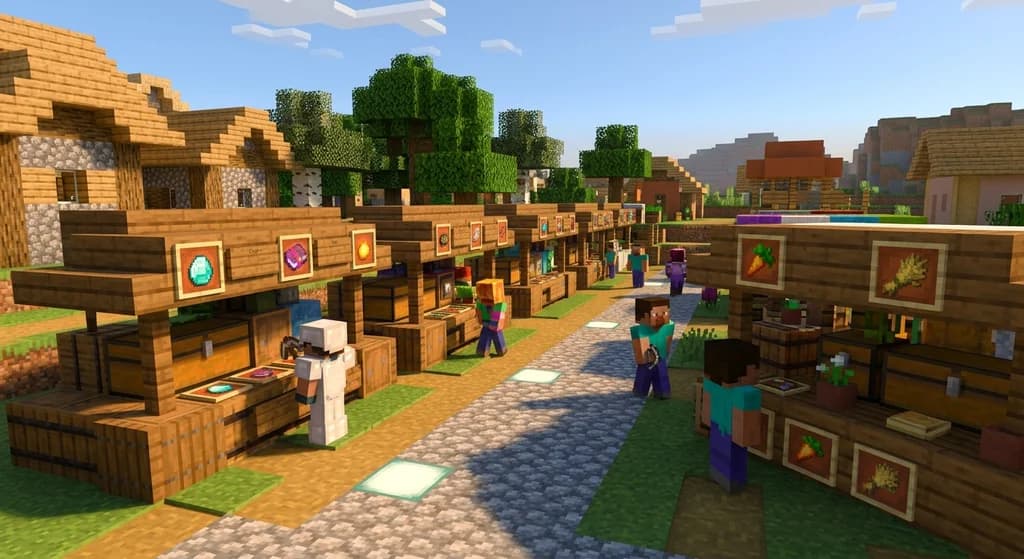
Key Takeaways
| Point | Details |
|---|---|
| Diamonds dominate | Diamonds and diamond gear remain the highest-demand currency items on nearly every SMP economy server. |
| Enchanted books print money | Mending and Protection IV books sell fast because most players skip the XP grind entirely. |
| Location beats inventory | A chest shop near server spawn can sell 3–5× faster than an identical shop in a remote player town. |
| Food is underrated | Cooked meats and golden carrots are consumed constantly and sell reliably even in mature server economies. |
| Nether materials are a goldmine | Ancient debris, blaze rods, and magma cream are dangerous to farm, so players happily pay a premium. |
| Restock rhythm matters | Shops that restock every 24 hours earn significantly more than those restocked weekly — consistency builds buyer trust. |
Table of Contents
- Why Chest Shop Item Choice Makes or Breaks Your Income
- Best Items to Sell in Minecraft Chest Shops
- How to Price Your Chest Shop Items
- Tips for Running a High-Profit Chest Shop
- How to Put This Into Practice on Gaia Legends
- Conclusion
- Frequently Asked Questions
- Recommended
Most players open a chest shop, toss in whatever they have lying around, and wonder why nothing sells. The real secret to a profitable Minecraft SMP economy isn't hustle — it's stocking the right items. Choose wrong and your shop collects dust. Choose right and you log in to a full balance every morning.
This guide breaks down the 7 best items to sell in Minecraft chest shops in 2026, explains exactly why each one sells, and gives you a pricing framework you can apply on any server today.
Why Chest Shop Item Choice Makes or Breaks Your Income
A chest shop is a player-run storefront that lets you sell items to other players automatically, even while you're offline. The plugin handles transactions — you just supply the goods and set the price.
The problem is that most players stock items they have in excess, not items buyers actually need. That mismatch kills profit. The best-selling items share three traits:
- High demand — most active players need them regularly
- Low supply — few players want to farm them consistently
- Reasonable grind cost — buyers feel the price is fair vs. farming themselves
Get all three right and your shop becomes a passive income machine.
Note: Server economies vary. Check your server's existing market prices before setting yours — undercutting by 5–10% is usually enough to attract buyers without destroying your margin.
Best Items to Sell in Minecraft Chest Shops
Here's a ranked breakdown of the seven items that consistently outperform everything else in SMP chest shop economies.
1. Diamonds and Diamond Gear
Diamonds are the universal currency of Minecraft SMP servers. Even on servers with custom currency plugins, diamonds anchor the real exchange rate. Raw diamonds sell fast. Diamond pickaxes, swords, and chestplates sell even faster — especially when enchanted.
According to the Minecraft Wiki, diamonds generate most commonly between Y-levels -58 and -59 in Java Edition, making deep mining the primary source. Most casual players avoid the deep dark entirely, which means supply stays low and your margin stays healthy.
2. Enchanted Books (Mending, Protection IV, Efficiency V)
Enchanted books are the single highest-margin item category in most SMP economies. Mending is the crown jewel — it's treasure-only, meaning it cannot be obtained from an enchanting table. Players who want Mending on every tool either fish for hours or buy it from your shop.
According to the Minecraft Wiki, Mending is a treasure enchantment obtainable via fishing, chest loot, raids, or trading with librarian villagers — it cannot be applied directly from an enchanting table. That scarcity is your profit.
Stock these books in particular:
- Mending (highest demand, highest price)
- Protection IV (armor meta on PvP-adjacent servers)
- Efficiency V (every builder wants it)
- Sharpness V (combat players restock constantly)
If you want to automate your book supply, a villager trading hall with cured librarians is the most efficient method — zombie-cured villagers offer drastically discounted trades.
3. Building Blocks (Deepslate, Calcite, Smooth Stone)
Builders are the largest demographic on most SMP servers, and they burn through materials fast. The trick is stocking aesthetic blocks that are annoying to farm in bulk:
- Deepslate bricks — require smelting, then stonecutting; most players don't bother
- Calcite — found only in specific biomes; builders love it for modern palettes
- Smooth stone — high volume, low effort to produce, but buyers want stacks of 64
Sell in bulk (stacks of 64 or more) and price per-block competitively. Builders will return weekly.
4. Food Staples (Cooked Beef, Golden Carrots, Bread)
Food is the most underrated category in Minecraft chest shops. Every active player consumes food constantly, yet most players don't maintain farms large enough to have surplus.
Golden carrots are especially valuable — they provide the highest saturation of any food item in the game (according to the Minecraft Wiki, golden carrots restore 6 hunger and 14.4 saturation), making them the preferred food for players who don't want to eat every two minutes during long sessions.
Cooked beef and bread sell at lower margins but in higher volume. Run a simple cow or wheat farm and you'll have consistent stock with almost zero effort.
5. Mob Drops (Blaze Rods, Slimeballs, Gunpowder)
Mob drops are dangerous or time-consuming to farm, which means players would rather buy them. The top sellers:
| Item | Why It Sells | Suggested Batch Size |
|---|---|---|
| Blaze Rods | Required for brewing; Nether is risky | 16–32 per listing |
| Slimeballs | Sticky pistons, slime blocks; swamp grind is tedious | 64 per listing |
| Gunpowder | TNT, fireworks, splash potions | 64 per listing |
| String | Bows, wool, fishing rods; spider farms rare | 64 per listing |
| Ender Pearls | Endermen farms are mid-game gated | 16 per listing |
Build a blaze farm in the Nether and a creeper/spider farm in the overworld and you'll have two of the most reliable passive income streams on any server.
Pro Tip: Bundle blaze rods with blaze powder in a separate listing. Some players only need powder for potions and will pay a slight premium for the pre-crafted version.
6. Nether Materials (Ancient Debris, Netherite Scraps, Magma Cream)
The Nether is dangerous enough that many players delay or avoid it entirely. That creates a consistent buyer pool for everything that comes from it.
Ancient debris is the obvious star — it's the precursor to netherite, the most powerful gear tier in the game. According to the Minecraft Wiki, ancient debris generates most frequently at Y-level 15 in the Nether, with an average of about 1.65 debris per chunk. That scarcity makes even small quantities worth serious in-game money.
Magma cream and nether wart are also solid sellers — they're essential for potion brewing but require Nether access that newer players often haven't established yet.
Warning: Don't undercut ancient debris prices dramatically just to move stock faster. Once you train buyers to expect low prices, it's very hard to raise them again. Set a fair floor price and hold it.
7. Experience Bottles (Bottles o' Enchanting)
Bottles o' Enchanting are a niche item, but on servers with active enchanting economies they move surprisingly well. Players who want to level up quickly for anvil repairs or enchanting sessions will pay a premium to skip the mob grind.
The supply side is easy if you've already built a villager trading setup — cleric villagers sell Bottles o' Enchanting at varying prices depending on whether they've been zombie-cured. Pair this shop listing with your enchanted book listings and you've created a one-stop enchanting shop that keeps buyers coming back.
For a deeper look at what's selling across the broader economy, the Minecraft auction house economy strategy guide covers item flipping and pricing tactics that complement your chest shop operation perfectly.
How to Price Your Chest Shop Items
Pricing is where most new shop owners leave money on the table. Here's a simple framework:
- Survey the market first — check what competitors charge for the same item
- Undercut by 5–10% to attract initial buyers without racing to the bottom
- Bundle for volume — sell 64-stacks slightly cheaper per unit than 16-stacks; buyers prefer bulk
- Raise prices on scarce items — if your Mending books sell out in under 24 hours, your price is too low
Pro Tip: Post your shop prices in your server's trade chat or Discord. Players who see your price before visiting are far more likely to make the trip.
If you want a full pricing walkthrough, the profitable Minecraft chest shop setup guide covers plugin configuration, sign formatting, and layout strategy in detail.
And if you're sourcing your books from villagers, the Minecraft villager trading chart guide will help you identify which professions give the best return on your curing investment.
Tips for Running a High-Profit Chest Shop
Location Is Everything
A shop near server spawn will outsell an identical shop in a remote player town by a wide margin. If your server offers market plot rentals, the rental cost almost always pays for itself within the first week.
Restock on a Schedule
Buyers develop habits. If your shop is always stocked when they log in, they'll check yours first. Aim to restock every 24 hours during your active play sessions.
Use Item Frames as Advertising
Place an item frame above your chest shop sign displaying the product. It's a tiny detail that makes your shop look professional and helps buyers spot what you sell at a glance.
Diversify, But Don't Overextend
Running 3–4 focused shop listings beats running 20 half-stocked ones. Master two or three item categories before expanding.
How to Put This Into Practice on Gaia Legends
Gaia Legends is built for exactly this kind of player-driven economy. The server features secure player-to-player trade zones where your chest shops are protected from griefing, so your inventory is safe even when you're offline. The market plot rental system gives you a dedicated storefront in the main shopping district — high foot traffic, organized layout, and a community of buyers who are actively looking to spend.
The server's non-pay-to-win economy means every diamond, every Mending book, and every blaze rod in circulation was earned by a real player. That keeps prices meaningful and your shop genuinely competitive. There's no admin shop undercutting your hard-farmed stock.
Whether you're setting up your first chest shop or scaling to a multi-category market empire, Gaia Legends gives you the infrastructure to do it safely and profitably. Gaia Legends is free to join, non-pay-to-win, and supports Java + Bedrock crossplay.
Join at gaialegends.pro and start your legend today.
Conclusion
Building a profitable chest shop isn't about stocking everything — it's about stocking the right things. Here are the three most important lessons from this guide:
- Stock high-demand, low-supply items — diamonds, Mending books, ancient debris, and mob drops beat common materials every time
- Price strategically, not emotionally — survey the market, undercut slightly, and raise prices when you sell out fast
- Consistency beats volume — a well-stocked shop with three great items will outperform a sprawling shop that's always half-empty
Pick two items from this list, build a reliable farm for each, and open your first shop this week. The SMP economy rewards players who show up consistently.
Frequently Asked Questions
Recommended
- How to Build the Perfect God-Tier Minecraft Fishing Rod in 2026 | Gaia Legends
- 25 Inspiring Minecraft Builds for Every Skill Level | Gaia Legends
- How to Survive 100 Days in Hardcore Minecraft: 2026 Pro Guide | Gaia Legends
- How to Level Your Minecraft Server Battle Pass Fast in 2026 | Gaia Legends
Ready to play? Join Gaia Legends today — no pay-to-win, Java + Bedrock crossplay.
- Java:
join.gaialegends.pro - Bedrock:
join.gaialegends.pro— Port19132
Further reading
These references were recorded with the article; specific claims have not been matched to source excerpts.
Frequently Asked Questions
What are the best items to sell in Minecraft chest shops in 2026?
The best items to sell in Minecraft chest shops in 2026 are diamonds, enchanted books (especially Mending and Protection IV), aesthetic building blocks like deepslate bricks, food staples like golden carrots, mob drops like blaze rods and slimeballs, Nether materials like ancient debris, and Bottles o' Enchanting. These items share high player demand and low willingness to farm, which keeps prices strong.
How do I price items in my Minecraft chest shop?
Start by checking what other shops on your server charge for the same item. Undercut by 5–10% to attract buyers, then adjust based on how fast you sell out. If your stock disappears within 24 hours, raise the price. If it sits for days, lower it slightly or switch to a higher-demand item. Never race to the bottom on scarce items like Mending books or ancient debris.
Is Mending really worth selling in a chest shop?
Yes — Mending is one of the most consistently profitable items in any SMP chest shop. It's a treasure-only enchantment that cannot be obtained from an enchanting table, so players who want it must fish, loot chests, raid, or buy it. That built-in scarcity means demand stays high throughout a server's lifetime, and buyers are used to paying premium prices for it.
What Nether items sell best in Minecraft player shops?
Ancient debris, blaze rods, magma cream, and nether wart are the top-selling Nether items in player chest shops. Ancient debris commands the highest price because it's the precursor to netherite gear and generates very rarely. Blaze rods sell steadily because they're required for brewing and the Nether is risky for newer players. Magma cream and nether wart are essential potion ingredients with consistent demand.
How often should I restock my Minecraft chest shop?
Restock your chest shop at least every 24 hours if possible. Buyers develop habits and will check your shop first if they know it's reliably stocked. Shops that go empty for days lose repeat customers to competitors. If you can't restock daily, focus on fewer item categories so you can keep those listings full rather than spreading stock thin across many empty chests.
Where should I place my chest shop for maximum sales on an SMP server?
Place your chest shop as close to server spawn or the main market district as possible. High foot traffic from new and returning players dramatically increases the number of transactions per day. If your server offers market plot rentals, the cost is almost always worth it — a spawn-area shop can sell 3–5 times faster than an identical shop in a remote player town.
Related guides
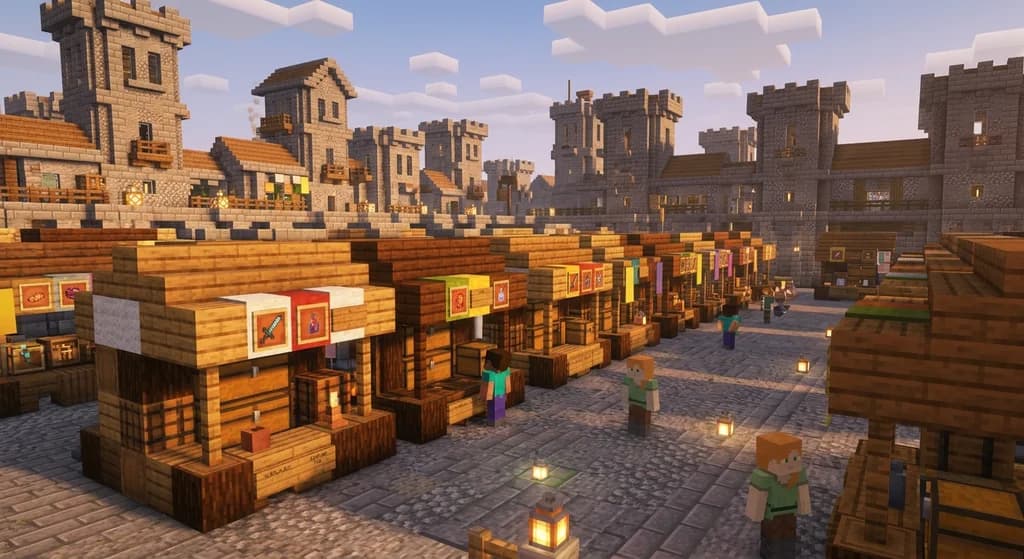
How to Set Up a Profitable Minecraft Chest Shop: 2026 Guide
Master the Minecraft chest shop guide for 2026. Learn plugin setup, best items to sell, pricing strategy, and layout tips to dominate any SMP economy server.
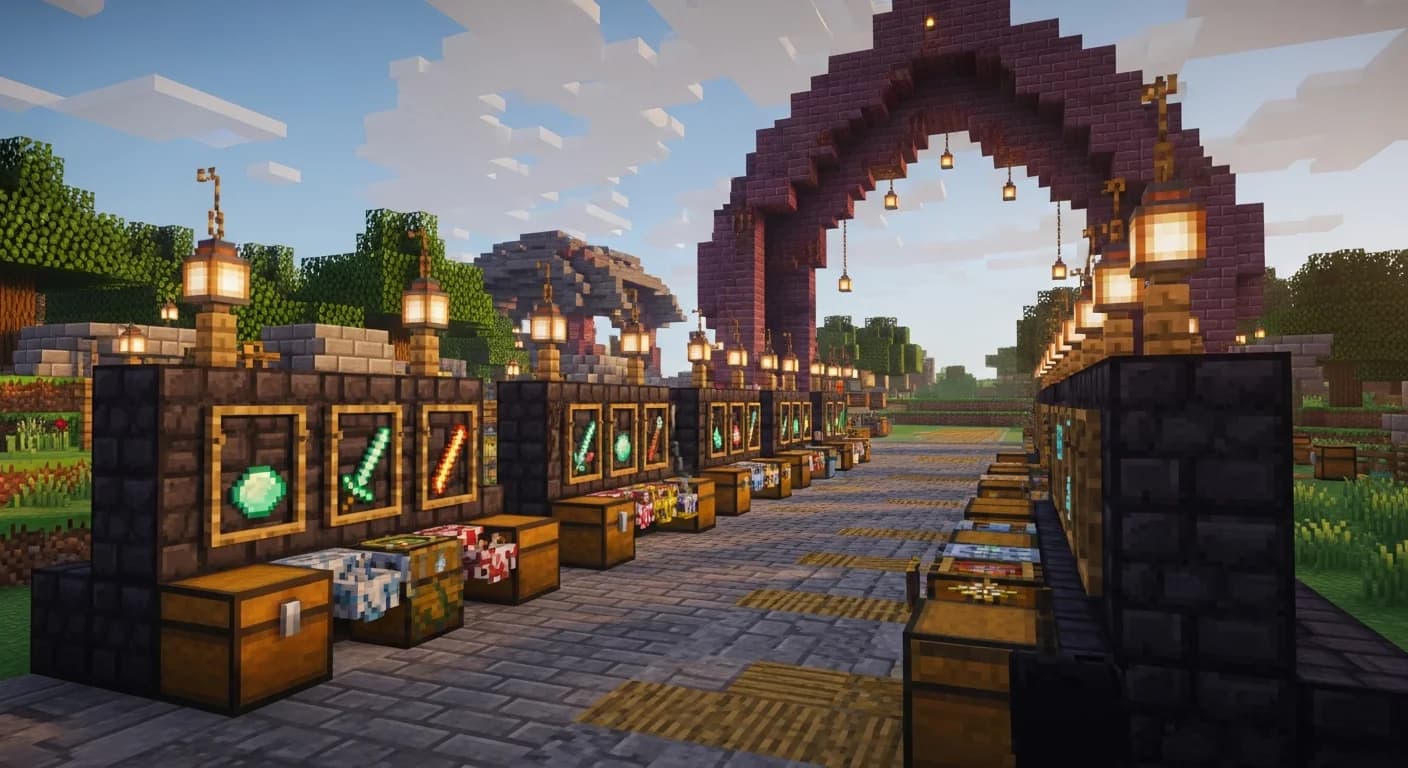
7 Best Items to Sell on Minecraft SMP Servers: 2026 Market Guide
Discover the 7 best items to sell on Minecraft servers in 2026. Maximize your SMP economy profits with this player market guide covering top-selling...
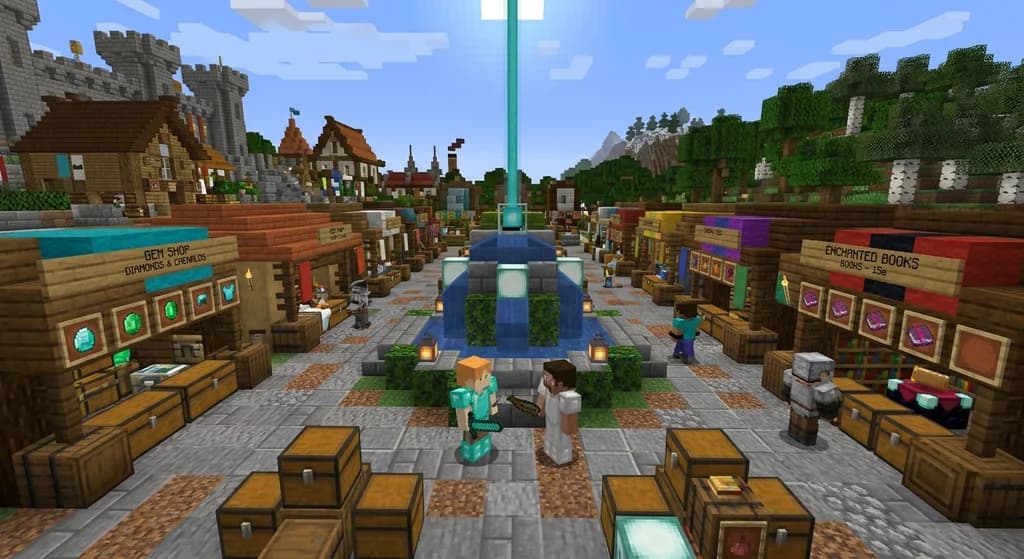
How to Price Items on a Minecraft Player Economy Server (2026)
Learn how to price items on a Minecraft player economy server in 2026. Master supply & demand, base costs, and market correction with tips from Gaia Legends.
How to Make Emeralds Fast with Minecraft Villager Professions in 2026
Learn the fastest ways to farm emeralds using Minecraft villager professions in 2026. Optimize trading halls, cure zombies, and master crop trading for...
Have a question or another approach?
Compare notes with other readers. Include your edition and version when discussing mechanics.