How to Create Minecraft Trading Cards for Your Server Economy in 2026
Filed under Minecraft Economy & Trading · How we create content
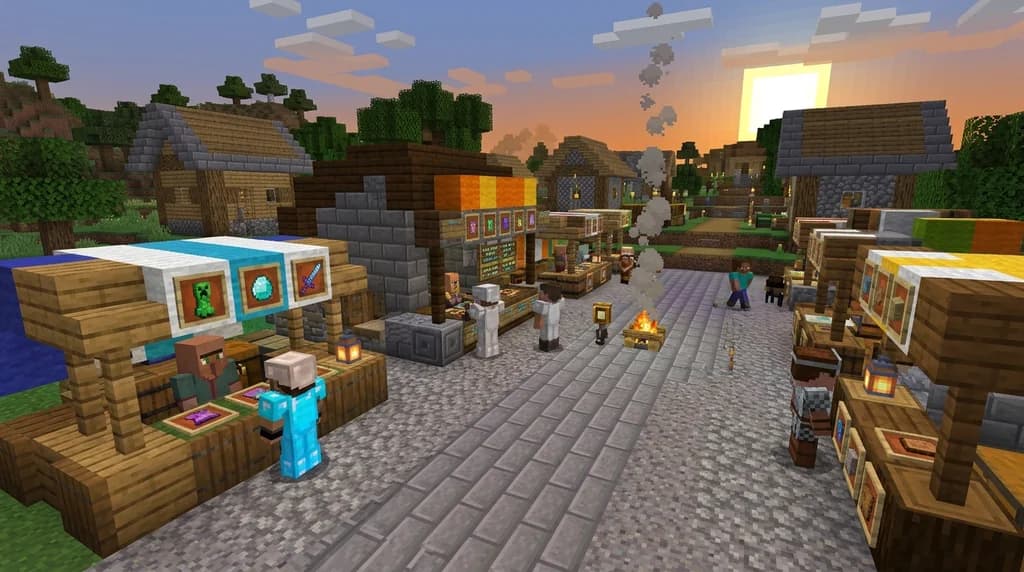
Key Takeaways
| Point | Details |
|---|---|
| Choose the right plugin | ItemsAdder and Oraxen let you upload custom textures and define card rarities for a full trading card system. |
| Design for scarcity | Assign rarity tiers (Common, Rare, Ultra-Rare) and limit supply to create real value and a speculative market. |
| Integrate with your economy | Use a currency plugin like Vault + EssentialsX to let players buy, sell, and auction cards with server money. |
| Prevent inflation | Introduce card sinks (crafting recipes, evolution systems) to remove cards from circulation and keep prices stable. |
| Engage the community | Host trading events, card showcases, and seasonal releases to keep the marketplace alive and active. |
| Use Gaia Legends as a model | The server has a thriving player-driven card economy — see how it works and join to start collecting. |
Table of Contents
- What Are Minecraft Trading Cards?
- How Do You Create a Trading Card Economy on Your Server?
- Best Plugins for Minecraft Trading Cards
- How to Design Valuable Cards and Boost Player Engagement
- Tips for Balancing a Trading Card Marketplace
- How to Put This Into Practice on Gaia Legends
- Frequently Asked Questions
- Recommended
If you’ve ever wanted to give your Minecraft server the kind of deep, player-driven economy that keeps people logging in daily, minecraft trading cards server economy systems are the answer. Unlike generic shops or diamond hoarding, trading cards create a collectible market that runs on excitement, speculation, and social interaction. In this guide, you’ll learn exactly how to design, implement, and balance a trading card system on your own server — and see how a real community like Gaia Legends makes it work.
What Are Minecraft Trading Cards?
Minecraft trading cards are custom items, often created with plugins like ItemsAdder or Oraxen, that feature unique textures, rarity levels, and lore — turning ordinary in-game items into collectible treasures players buy, sell, and trade.
A trading card in Minecraft is not a vanilla item; it’s a custom-made object that looks like a physical card (or a digital representation of one) and carries special attributes. You can create cards representing mobs, biomes, achievements, or even inside jokes from your server’s history. Each card has a rarity tier (Common, Rare, Epic, Legendary) and sometimes special effects like glowing text or particle trails. Players collect them, complete sets, and trade duplicates on an auction house or in player shops.
Minecraft trading cards share the same psychological hooks as real-world collectibles: scarcity, completionism, and social status. When you tie them to your server’s economy — using a currency like diamonds or server money — you instantly create a market that players can influence. This is a natural extension of what is a minecraft economy server and can dramatically boost retention.
How Do You Create a Trading Card Economy on Your Server?
You create a trading card economy by first choosing a custom item plugin, designing card sets with varying rarities, integrating a currency system, and setting up a marketplace where players can buy, sell, and trade cards freely.
The process breaks down into four clear steps.
Step 1: Pick a Currency and Economy Backbone
Before you add cards, you need a solid economy. Most servers use server-side money (e.g., dollars, coins) powered by Vault and EssentialsX. If you prefer a diamond-based system, check out how to start a minecraft diamond currency server. Either way, the currency must already be circulating and meaningful to players.
Step 2: Install a Custom Item Plugin
Plugins like ItemsAdder and Oraxen let you upload custom textures (.png files) and define item properties in YAML. You’ll create a card template — usually a piece of paper or a dyed leather chestplate retextured to look like a card — and then generate multiple variants with different names, lore, and rarity colors.
Step 3: Design Card Sets and Rarity Tiers
Decide on the total number of cards in a set and how rare each tier is. For example:
| Rarity | Drop Rate | Card Count per Set |
|---|---|---|
| Common | 70% | 20 |
| Rare | 20% | 10 |
| Epic | 8% | 5 |
| Legendary | 2% | 2 |
Rarity can be tied to how you distribute cards — through loot chests, boss drops, or purchaseable booster packs.
Step 4: Build the Marketplace
A trading card economy needs a place to trade. Use chest shops for direct player sales, or set up an auction house where players can bid on rare cards. The Gaia Legends auction house is a perfect example of how a bidding system fuels speculation and flipping.
Pro Tip: When launching a new card set, give out a few free booster packs to every player online. This creates instant buzz and seeds the market with tradable items.
Best Plugins for Minecraft Trading Cards
The two best plugins for creating a full trading card system are ItemsAdder and Oraxen, both of which allow custom textures, 3D models, and flexible item configuration — making them ideal for collectible card economies.
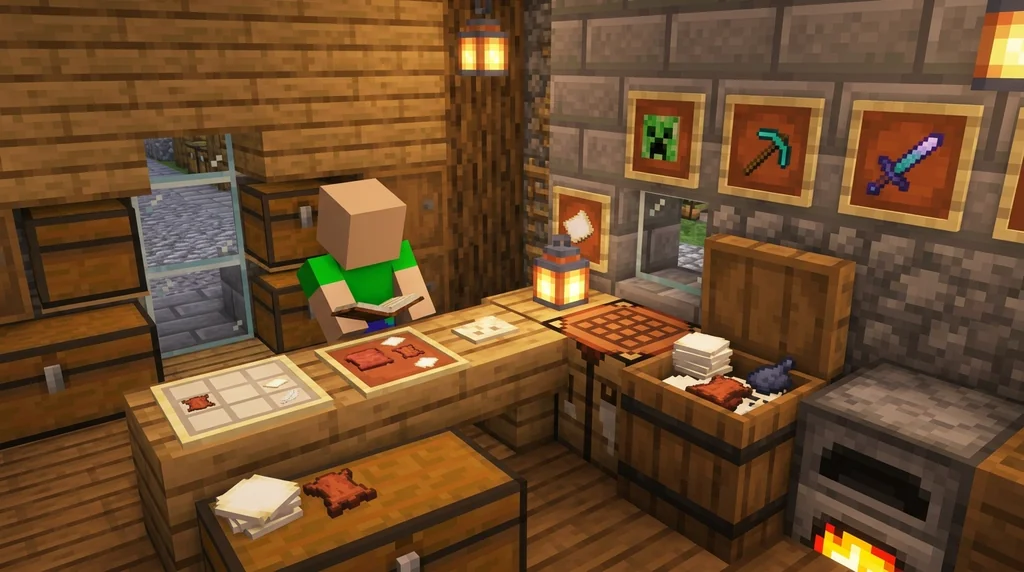
ItemsAdder
ItemsAdder gives you complete control over every visual and functional aspect of your cards. It supports custom font images, animated textures, and even 3D card models. With over 2.5 million downloads on SpigotMC (via SpigotMC), it’s battle-tested by thousands of server owners. You can create entire card packs with custom sounds when opened, rarity glows, and set bonuses.
Oraxen
Oraxen takes a more streamlined approach, making it easier to create high-quality cards quickly. It has over 1.5 million downloads on SpigotMC (via SpigotMC) and excels at generating resource packs automatically. If you’re not a texture artist, Oraxen’s built-in tools can still produce professional-looking cards.
Other Helpful Plugins
- Vault + EssentialsX — handles the currency and economy commands.
- AuctionHouse — lets players list cards for auction, creating a dynamic secondary market.
- ShopGUIPlus — for building a server shop that sells booster packs.
SpigotMC hosts over 100,000 plugins, many of which add custom items and trading systems (via SpigotMC), so you’re never short on options. The key is to combine them into a cohesive system.
Warning: Always test your resource pack on a staging server before going live. A broken pack can prevent players from joining and crash your economy overnight.
How to Design Valuable Cards and Boost Player Engagement
The perceived value of a trading card comes from a combination of rarity, visual appeal, and utility — cards that look amazing, are hard to obtain, or offer small in-game perks will always be in demand.
Minecraft has over 170 million monthly active players as of 2025 (via Minecraft.net), and many of them are already familiar with collectible systems from games like Pokémon or Hearthstone. You can tap into that mindset by designing cards with clear themes and progression.
Visual Design
Make each card stand out with vibrant colors, custom fonts, and animated effects. The Minecraft Marketplace has generated over $350 million in revenue for creators since 2017 (via Mojang), proving that players are willing to engage with premium cosmetic content. Treat your cards as mini works of art.
Utility and Perks
Some servers give cards a gameplay function: a Legendary Creeper card might grant a 5% damage boost against creepers, or a set bonus could give the player a particle trail. Even small perks make cards feel more like an investment than a cosmetic.
Seasonal Releases
Drop new sets every 3-4 months. Retire old sets to create scarcity. Announce rare “chase” cards that only five players can ever own. This keeps the market fresh and gives collectors a reason to stay active.
Tips for Balancing a Trading Card Marketplace
A trading card economy can quickly become unbalanced if you don’t control supply, provide sink mechanics, and monitor player-driven prices — ignore these and you risk hyperinflation or a dead market.
Control Supply Aggressively
Never let unlimited cards enter the world. Use time-gated loot boxes, cooldown drops, or limited-edition sales. The best items to sell in chest shops are always those with controlled supply, and cards are no exception.
Introduce Card Sinks
A sink removes cards from the economy permanently. Let players combine five duplicate Commons into one Rare card, or sacrifice cards to upgrade their gear. This prevents the market from flooding with unwanted cards.
Monitor the Auction House
Track which cards are selling for high prices and which are rotting. Adjust drop rates accordingly. If a card is too common, its value crashes. Use the villager trading chart as a reference for how demand curves work — villager trades become worthless when supply is unlimited, and the same principle applies to cards.
Set a Reasonable Currency Flow
Ensure players can earn enough money through jobs to participate in the card market. If the average player earns 1,000 coins an hour, a booster pack shouldn’t cost 50,000.
Note: A healthy trading card economy should see about 60-70% of cards changing hands at least once every two weeks. If trades stagnate, it’s time to release a new set or add a sink.
How to Put This Into Practice on Gaia Legends
Gaia Legends runs a fully player-driven trading card marketplace using custom items built with ItemsAdder. Every card is a unique textured item with rarity tiers, set bonuses, and a dedicated auction house channel. Players can earn booster packs by completing daily quests, buying them from the server shop, or trading directly with other players.
We’ve seen the economy evolve naturally — some players focus on flipping rare cards for profit, while others chase complete collections. The auction house flipping strategies are just as applicable here as they are for other items. Our custom item plugin integrates seamlessly with Vault, so every transaction uses the server’s diamond-backed currency.
Gaia Legends is free to join, non-pay-to-win, and supports Java + Bedrock crossplay. If you want to see a trading card economy in action, or contribute your own collection to the market, join at gaialegends.pro and start your legend today.
Conclusion
- Minecraft trading cards turn your server economy into a collectible-driven market that keeps players engaged for months.
- Choose a solid plugin (ItemsAdder or Oraxen), design appealing cards with strict rarity control, and always provide sink mechanics to prevent inflation.
- Integrate cards with your existing currency system and auction house to create a seamless trading experience.
You don’t need a massive player base to start — even a small server can build a thriving card economy. The key is to start small, listen to your players, and iterate. The first pack you drop could be the spark that transforms your server.
Ready to play? Join Gaia Legends today — no pay-to-win, Java + Bedrock crossplay.
- Java:
join.gaialegends.pro - Bedrock:
join.gaialegends.pro— Port19132
Frequently Asked Questions
What are Minecraft trading cards for a server economy?
Minecraft trading cards are custom items that act as collectibles players can buy, sell, and trade, forming a player-driven market. They’re created using plugins like ItemsAdder, feature unique textures and rarity tiers, and integrate with the server’s currency to create a dynamic economy.
How do I create custom trading cards in Minecraft?
Install a custom item plugin such as ItemsAdder or Oraxen, then design card textures and configure them in YAML files. Assign rarity, lore, and any special effects. Once the plugin generates the resource pack, players will see the cards as custom items in-game.
Which plugins work best for Minecraft trading cards?
ItemsAdder and Oraxen are the top choices because they handle custom textures, 3D models, and resource pack management. Pair them with Vault and EssentialsX for currency, and an auction house plugin like AuctionHouse to create a full trading card marketplace.
How can I balance a trading card economy to prevent inflation?
Control card supply by limiting drop rates and using time-gated distributions. Add card sinks like craftable upgrades or set completion rewards that remove duplicates from circulation. Regularly monitor prices and adjust rarity tiers to keep the market stable.
Can players trade cards on a Minecraft server without plugins?
Without plugins, you can’t create custom items, so true trading cards aren’t possible. You could simulate a card system using maps or renamed items, but it lacks the visual appeal and rarity control of a proper plugin-based solution.
How do I attract players to my trading card marketplace?
Host launch events, give away free booster packs, and design visually stunning rare cards. Promote the marketplace in your server’s Discord and create seasonal leaderboards. A lively auction house and regular new card sets keep players coming back to collect and trade.
Related guides
7 Best Minecraft Economy Plugins for Your Server in 2026
Discover the 7 best Minecraft economy plugins for 2026, including EssentialsX and Vault. Learn how to build a player-driven SMP market with shops, jobs,...
Historical Duplication Glitches in Minecraft Java Edition
Explore the history of item duplication glitches in Minecraft Java Edition from Beta 1.3 through 1.8, including sand, rail, string, and piston duplication...
Minecraft China Edition: Key Differences and Variants
Discover the differences between Minecraft China Edition and the global versions. Learn about its variants, features, update cycle, and how it compares to...
Minecraft Server Archetypes: Quick Reference for Admins
Discover the main Minecraft server archetypes including SMP, faction, and minigame servers. A concise quick reference for admins choosing the right server...
Have a question or another approach?
Compare notes with other readers. Include your edition and version when discussing mechanics.