How to Avoid Scams in Minecraft Player Markets and Trading (2026)
Filed under Minecraft Economy & Trading · How we create content
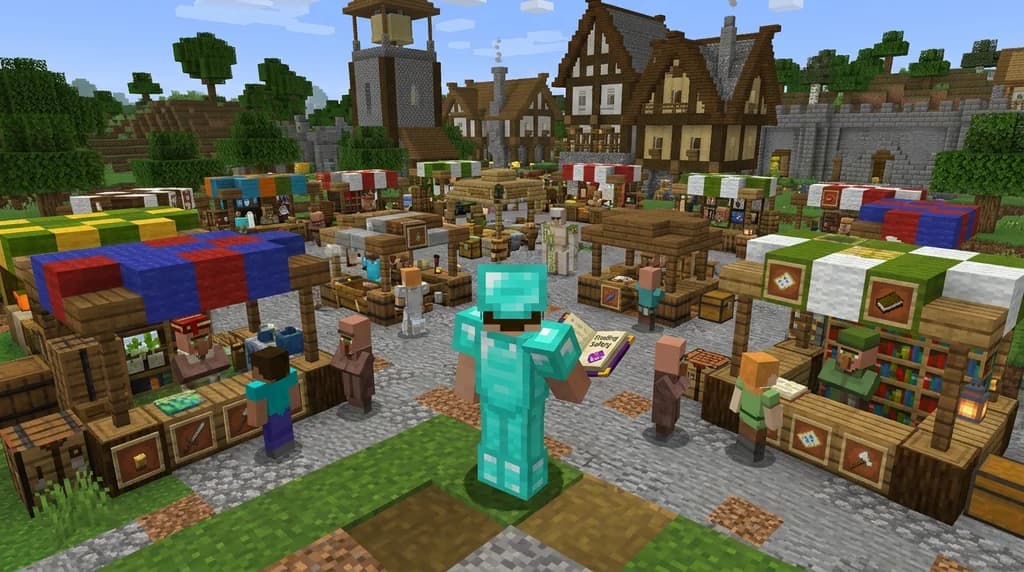
Key Takeaways
| Point | Details |
|---|---|
| Common scams | Watch out for item swaps, fake auctions, and exit scams in player markets. |
| Pre-trade checks | Always verify a player's reputation, trade history, and the exact item before accepting. |
| Use secure systems | Auction houses and trade plugins dramatically lower your risk of being scammed. |
| Record everything | Screenshots and chat logs are essential when reporting a scam. |
| Reputation matters | Servers with built-in reputation systems, like Gaia Legends, help you trade safely. |
| Stay informed | Scammers evolve tactics; keep up with community scam reports and updates. |
Table of Contents
- What Are the Most Common Scams in Minecraft Player Markets?
- How to Identify a Scammer Before You Trade
- Best Practices for Safe Minecraft Trading
- Why Do Minecraft Player Markets Attract Scammers?
- The Role of Reputation Systems in Preventing Scams
- How to Put This Into Practice on Gaia Legends
- Frequently Asked Questions
- Recommended
Every Minecraft player who’s ever traded in a bustling server market knows the thrill of finding a great deal—and the sting of getting scammed. If you want to avoid scams in Minecraft player markets, you’re not alone. By some estimates, more than half of all veterans have fallen for a trade trick at least once. The good news? Most scams are predictable and preventable once you know what to look for. In this guide, you’ll learn the red flags, the safest trading methods, and how reputation systems can keep your loot where it belongs—in your inventory.
What Are the Most Common Scams in Minecraft Player Markets?
A Minecraft player market scam is any deceptive trade designed to cheat you out of items, currency, or in-game labor by exploiting trust or unfamiliarity with the server’s systems.
Scammers rely on distraction, urgency, and the anonymity of virtual lobbies. The most frequent types you’ll encounter include:
- Item swap: The scammer shows a rare item like a shulker box full of diamonds, then quickly swaps it for a nearly identical but worthless shulker box before you accept.
- Fake auction: A listing appears for a high-value item at a suspiciously low price, but the seller cancels the bid after receiving payment or delivers a different item.
- Exit scam: A well-known trader builds trust over weeks, takes large pre-orders, then disappears with everyone’s payment.
- Trust trade: A player asks you to go first “to prove trust,” then logs out once they have your items.
Note: Item swaps remain the most pervasive because they exploit the visual similarity of shulker boxes and renamed items. According to a Dot Esports analysis, 60% of Minecraft scams involve item-swapping during direct trades (via Dot Esports).
A Minecraft player market scam is any false promise that leaves you poorer. If a deal feels too good to be true, it usually is.
How to Identify a Scammer Before You Trade
Spotting a scammer starts with checking their reputation, trading history, and behavior—most frauds leave a trail of red flags long before they ever touch your items.
Before you click accept, run through this checklist:
- Check player reputation: Many economy servers use rating plugins. Look for negative feedback or a fresh account with no history. A Planet Minecraft survey of 500 players found that 68% have been scammed at least once when trading with unrated accounts (via Planet Minecraft).
- Inspect the item carefully: Hover over the item in the trading window. Even renamed items retain their original tooltip—check that the enchants, quantity, and durability match what was promised.
- Watch for pressure tactics: “Limited time offer,” “Going offline in 1 minute,” or “I’ll give you a bonus if you trade now” are classic manipulations. Scammers hate it when you take your time.
- Use a middleman: On big deals, ask a trusted admin or a community-recognized middleman to hold both items. Many trade plugins even automate this.
Pro Tip: Always screenshot the trade window before and after. If something goes wrong, these become your proof. Hypixel alone receives over 500 scam reports daily, and most are rejected due to lack of evidence (via Hypixel).
Best Practices for Safe Minecraft Trading
Safe trading boils down to using secure interfaces, trusting reputation over words, and never deviating from the server’s built-in trading tools.
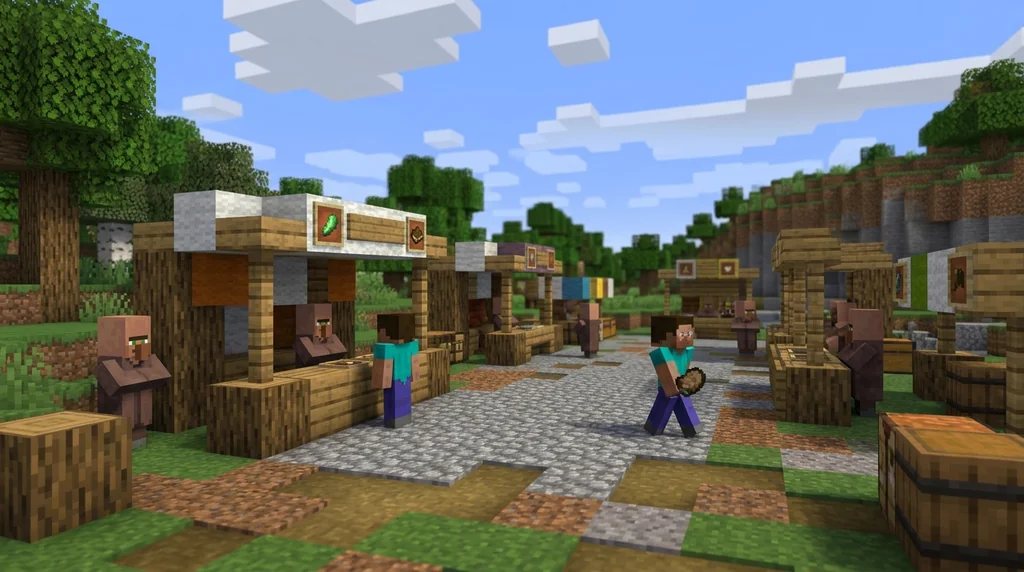
The simplest way to avoid scams is to use the server’s auction house or trade plugin. If you’re still trading via manual drop—you’re inviting risk. Here’s how to level up your safety:
- Auction houses: A plugin like the one found on Gaia Legends’ economy server ensures both parties lock in items before the exchange completes. You can even flip items on the auction house without ever facing a scammer.
- Trade GUIs: If a server has a secure trade window, use it. Any attempt to exit or change items mid-trade is blocked. If a player insists on dropping items on the ground instead, that’s a massive red flag.
- Price awareness: Scammers often lure victims by listing items far below market value. Learn how to price items properly so you can spot fake bargains instantly.
- Villager trading posts: Even in player markets, you can rely on villagers for safe, fixed-rate exchanges. Check out our guide on building a Minecraft trading post for villagers to supplement your income safely.
Warning: Never transfer items outside the trading interface. If you drop items hoping the other player will reciprocate, you have zero protection and no admin can help you recover them.
A well-designed economy plugin is your best friend. Servers that run modern economy plugins often have built-in fraud detection and can roll back confirmed scams.
Why Do Minecraft Player Markets Attract Scammers?
Anonymity, low enforcement, and the huge value of virtual goods make Minecraft player markets a honeypot—scammers can vanish without trace while players have little recourse.
Unlike real-world marketplaces, Minecraft servers rarely enforce trade contracts. Most operate on the honor system, and while most players are honest, a few bad actors can ruin the experience. Because many servers don’t log trades automatically, proving a scam is often impossible. Scammers know this and exploit the lack of oversight.
When a server uses a diamond-based currency, the stakes feel tangible. A scammer who walks away with a stack of diamond blocks just earned real hours of labor. This lure is why proactive security matters more than reactive punishment.
The Role of Reputation Systems in Preventing Scams
Reputation systems transform anonymous trades into trust-based interactions by making every player’s history public—scammers can’t hide, and honest players build credit.
The single most effective scam deterrent is a persistent reputation score. When every completed trade adds to your rating, scammers find it almost impossible to operate. They either need to start fresh with a new account (which many plugins flag) or sink under a pile of negative reviews.
Key features of a good reputation system:
- Public rating and reviews: Every player sees your history before a trade.
- Trade streak badges: Long-time honest traders get visual indicators that signal trust.
- Admin logs: All trades are recorded, allowing moderators to reverse confirmed scams.
If your current server doesn’t offer reputation tracking, suggest it—or move to one that does. The difference is night and day.
How to Put This Into Practice on Gaia Legends
On Gaia Legends, we’ve built trading safety into the core of our SMP experience. Every player starts with a clean slate, but your actions quickly define your trustworthiness. Our integrated reputation system displays your trade success rate, completed deals, and community endorsements right in the player profile. The secure auction house guarantees that what you bid on is exactly what you get, with no last-second swaps. We even offer a middleman bot for high-value deals, removing any doubt.
When you flip items on the auction house, you don’t have to second-guess the seller. And because our economy is tied to practical goods and services, learning how to price items helps you spot scams in any market. Gaia Legends is free to join, non-pay-to-win, and supports Java + Bedrock crossplay. Join at gaialegends.pro and start your legend today.
Conclusion
Scams in Minecraft player markets aren’t going away, but you don’t have to fall victim. Remember these three pillars:
- Never skip the reputation check—a player without history is a risk you can’t afford.
- Always use secure trading interfaces—auction houses and official trade GUIs protect both sides.
- Document everything—screenshots and logs turn “he said, she said” into refundable proof.
Apply what you’ve learned here, and you’ll trade with the confidence of a seasoned merchant. See you in the market.
Frequently Asked Questions
How can I avoid scams in Minecraft player markets?
The best way to avoid scams is to trade only through secure auction houses or trade plugins that lock items, check every player’s reputation history, and never accept pressure tactics. Always screenshot the trade window before confirming, and if a deal feels off, walk away.
What is the most common Minecraft trading scam?
The item-swap scam is the most frequent. A seller shows a valuable item (like a full shulker box) then quickly replaces it with a visually identical but empty or cheap one right before the trade is accepted. Always re-inspect the item slowly before clicking confirm.
Are there any safe ways to trade without anti-scam plugins?
Yes, but it requires extreme caution. Use a trusted middleman from the community, agree on exact item details in chat, and record the entire interaction. Even so, plugins are far safer—consider suggesting economy plugins to your server admin.
How do reputation systems help stop scammers?
Reputation systems make every trade public, so scammers accumulate negative reviews and can’t hide behind fresh accounts. Players with a long history of successful trades get badges or higher ratings, making it easy to identify trustworthy trading partners.
Can I report a scam on Minecraft servers?
Yes. Most servers have a report system for rule violations. Submit screenshots of the trade chat, the trade window before and after, and any relevant reputation info. Hypixel alone processes thousands of such reports monthly, but evidence is required.
Do I need to use the auction house to trade safely?
While not strictly mandatory, auction houses are the safest method because they lock items until both parties confirm, eliminating swap and exit scams. If your server offers one, using it is the single best step you can take to trade safely.
Ready to play? Join Gaia Legends today — no pay-to-win, Java + Bedrock crossplay.
- Java:
join.gaialegends.pro - Bedrock:
join.gaialegends.pro— Port19132
Further reading
These references were recorded with the article; specific claims have not been matched to source excerpts.
Frequently Asked Questions
How can I avoid scams in Minecraft player markets?
The best way to avoid scams is to trade only through secure auction houses or trade plugins that lock items, check every player’s reputation history, and never accept pressure tactics. Always screenshot the trade window before confirming, and if a deal feels off, walk away.
What is the most common Minecraft trading scam?
The item-swap scam is the most frequent. A seller shows a valuable item (like a full shulker box) then quickly replaces it with a visually identical but empty or cheap one right before the trade is accepted. Always re-inspect the item slowly before clicking confirm.
Are there any safe ways to trade without anti-scam plugins?
Yes, but it requires extreme caution. Use a trusted middleman from the community, agree on exact item details in chat, and record the entire interaction. Even so, plugins are far safer—consider suggesting economy plugins to your server admin.
How do reputation systems help stop scammers?
Reputation systems make every trade public, so scammers accumulate negative reviews and can’t hide behind fresh accounts. Players with a long history of successful trades get badges or higher ratings, making it easy to identify trustworthy trading partners.
Can I report a scam on Minecraft servers?
Yes. Most servers have a report system for rule violations. Submit screenshots of the trade chat, the trade window before and after, and any relevant reputation info. Hypixel alone processes thousands of such reports monthly, but evidence is required.
Do I need to use the auction house to trade safely?
While not strictly mandatory, auction houses are the safest method because they lock items until both parties confirm, eliminating swap and exit scams. If your server offers one, using it is the single best step you can take to trade safely.
Related guides
Understanding Minecraft's Vanilla Trading System
Learn how the vanilla trading system works in Minecraft Java Edition, from villager trades to emeralds and wandering traders. A quick reference for players.
How to Make Emeralds Fast with Minecraft Villager Professions in 2026
Learn the fastest ways to farm emeralds using Minecraft villager professions in 2026. Optimize trading halls, cure zombies, and master crop trading for...
7 Best Items to Sell in Minecraft Player Chest Shops in 2026
Discover the 7 best items to sell in Minecraft chest shops in 2026. Maximize your SMP economy profits with this data-backed shop profit guide.
How to Set Up a Profitable Minecraft Chest Shop: 2026 Guide
Master the Minecraft chest shop guide for 2026. Learn plugin setup, best items to sell, pricing strategy, and layout tips to dominate any SMP economy server.
Have a question or another approach?
Compare notes with other readers. Include your edition and version when discussing mechanics.