How to Build Desert Masterpieces: 2026 Block Harmony Guide
Filed under Minecraft Build Palette & Block Harmony · How we create content
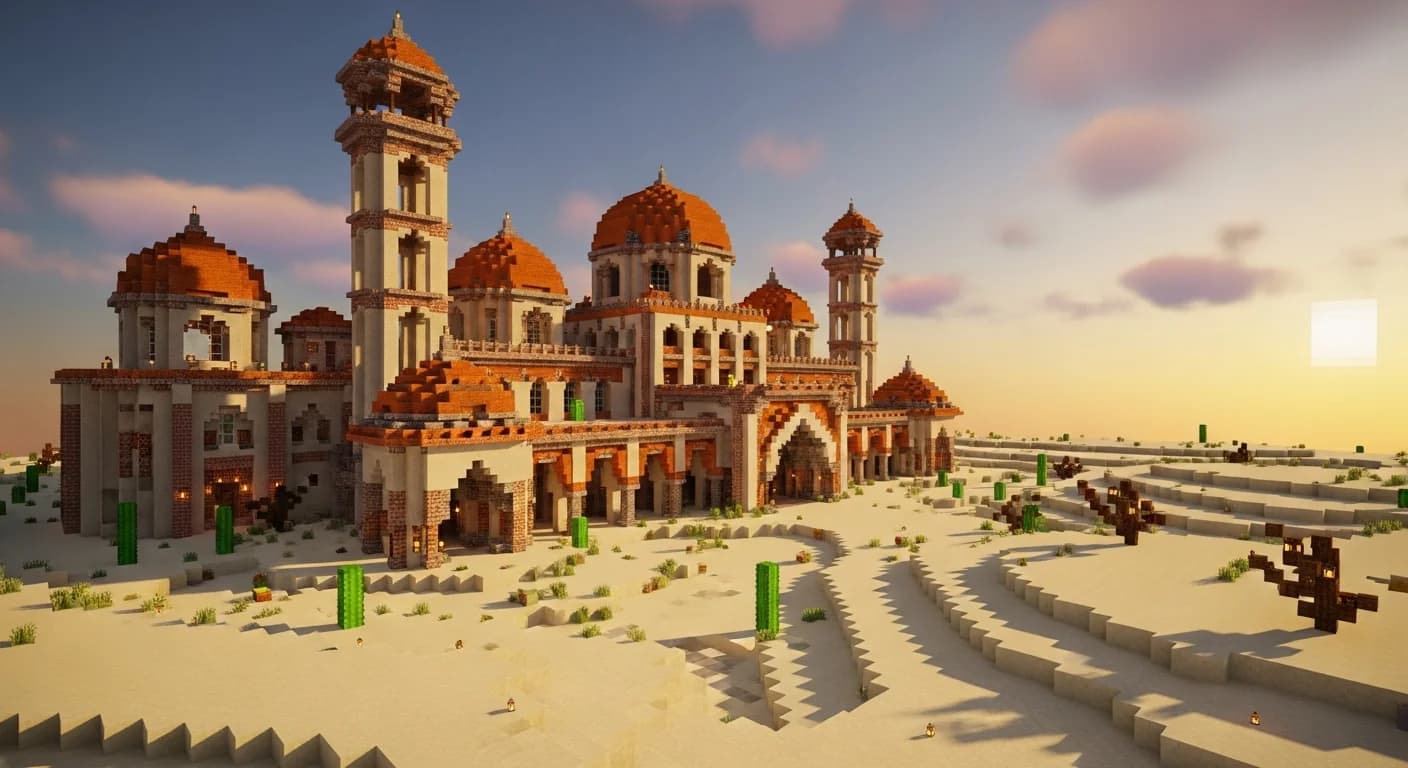
Key Takeaways
| Point | Details |
|---|---|
| Layer sandstone variants | Mixing regular, cut, smooth, and chiseled sandstone on a single wall adds instant visual depth without extra materials. |
| Warm terracotta is your palette anchor | Orange, yellow, and red terracotta echo real desert geology and tie the whole build together. |
| Accent blocks break monotony | Dead coral fans, dried kelp blocks, and stripped acacia logs add organic contrast to sandy structures. |
| Height and silhouette matter most | Desert palaces read as impressive from a distance only when domes, towers, and archways break the roofline. |
| Gather smart, build faster | Using a dedicated resource world for sand and clay prevents depleting your survival biome and keeps your home area intact. |
| Palette plan before you place | Sketching a 3-block primary, 2-block secondary, 1-block accent formula prevents mid-build color regret. |
Table of Contents
- What Is Desert Block Harmony in Minecraft?
- Best Sandstone Block Combinations for Desert Builds
- How to Build a Desert Palace Step by Step
- Top Accent Blocks That Elevate Desert Architecture
- Tips for Warm Color Harmony in Minecraft Desert Builds
- How to Put This Into Practice on Gaia Legends
- Conclusion
- Frequently Asked Questions
- Recommended
The desert biome is one of the most underestimated canvases in Minecraft. Most players see flat sand and move on. Skilled builders see a warm, sun-bleached palette just waiting for towering palaces, buried ruins, and layered marketplaces. This Minecraft desert build guide breaks down exactly how to combine sandstone variants, terracotta tones, and accent blocks into builds that look intentional, cohesive, and genuinely impressive — whether you're working on a survival server or a creative project.
What Is Desert Block Harmony in Minecraft?
Desert block harmony is the practice of selecting and layering warm-toned blocks — primarily sandstone variants, terracotta, and organic accents — so that every surface reads as part of a unified, believable desert aesthetic rather than a random assortment of beige blocks.
Color harmony in Minecraft works the same way it does in art and design: you choose a dominant color family, a secondary supporting tone, and one or two accent colors that add contrast without clashing. For desert builds, that formula looks like this:
- Primary (60%): Sandstone family — regular, smooth, cut, and chiseled
- Secondary (30%): Terracotta — orange, yellow, white, and red variants
- Accent (10%): High-contrast or organic blocks — dead coral, dark oak, quartz, or polished blackstone
This 60-30-10 rule is the backbone of every palette approach covered in our How to Use a Minecraft Palette Generator for Block Harmony (2026) guide, and it applies perfectly to desert builds.
Note: Block harmony doesn't mean every block looks the same — it means every block belongs in the same visual family. Contrast is still essential; it just needs to be controlled.
Best Sandstone Block Combinations for Desert Builds
Sandstone is your foundation, but the vanilla block alone is too flat for interesting architecture. The Minecraft wiki lists four distinct sandstone variants, each with a different texture profile:
| Block | Texture Character | Best Used For |
|---|---|---|
| Sandstone | Rough, layered | Walls, fill areas |
| Smooth Sandstone | Clean, uniform | Floors, rooftops, pillars |
| Cut Sandstone | Geometric grid | Window frames, detailing |
| Chiseled Sandstone | Ornate carved face | Entrances, feature walls |
According to the Minecraft Wiki, sandstone is one of the naturally generated blocks found in desert temples and desert wells, meaning it already has an established in-world architectural precedent — your builds will feel lore-consistent when you lean into it.
How to Layer Sandstone for Maximum Depth
Never build a flat wall of a single sandstone type. Instead, use this three-layer approach:
- Outer face: Smooth sandstone for clean lines
- Trim and borders: Cut sandstone to define edges and panel breaks
- Feature points: Chiseled sandstone at entrances, archway keystones, and pillar capitals
This technique alone transforms a flat wall into something that looks hand-carved. Pair it with sandstone slabs and stairs for beveled edges and you'll add shadow lines that make the structure pop even in flat lighting.
Pro Tip: Use smooth sandstone slabs as a roofing material instead of full blocks — the slightly recessed edge creates a subtle overhang shadow that makes rooftops look finished rather than boxy.
How to Build a Desert Palace Step by Step
A desert palace build comes down to three phases: foundation and footprint, vertical structure, and decorative detailing.
Phase 1 — Foundation and Footprint
Start with a rectangular or octagonal footprint. Odd-number widths (15, 21, 27 blocks) make it easier to center doorways and domes. Raise the floor 3–5 blocks above ground level on a sandstone platform — desert palaces historically sat elevated to catch wind and signal status.
Outline the perimeter with smooth sandstone and mark corner towers at least 4×4 blocks wide. These towers will anchor your roofline and give the silhouette its palace identity.
Phase 2 — Walls and Arches
Build walls to a height of 12–16 blocks for a grand feel. Every 5 blocks horizontally, insert a pillar of chiseled sandstone to break the wall plane. Between pillars, use cut sandstone panels framed by sandstone slabs as horizontal banding.
For arches, use sandstone stairs in a stair-step pattern to approximate a curve. A 5-wide arch reads convincingly from even a short distance and adds an unmistakably Middle Eastern architectural feel.
Warning: Don't skip the interior. Empty palace shells look unconvincing. Plan at least one decorated hall with terracotta floor patterns and sea lanterns hidden inside columns for ambient light — visitors will notice.
Phase 3 — Domes and Towers
Domes are the signature of desert palace architecture. Build them using the layer-by-layer sphere technique: start with your dome's widest ring, then reduce the radius by 1–2 blocks every 2 layers as you go up. Smooth sandstone works best for dome surfaces; cap each dome with a single yellow glazed terracotta block as a finial for color pop.
For an in-depth look at how palette choices affect silhouette reads across different build styles, check out the 7 Best Castle Minecraft Build Palettes for Fantasy Kingdoms (2026) — many of the silhouette principles translate directly.
Top Accent Blocks That Elevate Desert Architecture
Accent blocks are where your desert build goes from "competent" to "stunning." Use them sparingly — remember, they're the 10% of your palette.
- Dead coral fans and blocks: Scatter these on the ground around your build for a dry, sun-bleached organic feel. They require silk touch to harvest but are worth every effort.
- Polished blackstone: Use as window sills, door frames, and floor inlays. The dark contrast against warm sandstone is striking.
- Stripped acacia logs: Acacia's reddish-orange tone is a natural desert companion. Use vertically as pillars or horizontally as roof beams in open-air courtyards.
- Orange and red glazed terracotta: Place these as decorative floor tiles in a 2×2 or diamond pattern — the geometric patterns baked into glazed terracotta look like authentic mosaic tilework.
- Sea lanterns: Hide these inside hollow pillars or under stair overhangs for warm, diffused lighting that doesn't break the aesthetic the way torches do.
The same contrast logic applies in other warm-palette builds. If you enjoy mixing organic and geometric blocks, the 7 Best Mangrove and Mud Block Palettes for Swamp Bases (2026) post covers similar accent-block techniques in a completely different biome context.
Tips for Warm Color Harmony in Minecraft Desert Builds
Warm color harmony in Minecraft is the intentional use of red, orange, yellow, and brown hues — all found in abundance in the desert biome's native block set — to create builds that feel sun-warmed, ancient, and cohesive.
Here are the most actionable tips for getting it right:
Plan Your Palette Before You Place a Single Block
Lay out a 5×5 swatch of your primary, secondary, and accent blocks in a flat test area first. Stand back and look at them together. If anything looks jarring, swap it out before committing to a full structure.
Use Terracotta for Geological Storytelling
Real desert rock formations show visible color strata — layers of red, orange, and tan. You can recreate this in Minecraft by banding red terracotta at the base, transitioning to orange terracotta in the mid-section, and finishing with white terracotta or smooth sandstone at the top. It reads as geologically believable and visually dynamic.
Avoid These Common Palette Mistakes
- Using yellow concrete instead of yellow terracotta: Concrete is too saturated and synthetic-looking for desert builds.
- Adding white wool or white concrete as a "highlight": These are too bright and cool-toned — they'll look like snow on a desert building.
- Mixing sandstone with oak planks: Oak's cool gray-brown clashes with the warm sandy tones. Use dark oak or acacia instead.
For a useful contrast, see how cool-tone palettes work in completely opposite conditions in the 7 Best Cool-Tone Palettes for Minecraft Snowy Biome Builds (2026) — understanding the opposite end of the spectrum makes you a sharper palette designer overall.
Quick Warm Palette Reference
| Role | Block Options |
|---|---|
| Primary base | Sandstone, Smooth Sandstone |
| Primary detail | Cut Sandstone, Chiseled Sandstone |
| Secondary warm | Orange Terracotta, Yellow Terracotta |
| Secondary earth | Red Terracotta, White Terracotta |
| Accent dark | Polished Blackstone, Dark Oak |
| Accent organic | Dead Coral, Stripped Acacia |
| Accent light | Sea Lantern, Glowstone (hidden) |
How to Put This Into Practice on Gaia Legends
Building a desert palace in survival mode means you need a lot of sand and clay — and strip-mining your home biome for materials is a fast track to an ugly, depleted landscape.
On Gaia Legends, our custom resource worlds are purpose-built for exactly this kind of large-scale gathering. These worlds reset regularly, so you can mine sand, clay, and gravel to your heart's content without touching the permanent survival world. Here's how to make the most of them for a desert build:
- Sand runs: The resource world desert biomes give you unlimited sand for smelting into sandstone. Bring an efficiency shovel and fill your inventory in minutes.
- Clay for terracotta: Clay patches in resource world rivers are plentiful. Smelt clay balls into bricks, or craft clay blocks directly into terracotta and then dye them on-site.
- Coral harvesting: The resource world ocean biomes let you silk-touch dead coral fans without permanently destroying any coral reef in the survival world.
Gaia Legends is free to join, non-pay-to-win, and supports Java + Bedrock crossplay — so your whole friend group can contribute to the build regardless of platform. Join at gaialegends.pro and start your legend today.
Conclusion
Desert builds reward builders who think in layers — textures, colors, and silhouettes all working together. Three things to carry with you:
- Mix your sandstone variants. Regular, smooth, cut, and chiseled on the same wall is always better than any single type alone.
- Let terracotta tell a geological story. Band red at the base, orange in the middle, white at the top for builds that look carved from real desert rock.
- Accent blocks are the difference-maker. Polished blackstone, dead coral, and stripped acacia are what separate a good desert build from a great one.
Now go find a flat expanse of sand and build something that makes travelers stop and stare.
Frequently Asked Questions
Recommended
- How to Build an Efficient Minecraft Fishing Farm in 2026
- How to Brew Every Minecraft Potion: The Complete 2026 Guide
- 7 Best Modded Minecraft Server Hosting Services to Use in 2026
- 7 Best Items to Sell on Minecraft SMP Servers: 2026 Market Guide
Ready to play? Join Gaia Legends today — no pay-to-win, Java + Bedrock crossplay.
- Java:
join.gaialegends.pro - Bedrock:
join.gaialegends.pro— Port19132
Further reading
These references were recorded with the article; specific claims have not been matched to source excerpts.
Frequently Asked Questions
What is the best Minecraft desert build guide approach for beginners?
The best Minecraft desert build guide approach for beginners is the 60-30-10 palette rule: 60% sandstone variants as your primary block, 30% terracotta in orange and yellow tones as your secondary, and 10% accent blocks like polished blackstone or dead coral for contrast. Start with a simple rectangular structure, mix at least two sandstone types on every wall, and add height with a corner tower before worrying about decoration.
What sandstone block combinations work best for desert builds?
The strongest sandstone combinations layer smooth sandstone for large flat surfaces, cut sandstone for geometric panel details, and chiseled sandstone at focal points like entrances and pillar capitals. Using all four sandstone variants — regular, smooth, cut, and chiseled — on the same structure creates the layered, hand-carved look that makes desert builds visually rich. Add sandstone slabs and stairs to create shadow lines along edges and rooflines.
How do I build a desert palace in Minecraft without it looking flat?
Avoid flatness by breaking every wall plane with vertical pillar columns every 5 blocks, horizontal banding using slab trim, and inset window alcoves. Use sandstone stairs to create arched doorways. Build corner towers that rise 3–4 blocks above the main roofline, and cap domes with a contrasting finial block like yellow glazed terracotta. Depth, shadow lines, and a varied roofline silhouette are the three things that make a desert palace look grand rather than boxy.
What accent blocks pair well with sandstone in desert builds?
The best accent blocks for sandstone desert builds are polished blackstone for dark contrast trim, stripped acacia logs for warm organic pillars, dead coral fans for ground-level detail, orange and red glazed terracotta for mosaic floor patterns, and sea lanterns hidden inside columns for ambient lighting. Avoid white concrete and oak planks — both are too cool-toned and clash with the warm sandstone palette.
How do I get enough sand and clay for a large desert build in survival Minecraft?
The most efficient method is to use a dedicated resource world or a separate world download for bulk gathering, so you don't deplete your home biome. Bring an Efficiency IV or V shovel with Fortune or Silk Touch depending on what you need. For clay, target river and lake shores in warm biomes. Smelt sand into sandstone on-site using a blast furnace to save inventory space — you get one sandstone block per four sand, so pre-crafting saves trips back to base.
What is warm color harmony in Minecraft and how does it apply to desert builds?
Warm color harmony in Minecraft is the intentional grouping of red, orange, yellow, and brown blocks to create a cohesive, sun-warmed palette. In desert builds, this means anchoring your structure in sandstone tones, layering terracotta from red at the base to orange in the mid-section and white near the top to mimic geological strata, and using dark accent blocks sparingly for contrast. Avoiding cool-toned blocks like blue concrete or oak planks keeps the palette unified.
Related guides
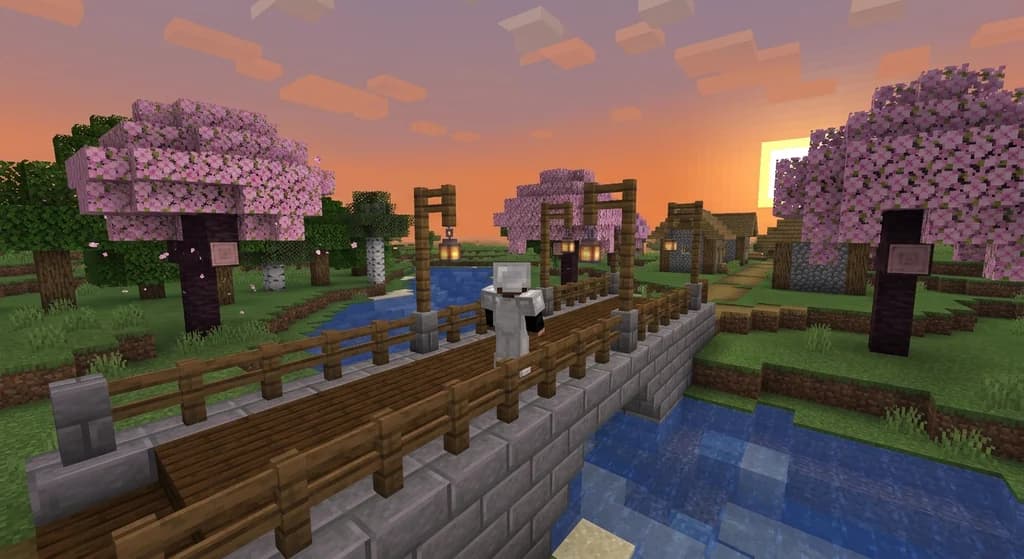
How to Build a Minecraft Bridge with 5 Block Palettes (2026)
Discover 5 stunning block palettes for Minecraft bridges in 2026. From rustic wood to nether luxury, learn how to pick blocks and build a pretty bridge...
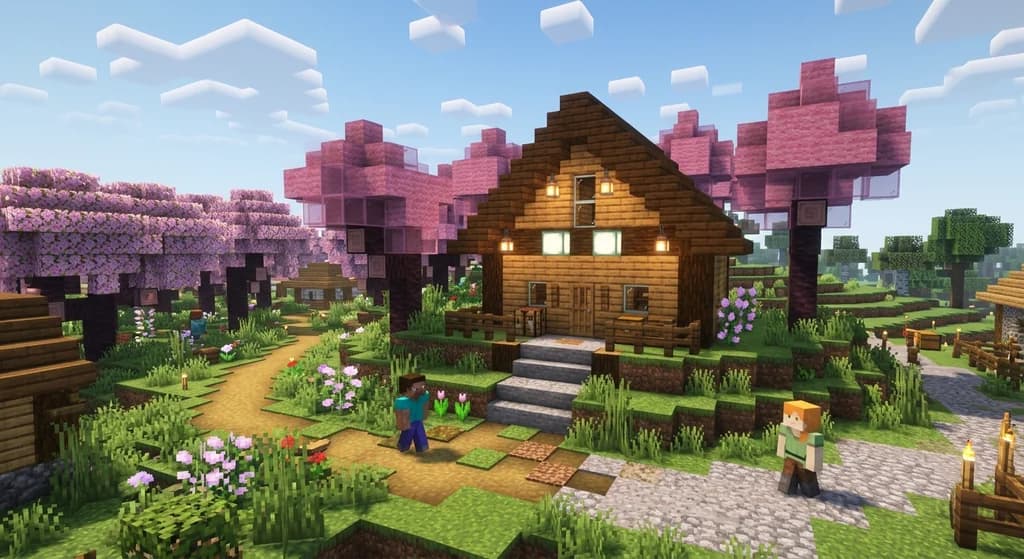
How to Use the 60-30-10 Rule for Balanced Minecraft Builds (2026)
Learn how to use the 60-30-10 rule for Minecraft builds with simple layers: 60% dominant, 30% contrast, 10% accent for balanced bases.
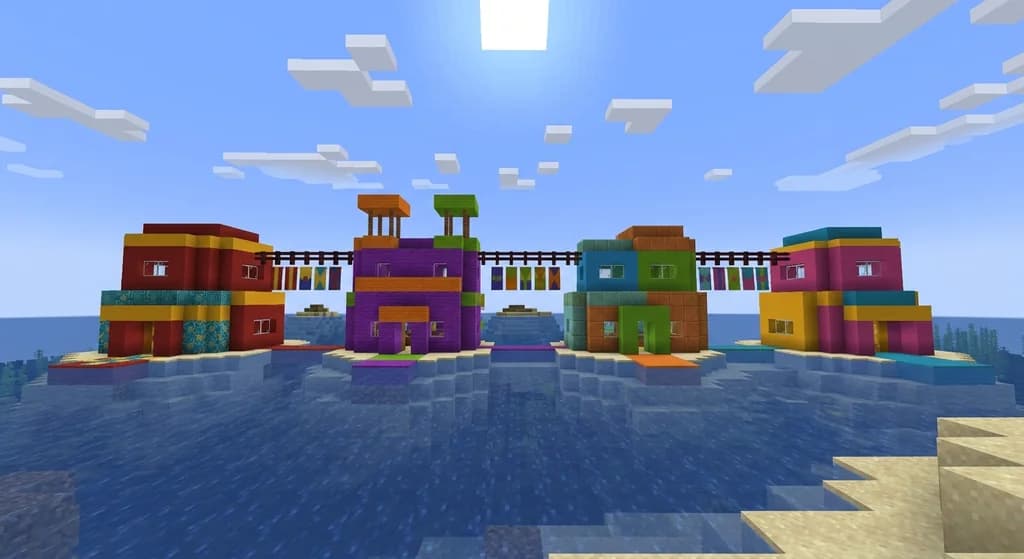
7 Best Triadic Block Palettes for Vibrant Minecraft Builds 2026
Discover the 7 best triadic block palettes for Minecraft builds in 2026. Master triadic color harmony with vibrant block combos, pro tips, and build...
How to Use Natural Palettes: A 2026 Minecraft Build Guide
Master natural Minecraft build palettes in 2026. Learn earthy block combinations, color harmony theory, and pro tips for stunning wilderness retreats.
Have a question or another approach?
Compare notes with other readers. Include your edition and version when discussing mechanics.