7 Best Terracotta Block Palettes for Colorful Minecraft Builds (2026)
Filed under Minecraft Build Palette & Block Harmony · How we create content
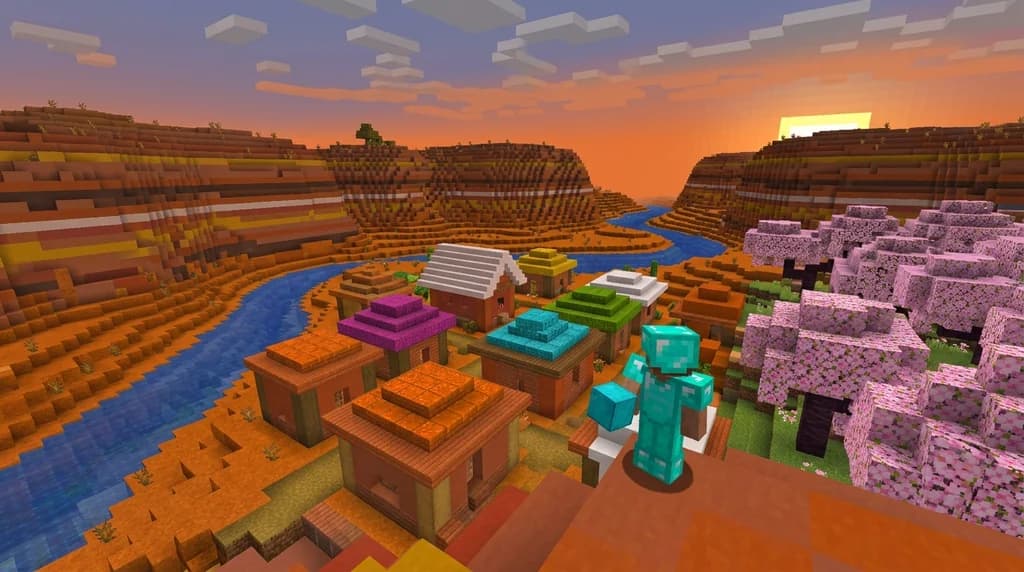
Key Takeaways
| Point | Details |
|---|---|
| Colorful builds stand out | Terracotta palettes add vibrant contrast that stone and wood alone cannot match. |
| 16 colors, infinite combos | Each of the 16 dyeable terracotta shades pairs with glazed variants and natural blocks for unique aesthetics. |
| Survival-friendly sourcing | Smelt clay from lush caves or riverbeds, then dye terracotta with renewable dyes from flowers and mobs. |
| Biome context matters | A palette that pops in a desert may look washed out in a taiga—test in your target environment. |
| Glazed terracotta adds texture | Rotated glazed blocks create directional patterns that break up flat walls without mods. |
| Competition-ready | Gaia Legends' creative server hosts terracotta build contests where you can earn exclusive rewards. |
Table of Contents
- What Is a Minecraft Terracotta Block Palette?
- Why Use Terracotta for Colorful Builds?
- 7 Best Terracotta Block Palettes for 2026
- How to Source Terracotta Blocks in Survival
- How to Put This Into Practice on Gaia Legends
- Conclusion
- Frequently Asked Questions
- Recommended
You’ve seen those builds on servers that instantly catch your eye — the ones that look like they were plucked from a painter’s palette, not just cobbled together from stone bricks and oak planks. The secret is often a well-chosen minecraft terracotta block palette. Terracotta, in all its 16 dyeable shades and glazed patterns, unlocks a level of color saturation that few other blocks can match. Whether you’re crafting a Mediterranean villa, a cyberpunk alley, or a whimsical cottagecore garden, the right clay block combinations turn a decent build into a masterpiece. This guide walks you through seven curated terracotta palettes for 2026, complete with complementary blocks, survival sourcing tips, and ways to test them before you commit.
What Is a Minecraft Terracotta Block Palette?
A terracotta block palette combines stained and glazed terracotta blocks with complementary building materials to create a unified color scheme for your Minecraft builds.
A minecraft terracotta block palette is a deliberate selection of blocks centered around terracotta — both the plain hardened clay and its dyed variants — paired with wood, stone, glass, and other textures that harmonize or contrast in a visually pleasing way. Unlike palettes built solely around neutral stones, terracotta brings pure, saturated hues that don’t fade with render distance, making it ideal for large-scale landmarks. There are 16 dyeable terracotta colors, each matching the standard Minecraft dye palette (via Minecraft Wiki). When you add the 16 glazed terracotta patterns introduced in 1.12, you get directional, animated-looking surfaces that can act as floor tiles, wall accents, or even pixel art (via Minecraft Wiki).
A good palette usually includes two or three terracotta shades plus a structural frame — think dark oak logs, quartz pillars, or deepslate tiles — and a neutral filler like sandstone or calcite. The goal is cohesion: every block should feel like it belongs. If you’ve ever used a palette generator to test combinations, you know how powerful a few swaps can be.
Why Use Terracotta for Colorful Builds?
Terracotta offers 16 vibrant, saturated colors that don’t fade with distance, making it ideal for builds that need to pop in any biome.
Terracotta’s biggest advantage is color fidelity. While wool and concrete also come in 16 colors, wool looks fuzzy and flammable, and concrete’s texture is almost too flat. Terracotta strikes a balance: a slightly rough, earthy surface that still reads as a solid color from afar. It’s also fireproof, unlike wool, so you can safely use it near lava or campfires.
For builders chasing a specific aesthetic, terracotta opens doors that stone palettes can’t. A cherry blossom build relies on pink terracotta to echo the wood, while a steampunk city might use brown and light gray terracotta as rusted metal substitutes. The block’s versatility is why it’s a staple in both cottagecore and futuristic styles.
7 Best Terracotta Block Palettes for 2026
These seven palettes pair terracotta with wood, stone, and other blocks to create distinct architectural styles, from Mediterranean to cyberpunk.
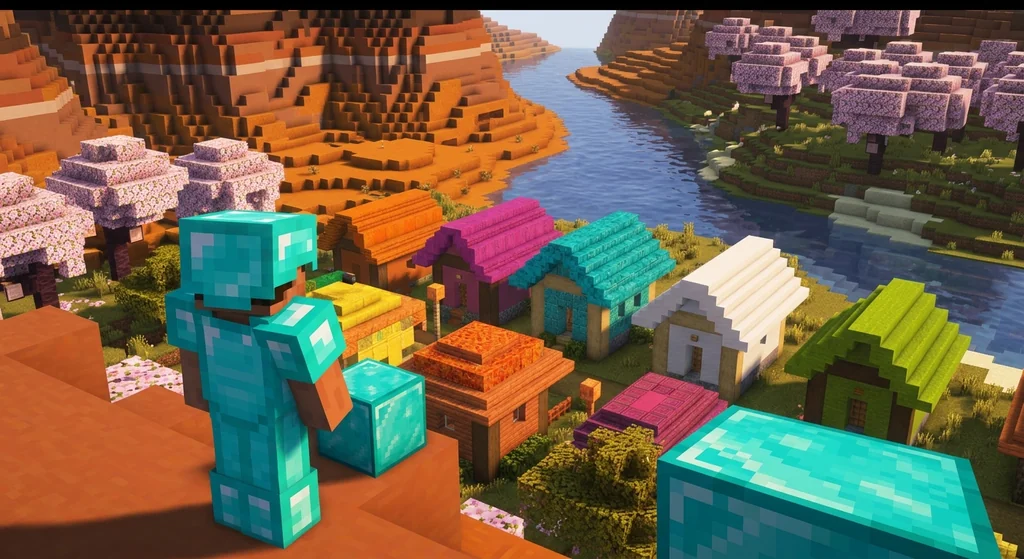
Each palette below includes a primary terracotta color, supporting blocks, and a quick note on where it shines. Mix and match within the same color family to add depth.
1. Mediterranean Sunset: Orange, White, and Sandstone
- Orange terracotta for roofs and accent walls
- White terracotta or calcite for main walls
- Smooth sandstone and sandstone stairs for trim
- Dark oak fences for balcony railings
This palette evokes coastal villas and desert towns. The warm orange contrasts beautifully with crisp white, while sandstone grounds the build in a natural, sun-baked feel. Use it in mesa biomes or near warm oceans for maximum immersion.
2. Enchanted Forest: Lime, Mossy Cobblestone, and Spruce
- Lime terracotta as a vibrant accent for roofs or banners
- Mossy cobblestone and mossy stone bricks for walls
- Spruce logs and spruce planks for framing
- Glow lichen and vine details
Lime terracotta pops against the muted greens and browns of a forest build, giving it a magical, overgrown feel. Pair with warm-tone spruce cabins to make the lime accents stand out even more.
3. Frozen Tundra: Light Blue, Packed Ice, and Quartz
- Light blue terracotta for icy highlights
- Packed ice and blue ice for structural coldness
- Quartz blocks and quartz pillars for columns
- Snow blocks and powder snow for terrain blending
Perfect for frostpunk-inspired bases, this palette reads as a frozen fortress. The light blue terracotta acts like glacial ice, while quartz adds a polished, almost futuristic edge.
4. Cyberpunk Alley: Magenta, Blackstone, and Sea Lanterns
- Magenta terracotta for neon-like accents
- Blackstone and polished blackstone bricks for walls
- Sea lanterns or shroomlights for glowing trim
- Iron trapdoors and chains for industrial details
Magenta terracotta’s intense hue mimics neon signs when backlit by sea lanterns. Combine with deepslate tiles for a rainy-night aesthetic that feels straight out of a sci-fi server.
5. Pastel Garden: Pink, Cherry Wood, and White Concrete
- Pink terracotta for soft, floral highlights
- Cherry planks and cherry logs for structure
- White concrete or white wool for clean backdrops
- Pink petals and azalea leaves for organic clutter
In Minecraft 1.20, cherry blossom wood introduces a new pink block that pairs beautifully with pink terracotta for pastel builds (via Minecraft Wiki). This palette is a natural fit for Japanese pagodas or fairy-tale cottages.
6. Nether Forge: Red, Blackstone, and Crimson Wood
- Red terracotta for lava-like glow accents
- Blackstone and gilded blackstone for walls
- Crimson stems and crimson planks for framing
- Magma blocks and shroomlights for ambient light
Red terracotta blends seamlessly into Nether builds, offering a less aggressive alternative to nether bricks. The blackstone provides blast resistance, making this palette survival-friendly in the Nether’s hostile environment.
7. Desert Oasis: Yellow, Sandstone, and Acacia
- Yellow terracotta for sun-bleached roofs
- Sandstone and cut sandstone for walls
- Acacia logs and acacia planks for warm wood tones
- Cacti and dead bushes for landscaping
Yellow terracotta adds a golden tint that standard sandstone can’t achieve alone. This palette thrives in desert villages and oasis builds, especially when contrasted with a splash of cyan terracotta for water features.
How to Source Terracotta Blocks in Survival
Terracotta is renewable: smelt clay balls from lush caves or riverbeds into terracotta, then dye them with any of the 16 dyes.
In survival, the most reliable way to get terracotta is to find a badlands (mesa) biome, where terracotta generates in massive layers of red, orange, yellow, brown, white, and light gray. However, if you don’t have a mesa nearby, you can craft it from scratch:
- Collect clay balls from lush caves, shallow water, or riverbeds. Smelting a clay block in a furnace yields one terracotta block, requiring 8 clay balls to craft a clay block (via Minecraft Wiki).
- Smelt clay blocks in a furnace to get plain terracotta.
- Dye the terracotta by placing 8 terracotta and 1 dye in a crafting grid. Crafting 8 terracotta with a dye yields 8 stained terracotta of that color (via Minecraft Wiki).
- For glazed terracotta, smelt stained terracotta again. Glazed terracotta blocks, introduced in 1.12, feature 16 unique directional patterns that can be rotated by placement (via Minecraft Wiki).
Pro Tip: Set up an automatic clay farm using a moss block and bone meal. When moss spreads, it can convert stone into moss, and using a hoe on moss blocks drops clay balls — a fully renewable source.
How to Put This Into Practice on Gaia Legends
Now that you have seven palettes and a sourcing plan, it’s time to build. On Gaia Legends, our creative server will host a terracotta build competition where players can submit their most vibrant creations for exclusive rewards. You’ll have access to unlimited terracotta in creative mode, so you can prototype any of these palettes without grinding for clay.
Gaia Legends also features a build showcase world where you can explore what others have made and vote for your favorites. The community’s feedback loop is fast: post a screenshot in Discord and you’ll get palette suggestions within hours. And if you’re more of a survival purist, our SMP world includes a vast mesa biome right near spawn, making large-scale terracotta projects feasible from day one.
Gaia Legends is free to join, non-pay-to-win, and supports Java + Bedrock crossplay. Join at gaialegends.pro and start your legend today.
Conclusion
Mastering terracotta palettes transforms your builds from generic to gallery-worthy — start with one palette and experiment with lighting and biome context.
- Terracotta’s 16 colors and glazed variants give you unmatched creative freedom without mods.
- Pairing terracotta with complementary woods and stones creates depth that monochrome palettes lack.
- Whether you’re building a Mediterranean villa or a cyberpunk alley, there’s a terracotta palette that fits.
Grab some clay, fire up your furnace, and try the Mediterranean Sunset palette tonight. You’ll be surprised how much a few orange blocks can change everything.
Ready to play? Join Gaia Legends today — no pay-to-win, Java + Bedrock crossplay.
- Java:
join.gaialegends.pro - Bedrock:
join.gaialegends.pro— Port19132
Frequently Asked Questions
What is a minecraft terracotta block palette?
A minecraft terracotta block palette is a curated set of blocks — primarily stained and glazed terracotta — combined with complementary materials like wood, stone, and glass to create a cohesive color scheme for a build. It leverages terracotta’s 16 saturated colors for vibrant, eye-catching designs.
How do you make terracotta in Minecraft?
Smelt a clay block in a furnace to get terracotta. Clay blocks are crafted from 4 clay balls, which you can find in lush caves, rivers, or by using a hoe on moss blocks. Once you have plain terracotta, combine 8 terracotta with a dye to get 8 stained terracotta of that color.
What blocks go well with terracotta?
Terracotta pairs well with natural woods like spruce and dark oak, stones like sandstone and deepslate, and bright accents like sea lanterns or quartz. The key is to match the terracotta’s warmth or coolness: orange terracotta loves sandstone, while light blue terracotta shines with packed ice and quartz.
Can you use glazed terracotta in survival builds?
Absolutely. Glazed terracotta is crafted by smelting stained terracotta, and its patterns can be rotated by placement. It’s ideal for floors, wall murals, or directional accents. In survival, you’ll need a steady supply of clay and dyes, but the results are worth the effort.
What is the best terracotta color for a modern house?
White, light gray, and cyan terracotta are top picks for modern builds. White terracotta mimics concrete but with a softer texture, while cyan adds a sleek, futuristic pop. Combine them with quartz and glass for a clean, minimalist look.
How do you get terracotta in Minecraft without a mesa biome?
Craft it from clay. Find clay balls in lush caves or shallow water, craft clay blocks, smelt them into terracotta, then dye them. You can also trade with mason villagers, who sell terracotta and glazed terracotta, making it renewable even without a badlands biome.
Related guides
7 Best Roofing Block Palettes for Minecraft Houses (2026)
Discover the 7 best Minecraft roof block palettes for 2026. From deepslate tiles to terracotta, learn which block combos create durable, beautiful roofs.
How to Build a Minecraft Bridge with 5 Block Palettes (2026)
Discover 5 stunning block palettes for Minecraft bridges in 2026. From rustic wood to nether luxury, learn how to pick blocks and build a pretty bridge...
How to Use the 60-30-10 Rule for Balanced Minecraft Builds (2026)
Learn how to use the 60-30-10 rule for Minecraft builds with simple layers: 60% dominant, 30% contrast, 10% accent for balanced bases.
How to Create Your Own Block Palettes in Minecraft (2026)
Learn how to create your own Minecraft block palettes in 2026. This step-by-step guide covers color theory, block combinations, and testing techniques for...
Have a question or another approach?
Compare notes with other readers. Include your edition and version when discussing mechanics.