Top Minecraft server community tips to boost engagement
Filed under Minecraft Tips & Tricks · How we create content
TL;DR:
- Running structured events and monitoring key engagement metrics are vital for maintaining a thriving Minecraft community.
- Server performance must be prioritized through optimization and reliable infrastructure before implementing complex engagement mechanics, ensuring a positive first experience for players.
Running a Minecraft server is easy. Keeping players coming back week after week is a different story entirely. Most servers spike in population during launch week, then watch participation crumble within a month because there's no strategy holding the community together. If you've felt that frustration of watching your Discord go quiet and your server slots empty out, you're not alone. This article walks you through a proven framework: from measuring what actually matters, to running events that build loyalty, to making sure your server is technically solid enough to support everything else you're building.
Table of Contents
- Set clear criteria and metrics for community engagement
- Run structured events, missions, and challenges
- Maintain server performance for smoother experience
- Implement server rules and code of conduct
- Why engagement mechanics matter but performance comes first
- Explore further resources and expert playbooks
- Frequently asked questions
Key Takeaways
| Point | Details |
|---|---|
| Layered engagement wins | Structured events and missions create lasting participation beyond ad-hoc play. |
| Reliability first | Server performance and smooth onboarding form the foundation for community growth. |
| Clear rules matter | Concise, accessible rules with code of conduct gates keep your community safe and civil. |
| Track retention | Monitor participation metrics to catch drop-offs early and adjust strategy. |
| Seek expert guidance | Use deep-dive playbooks and guides to implement proven engagement strategies. |
Set clear criteria and metrics for community engagement
With clear intent, the next step is to establish how you'll measure and define vibrant engagement. You can't improve what you don't track, and most server admins skip this step entirely. They focus on raw player counts and miss the deeper signals that actually tell you whether your community is healthy or quietly dying.
Start by identifying the metrics that matter most. Here are the core numbers every server owner should watch:
- Daily active users (DAU): How many unique players log in each day. A healthy server shows consistent DAU even outside of events.
- Weekly retention rate: The percentage of players from last week who returned this week. A drop below 40% is a warning sign worth investigating.
- Event participation rate: How many online players actually join your scheduled events. Low event participation usually means poor visibility or poor timing, not player apathy.
- Chat activity: Average messages per hour in your main chat channels. Silence is a symptom, not a cause.
- Session length: How long players stay logged in per session. Short sessions suggest the core gameplay loop isn't holding their attention.
Setting measurable objectives for each loop is what separates thriving servers from stagnant ones. For example, if your retention rate drops in week three of a new map, that's usually a signal that the secondary loop has nothing compelling to offer after players complete their starter base. Recognizing the pattern early lets you act before players fully disengage. Our community server playbook goes deeper on building these layered systems from the ground up if you want a full framework to follow.
Statistic callout: Servers that run at least one structured event per week see significantly lower two-week drop-off rates compared to servers that rely on organic, unstructured play alone.
Pro Tip: Track your participation week-to-week using a simple spreadsheet or your server dashboard. Compare event attendance against regular session counts. That ratio tells you more about community health than raw player numbers ever will.
Run structured events, missions, and challenges
Once your criteria are set, structured activities create the core loop that keeps players returning. This is where a lot of admins do the most good or cause the most harm. Ad-hoc events feel fun to organize but they're inconsistent, hard to promote in advance, and create unpredictable engagement spikes that don't build lasting habits. Structured events, on the other hand, train your community to show up.
Weekly events and custom quests are among the most effective tools for preventing the common "two-week cycle" drop-off, where new players explore excitedly and then quietly leave. The key is layering your activity calendar so there's always something accessible regardless of a player's progression level.
Here's what a well-layered event calendar looks like in practice:
- Daily missions: Short, completable tasks like "mine 64 iron ore" or "trade with three different players." These reward casual players and encourage them to log in even for short sessions.
- Weekly challenges: More involved objectives like a building contest with a community vote, a PvP bracket tournament, or a timed boss raid. These create mid-week buzz and give players something to discuss.
- Monthly tournaments: Larger-scale competitions with meaningful rewards. Gear, titles, cosmetic perks, or server currency work well. These are your engagement anchors.
- Seasonal events: Themed content tied to real-world seasons or in-game lore milestones. A Halloween haunted maze, a summer fishing festival, a winter gift-exchange event. Seasonal content generates nostalgia and gives returning players a reason to reconnect.
Here's a direct comparison between three approaches to server activities:
| Activity type | Predictability | Player habit-forming | Admin effort | Long-term retention |
|---|---|---|---|---|
| Ad-hoc events | Low | Weak | High | Poor |
| Structured events | High | Strong | Medium | Good |
| Challenge systems | Very high | Very strong | Low to medium | Excellent |
Challenge systems (persistent mission boards with rotating objectives) win on retention because players can engage on their own schedule. They don't require every player to be online at the same time. A well-designed mission board with tiered difficulty, visible rewards, and weekly refreshes acts like a living quest log that keeps the world feeling active even during off-peak hours.
One framework that translates beautifully into Minecraft settings is the approach described in immersive challenge design, where every challenge gives players a tangible stake and clear narrative context. When players understand why they're doing a challenge and not just what they're doing, engagement deepens considerably.
You can find a full breakdown of event formats and scheduling strategies in our server event ideas guide and a broader strategic framework in our community engagement guide.
"Events create rhythm. Rhythm builds habits. Habits build communities." This is the core principle we apply every time we redesign an engagement calendar for an underperforming SMP.
Pro Tip: Build a visible mission board in-game using signs, armor stands, or a custom plugin. Physical visibility in the server world reminds players during their regular sessions that objectives exist, without requiring them to check Discord or a website.
Maintain server performance for smoother experience
No engagement system will sustain itself without technical foundations to support seamless play. You can have the best event calendar in the community and still lose players permanently because of consistent lag, frequent crashes, or poor chunk loading. Performance is not a secondary concern. It is the floor everything else stands on.
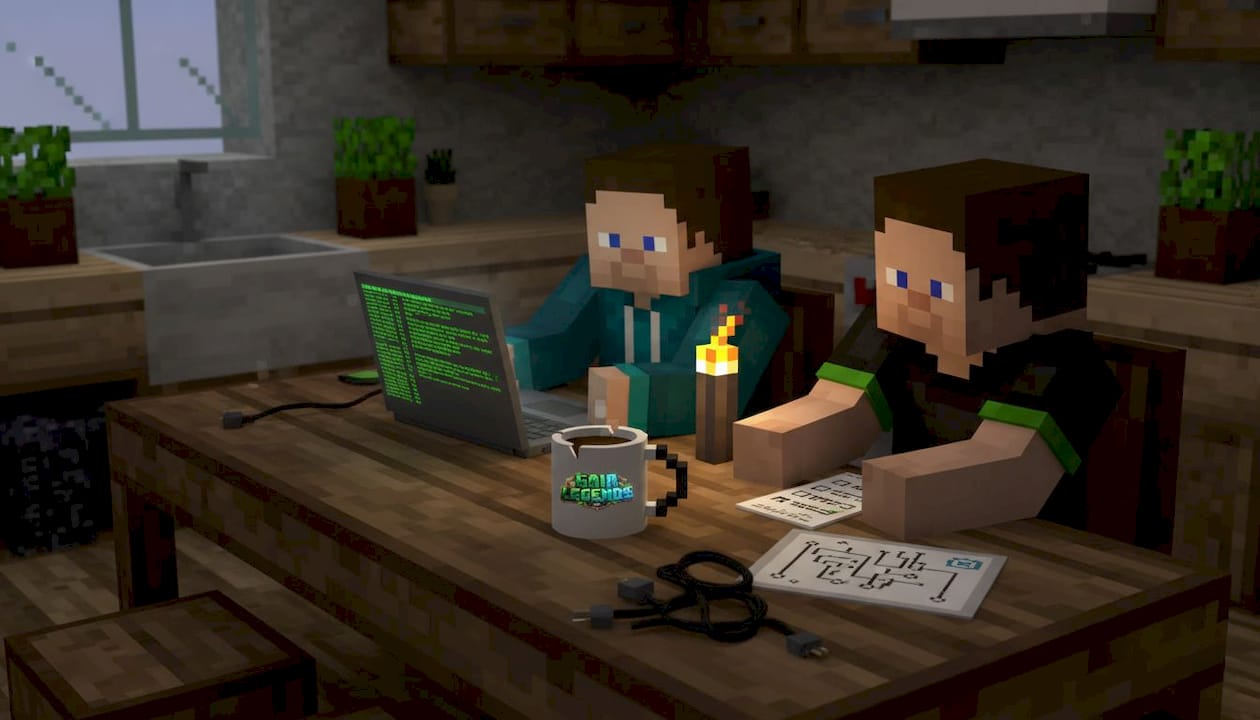
Dedicated administration with proper profiling and updating is what separates servers that scale past 50 concurrent players from those that plateau or fragment. PaperMC's admin documentation is one of the most practical resources available for server operators, and its approach to structured troubleshooting consistently outperforms basic trial-and-error methods.
Here's a step-by-step process for keeping your server performing well consistently:
- Profile before patching. Use PaperMC's built-in "/timings` command or Spark profiler to identify what's actually causing lag before you start removing plugins or changing settings. Guessing wastes time.
- Audit your chunk loading. Excessive preloaded chunks are one of the most common causes of TPS (ticks per second) drops. Use PaperMC's chunk settings in
paper.ymlto tune this for your player count. - Limit entity counts. Farms that produce thousands of mobs or dropped items are performance killers. Set per-chunk entity limits in your server config and communicate this to players with a clear rationale.
- Schedule restarts. Automated daily restarts (using a script or your hosting panel) clear memory leaks and keep TPS stable. Most players don't notice a 30-second restart if you schedule it during low-traffic hours.
- Monitor TPS in real time. Use a lightweight plugin like Spark to display TPS on your admin dashboard. Anything below 18 TPS is noticeable to players. Below 15 TPS, gameplay starts to feel broken.
- Update plugins regularly. Outdated plugins are a major source of both performance issues and security vulnerabilities. Build a monthly plugin review into your admin routine.
Here's a quick reference table for the most common performance problems and their solutions:
| Performance issue | Likely cause | Fix |
|---|---|---|
| TPS drops during peak hours | Too many entities or active chunks | Reduce entity caps, optimize chunk loading |
| Server crashes on player join | Plugin conflict or memory overflow | Profile with Spark, update or remove conflicting plugins |
| Lag spikes every few hours | Memory leaks | Schedule automatic restarts every 12 to 24 hours |
| High ping for distant players | Hosting location mismatch | Choose a hosting region closer to your player base |
| Slow world generation | Unoptimized world settings | Pre-generate chunks using Chunky plugin before opening the map |
For a deeper look at server optimization techniques, our reduce server lag guide covers these points with specific config values, and our roundup of performance mods highlights the tools that make the biggest practical difference. If you're setting up a new server from scratch, the setup guide walks through a solid technical foundation before you ever invite your first player.
Pro Tip: Schedule maintenance windows and announce them in your Discord at least 24 hours in advance. Transparent communication about downtime builds trust far faster than trying to hide technical problems. Players forgive planned downtime. They don't forgive unexplained crashes during an event.
Implement server rules and code of conduct
Clear guidelines and fair enforcement complement technical stability and engagement mechanics. A server with excellent performance and exciting events can still fall apart if toxic behavior goes unchecked or if players feel like the rules are arbitrary and inconsistently applied. Structure here protects your community's culture as much as your event calendar builds it.
The first principle is simplicity. Rules that run to 20 bullet points and require legal interpretation don't work. Players skim them or ignore them entirely. Effective server rules are concise, organized by category, and written in plain language. Aim for no more than 8 to 10 clear rules covering the major categories: respect, griefing, cheating, chat behavior, and economy fairness.
Minecraft's native Code of Conduct gate is one of the most underutilized tools in server administration. When you set enable-code-of-conduct=true in your server config, new players must accept your rules before they can interact with the world. This is a gate, not a suggestion. Players can't claim they didn't see the rules when they had to actively click through them. The same system supports multi-language fallbacks, which matters if your community draws players from regions where English isn't the first language. Accessibility in rule presentation reduces friction and increases compliance.
Here are the key structural tips for building rules that actually work:
- Use categories and headers. Group rules by topic (chat conduct, building rules, economy rules) so players can quickly find what applies to their situation.
- Write consequences alongside rules. Don't just state "no griefing." State "griefing results in a 7-day ban on first offense and a permanent ban on second offense." Specific consequences set clear expectations.
- Keep language neutral and direct. Avoid passive voice and legal hedging. "You will be banned" is clearer and more impactful than "banning may occur."
- Version your rules. Include a "last updated" date so players know the rules are maintained and current.
- Use the update gate for re-acceptance. When you update rules, Minecraft's Code of Conduct system can require existing players to re-accept the new version before continuing. This keeps your community aligned without requiring individual outreach.
You can integrate these rules structures with admin commands for moderation using our admin commands guide, which covers enforcement tools from temporary mutes to IP bans.
Pro Tip: After you update your rules, send a brief, friendly message to your community explaining what changed and why. Players who understand the reasoning behind rules are far more likely to follow them and flag violations to you, effectively turning your community into a self-policing network.
Why engagement mechanics matter but performance comes first
Having laid out the strategies, here's a hard-won perspective on where most admins should actually focus first.
We see the same pattern repeatedly in the Minecraft admin community. An enthusiastic server owner spins up a new map, builds a mission board, schedules weekly events, designs faction systems, and launches with excitement. Within three weeks, players start leaving. The events are running. The missions are visible. The Discord is active. But the server is lagging at 14 TPS on weekend evenings, and new players are experiencing a confusing spawn area with no clear onboarding path.
The engagement mechanics are doing their job. The foundation is failing.
Server reliability must come before complex engagement mechanics. Events and community culture are differentiators only after uptime and performance issues are fully resolved. This isn't a controversial take in theory, but in practice most admins treat performance as something they'll "fix later." Later almost always means after players have already left.
Think about it from a player's perspective. They join your server because a friend recommended it, or they saw it listed on a server directory. Their first session matters more than anything else you'll ever do for engagement. If that session includes rubber-banding, chunk loading delays, or a confusing spawn with no clear direction, they will not return for your Saturday build competition. Your event calendar is invisible to someone who had a bad first experience.
The servers that grow steadily share a specific quality: they are boring to administer during the early months. The admin team spends time on profiling, on optimizing configs, on testing the spawn experience repeatedly, on writing clear onboarding text, on making sure the first 20 minutes of play feel smooth and welcoming. That groundwork is invisible to players, which is exactly why it works. A smooth, invisible technical experience lets your actual engagement mechanics shine.
Our lag reduction guide is where we'd point any admin who feels the pull to run more events before fixing performance. Fix the floor first. Then build upward.
The other piece of this perspective is onboarding. Even a perfectly performing server will bleed new players if there's no clear path from spawn to first meaningful action. A short, well-designed tutorial area, a starter kit that gives players a foothold, and a visible rules/objectives area at spawn do more for Day 1 retention than any event system. Events retain players who are already invested. Good onboarding creates that investment in the first place.
Explore further resources and expert playbooks
For those ready to put these tips into practice, the right resources can make all the difference.
We've covered a lot of ground in this article, from defining your engagement metrics to building structured events, optimizing server performance, and creating enforceable rules. Each of these areas has a much deeper layer waiting to be explored. At Gaia Legends, we publish in-depth guides across all of these topics daily, grounded in real experience from managing an active SMP community and tracking what actually works across server types and player populations. Whether you're launching your first server or rebuilding a community that's lost momentum, our resources give you specific, actionable steps rather than vague principles. Start with the full community playbook for a structured approach to community building that covers everything from initial setup to long-term growth.
Frequently asked questions
How often should you run events on a Minecraft server?
Weekly or regular events are best for maintaining engagement and avoiding the common two-week drop-off cycle that hits most servers after the initial launch excitement fades. Consistency matters more than frequency.
What's the most important factor for sustained community growth?
Reliable server performance and smooth onboarding must come before adding complex engagement mechanics. Players who experience lag or confusing first sessions don't return to participate in your events.
How can I enforce rules without overwhelming players?
Keep rules concise and category-based, use Minecraft's Code of Conduct gate to require acknowledgment on join, and provide language fallbacks so players in all regions can understand the expectations clearly.
Is it worth running seasonal events on a small server?
Yes, absolutely. Seasonal spikes boost engagement even on smaller servers by creating memorable shared experiences and giving lapsed players a compelling reason to return and reconnect with the community.
Recommended
- 7 Best Minecraft Server Event Ideas to… | Gaia Legends
- How to Build a Thriving Minecraft Community… | Gaia Legends
- 5 Ways to Build a Minecraft Server… | Gaia Legends
- How to Build a Minecraft Community House:… | Gaia Legends
- Building a Strong Online Community for Brand Loyalty | Monstrous Media Group
Related guides
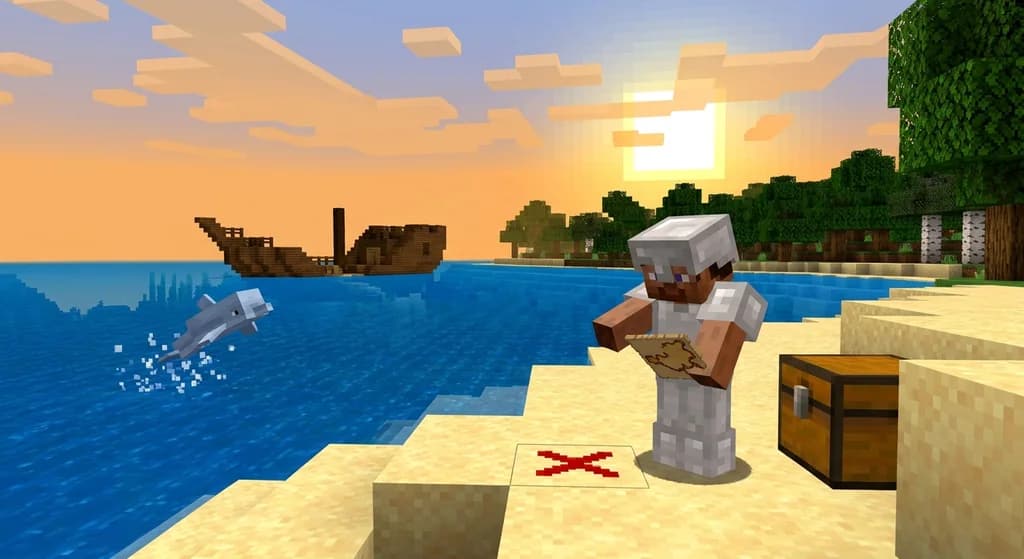
How to Find Buried Treasure in Minecraft 2026: Maps & Tips
Master how to find buried treasure in Minecraft with our 2026 guide. Find treasure maps in shipwrecks & ruins, follow the X, and collect rare loot like...
Minecraft Combat Tips That Win Every Fight in 2026
Master Minecraft combat tips to dominate every fight in 2026! Learn essential strategies for weapons, timing, and terrain to become unbeatable.
Minecraft Event Hosting Guide for Every Server Size
Master your next event with our Minecraft event hosting guide! Learn how to engage players, handle lag, and foster community growth.
Minecraft SMP dynamics: master multiplayer server play
Unlock the secrets of Minecraft SMP dynamics! Master multiplayer gameplay, navigate social strategies, and thrive in any server environment.
Have a question or another approach?
Compare notes with other readers. Include your edition and version when discussing mechanics.