7 Best Garden & Landscape Block Palettes for Minecraft 2026
Filed under Minecraft Build Palette & Block Harmony · How we create content
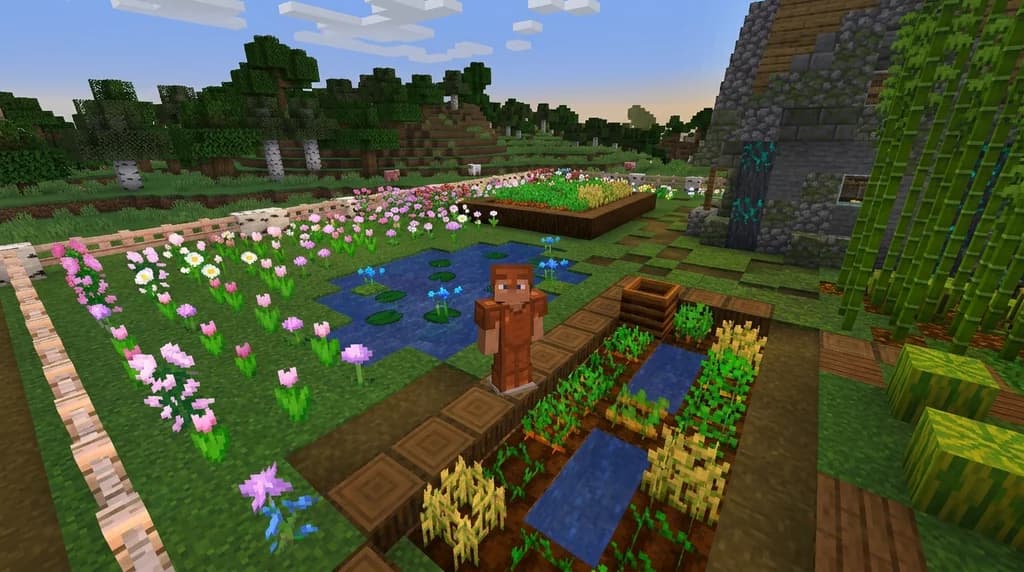
Key Takeaways
| Point | Details |
|---|---|
| Palette foundation | A garden block palette needs 4-7 blocks blending structure, foliage, and accents for visual depth. |
| Color matters | Warm tones like oak and terracotta invite coziness, while cool greens like spruce and moss evoke mystery. |
| Top pick | The Mossy Cottage palette uses mossy cobblestone, oak planks, azalea leaves, and glow lichen for a cozy, storybook look. |
| Layering rule | Use the 3-5-2 method—three main blocks, five filler plants, two accent highlights—to avoid clutter. |
| Functional beauty | Integrate composters, beehives, and dirt paths to make gardens feel alive and useful. |
| Showcase event | Gaia Legends players can win exclusive rewards by entering our monthly Garden Showcase with these palettes. |
Table of Contents
- What is a Minecraft Garden Block Palette?
- Why Do Colors Matter in Garden Landscaping?
- Top 7 Garden Block Palettes for 2026
- How to Combine Blocks for Depth in a Garden
- Tips for Creating Realistic Garden Landscapes
- How to Put This Into Practice on Gaia Legends
- Conclusion
- Recommended
- Frequently Asked Questions
With 13 different flower types and over a dozen wood variants, the right minecraft garden block palette transforms a flat grass patch into a breathtaking outdoor retreat. Yet too many builders default to the same tired cobblestone-and-oak combo, missing out on blocks that add life, depth, and personality. This post teaches you seven carefully balanced palettes that anyone can build in survival or creative, plus simple layering tricks even pros use. Whether you're landscaping a castle courtyard, a cozy cottage, or a grand server spawn, you'll leave with palettes that make every garden feel intentional.
What is a Minecraft Garden Block Palette?
A garden block palette is a curated set of 4-7 block types chosen for color harmony, texture contrast, and thematic consistency to make your outdoor builds feel alive and cohesive.
Unlike indoor building, garden palettes must balance hard structural blocks (stone, wood, terracotta) with soft organic ones (leaves, grass, flowers, moss). A good palette keeps a unifying color anchor—usually one or two neutral tones—and layers contrasting textures to guide the eye. The key is variation without chaos: too many colors and your garden reads as noise; too few and it feels sterile.
Most successful garden palettes include:
- A path or ground block (dirt path, coarse dirt, podzol, grass, or mud)
- Edging or structure blocks (fences, walls, slabs, or stairs in wood or stone)
- Foliage fillers (leaves, azalea bushes, moss, vines, bamboo, or sweet berry bushes)
- Accent flowers and light sources (flowers, glow lichen, sea pickles on dry land, lanterns, or candles)
By mixing these four categories, you create landscapes that look organic rather than blocky.
Why Do Colors Matter in Garden Landscaping?
Color creates mood: warm tones invite players to linger, while cool greens and blues mimic natural shade and depth, making your garden feel larger and more peaceful.
Minecraft foliage blocks adapt to the biome they’re in, so two identical gardens can look wildly different depending on location. Grass spreads to adjacent dirt blocks in a 3×3×3 area, turning bare dirt into vibrant green ground (via Minecraft Wiki). That means the base green tone of your grass is your garden’s true background—choose blocks that pop against it.
Warm-colored blocks like oak planks, orange terracotta, and glow berries draw the eye to focal points, making them perfect for garden entrances or seating nooks. Cool blocks like spruce, prismarine, or blue orchids recede, creating the illusion of distance and shadow. The best gardens juxtapose both, using warm accents sparingly so they feel welcoming, not overwhelming.
Pro Tip: When in doubt, build a tiny 3×3 mock-up of your palette next to your actual garden site before committing. You’ll see instantly if the grass tint clashes with your chosen woods or flowers.
Top 7 Garden Block Palettes for 2026
These seven palettes blend popular and underused blocks to give every garden a distinct personality, from sunlit meadow to mystical woodland.
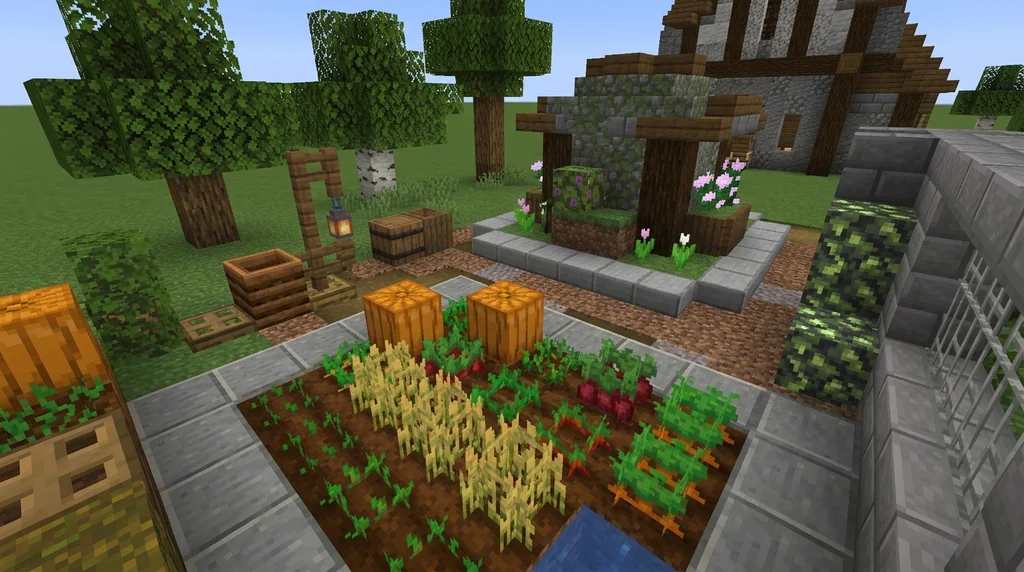
| Palette Name | Key Blocks | Vibe | Best Biomes |
|---|---|---|---|
| Mossy Cottage | Mossy cobblestone, oak planks, azalea leaves, glow lichen, coarse dirt | Cozy, storybook, slightly overgrown | Plains, Forest, Taiga |
| Flower Meadow | Grass, birch planks, allium, pink petals, bone meal, oak leaves | Bright, cheerful, wild | Plains, Flower Forest |
| Rustic Farm | Spruce logs, coarse dirt, hay bales, composter, pumpkin, dark oak fence | Earthy, productive, humble | Plains, Savanna, Tiaga |
| Overgrown Temple | Stone bricks, mossy stone bricks, vines, glow berries, cracked stone bricks, podzol | Ancient, jungle ruin, mystical | Jungle, Dark Forest |
| Tropical Retreat | Jungle planks, bamboo, melons, sea lanterns, blue orchids, sand | Vibrant, vacation-like, lush | Jungle, Beach, Warm Ocean |
| Cherry Blossom Walk | Cherry planks, pink petals, quartz slabs, light gray wool (as pebbles), birch leaves | Romantic, dreamy, soft | Cherry Grove, Meadows |
| Swamp Witch Garden | Mangrove planks, mud bricks, blue orchids, brown mushrooms, dead bushes, glow lichen | Mysterious, dark, magical | Swamp, Mangrove Swamp |
Mossy Cottage leans on weathered stone and dark wood. Azalea bushes double as filler and accent, while glow lichen on the underside of leaves adds subtle nighttime light. For even softer pastel accents, see our pastel block palette guide.
Flower Meadow takes advantage of bone meal’s massive spread: using bone meal on grass in a plains biome generates flowers in a 7×7 area (via Minecraft Wiki). Mix in birch fences and pink petals for a cottagecore feel.
Rustic Farm uses a practical twist—composters and hay bales aren’t just deco, they fuel a functioning farm. The rustic farm palette guide dives deeper into survival-friendly combos.
Overgrown Temple turns any rectangular structure into ancient ruins. Vines soften hard edges, and podzol underfoot signals a forgotten place reclaimed by nature. Pair with stone brick walls for ruined archways.
Tropical Retreat exploits jungle wood’s warm tone and melons’ vibrant green. Bamboo acts as a fast-growing vertical element that breaks up flat terrain. For more jungle-inspired palettes, check our jungle block palette post.
Cherry Blossom Walk uses quartz and pink petals to create a delicate, airy atmosphere. Light gray wool as loose gravel paths fits perfectly, while birch leaves fill tree canopies without overwhelming the soft palette.
Swamp Witch Garden embraces mud and mangrove’s earthy darkness. Dead bushes and brown mushrooms feel at home, and blue orchids provide a striking, almost magical contrast. This palette demands strategic lighting—lanterns on mud brick walls create an eerie glow.
How to Combine Blocks for Depth in a Garden
Layering plants, paths, and accent blocks using the 3-5-2 rule—three main structural blocks, five filler plants, and two accent highlights—makes gardens feel professionally designed.
Think of your palette as a stage. Structural blocks (fences, walls, path borders) are the set, filler plants are the actors, and accents are the spotlight. Here’s a quick texture reference:
| Texture Category | Examples | Best Use |
|---|---|---|
| Smooth | Quartz slabs, polished stone, white wool | Path edges, seating, modern accents |
| Rough | Cobblestone, mossy cobblestone, andesite | Retaining walls, borders, ruins |
| Organic | Leaves, azalea, moss carpet, vines | Soft coverage, color blending |
| Patterned | Terracotta, stripped logs, mud bricks | Ground detailing, focal points |
To layer effectively, start by outlining paths and beds with rough blocks, fill beds with organic blocks, and place smooth or patterned pieces only at focal intersections. This progression—rough edge, soft fill, refined accent—naturally guides the eye from one garden zone to the next.
Note: Overdoing the 3-5-2 rule with too many different woods can backfire. Stick to one or two wood types per garden to keep the palette cohesive. If you’re adding a greenhouse or garden shed, stained glass windows can add elegant color without breaking your block budget—see our stained glass window palette guide.
Tips for Creating Realistic Garden Landscapes
Realism comes from varied heights, imperfect symmetry, and mixing functional blocks like composters and beehives with decorative plants to simulate a lived-in outdoor space.
Real gardens aren’t flat grids. Use uneven elevation—a one-block rise in a flower bed, a sunken pond, terraced planters—so the landscape has natural contours. Dirt paths prevent grass spread but still allow flower growth, perfect for walkways (via Minecraft Wiki).
- Scatter, don’t grid: Use the randomized bonemeal approach; manually break excess flowers to avoid uniform patches.
- Add utility: A composter next to your crops or beehives near flowers adds life. Bees pollinate flowers up to a 17-block range from their hive, slowly filling honey levels (via Minecraft Wiki).
- Create vignettes: A bench with a lantern, a frog under a lily pad, a small waterfall into a pond—these tableaus reward players who slow down and look.
Warning: Don’t overload a small yard with too many decorative blocks. A cluttered garden reads as messy, not lush. Pick one focal vignette and let the rest support it.
For builders who love pattern-based planting, arranging flowers in pixel-art motifs can turn a simple bed into a mosaic. Our pixel art palette post covers block choices for detailed designs.
How to Put This Into Practice on Gaia Legends
On Gaia Legends, theory becomes real. Our monthly Garden Showcase event invites players to submit their best garden builds, and every entry gets community votes. The rewards are worth the shovel time: rare garden-themed trophies, custom cosmetics, and in-game currency to spend at the server’s cosmetic shop.
Gaia Legends is free to join, non-pay-to-win, and supports Java + Bedrock crossplay. Whether you’re a solo landscaper or want to collaborate on a massive server garden with friends, you’ll find a welcoming community that loves outdoor builds as much as you do.
Join at gaialegends.pro and start your legend today.
Conclusion
A purposeful minecraft garden block palette transforms any outdoor space from forgettable to unforgettable. Remember these core points:
- Select 4-7 blocks that combine structure, foliage, and a unifying color anchor for your garden’s vibe.
- Layer with the 3-5-2 method: three structural blocks, five filler plants, two accent highlights.
- Put your palette to work on a server like Gaia Legends, where the monthly Garden Showcase turns building into friendly competition and rewards.
Now grab a shovel, try one of these palettes in your next world, and watch that patch of empty grass bloom.
Recommended
- How to Dismantle Custom Items for Crafting Materials on Minecraft Servers (2026) | Gaia Legends
- How to Set Up Anti-Griefing Measures on Minecraft Servers (2026) | Gaia Legends
- How to Defeat the Creaking in Minecraft 2026: Complete Combat Guide | Gaia Legends
- How to Choose Between Prison and Skyblock Servers in Minecraft 2026 | Gaia Legends
Ready to play? Join Gaia Legends today — no pay-to-win, Java + Bedrock crossplay.
- Java:
join.gaialegends.pro - Bedrock:
join.gaialegends.pro— Port19132
Further reading
These references were recorded with the article; specific claims have not been matched to source excerpts.
Frequently Asked Questions
What is the best minecraft garden block palette for a beginner?
The Flower Meadow palette is the friendliest starting point. It uses only six common blocks: grass, birch planks, allium, pink petals, bone meal, and oak leaves. You can assemble it in early-game survival and expand by bonemealing flowers in a 7×7 area. It’s bright, forgiving, and always looks cheerful.
How many blocks should I put in a garden palette?
Aim for 4-7 blocks total. Any fewer and your garden feels bare; any more and it becomes visually noisy. Three structural blocks (path, border, and a building material), plus filler foliage and two accent highlights, gives you enough contrast without creating chaos.
Do garden palettes change depending on the biome?
Yes, because grass and leaf colors shift per biome. A palette built for plains might look dull in a swamp or too vivid in a desert. Always test your palette on the actual biome’s grass. The Swamp Witch Garden palette, for example, was designed specifically to work with murky swamp greens.
Can I use modded blocks in these palettes?
The palettes were created purely with vanilla Minecraft blocks to work on any server, including Gaia Legends. If you use modded blocks like those from Biomes O’ Plenty, you can adapt the color principles but should test them in context. Vanilla blocks guarantee crossplay compatibility.
How can I make my garden look more natural and less blocky?
Break symmetry, add elevation changes, and mix leaf types. Use bone meal to randomize flower placement, then manually remove any clusters that feel too uniform. Placing dirt paths, moss carpet, and bamboo in uneven patches softens hard block edges significantly.
What are the best light sources for a garden at night?
Glow lichen, sea lanterns hidden behind leaves, candles placed on fences, and shroomlights are all great. Avoid torches on the ground—they look out of place. Glow berries hanging from azalea leaves offer both light and organic shape, fitting the Mossy Cottage and Overgrown Temple palettes especially well.
Related guides
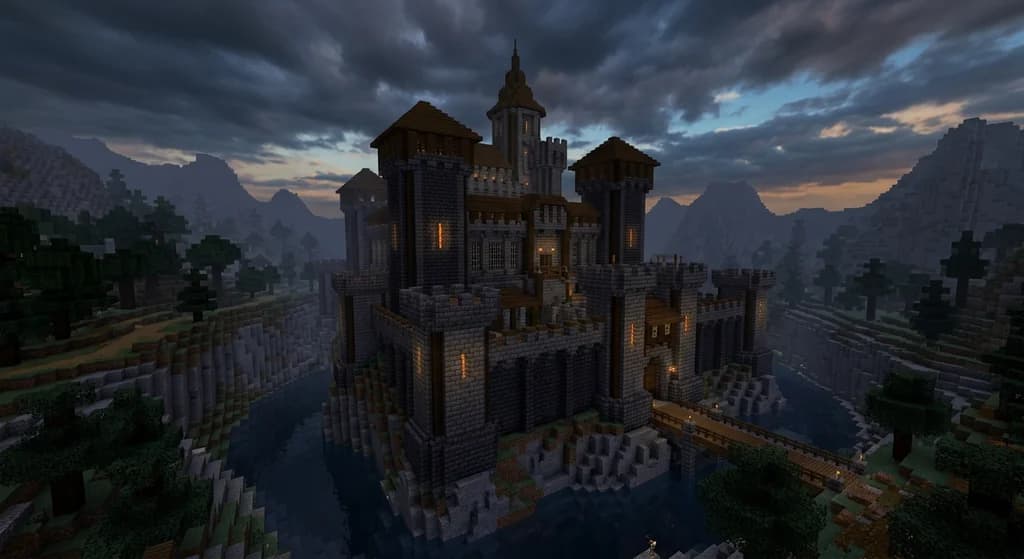
7 Best Castle Minecraft Build Palettes for Epic Fortresses 2026
Master the best castle Minecraft build palettes for 2026. 7 expert stone brick block combos, medieval design tips, and block harmony secrets for epic...

Best Block Palettes for Underwater Bases in Minecraft
Build a stunning underwater base with the best block palettes for ocean builds. From prismarine to copper, find the perfect aquatic block combinations here.
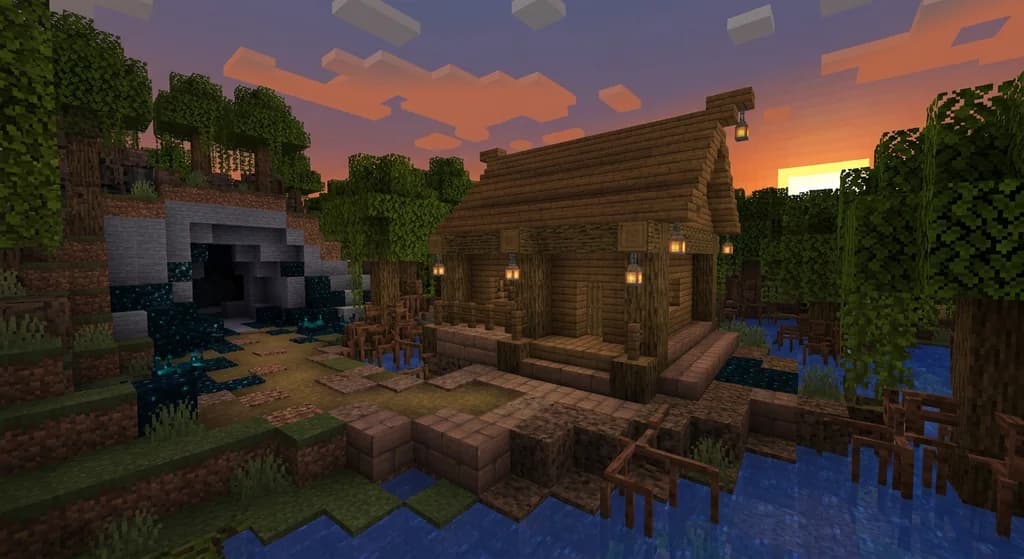
Creative Block Combinations from The Wild Update for Building
Discover six block palettes from The Wild Update: mangrove wood, mud bricks, sculk, and froglight combos for your next Minecraft build.
Froglight: The Brightest Light Block in Minecraft
Discover why the froglight is Minecraft's brightest light block. Learn how to get all three froglight colors, their unique melting properties, and the best ways to use them in your builds.
Have a question or another approach?
Compare notes with other readers. Include your edition and version when discussing mechanics.