Minecraft SMP dynamics: master multiplayer server play
Filed under Minecraft Tips & Tricks · How we create content
TL;DR:
- Most SMP servers function as complex social ecosystems featuring kill-based power systems, player-driven economies, and faction warfare, not just simple shared survival worlds. Understanding plugins, economy dynamics, and community trust is essential for thriving, as relationships and reputation drive long-term success. Seasonal cycles and active moderation sustain engagement, emphasizing social capital over mere gameplay mechanics.
Most players jump into an SMP server expecting a shared survival world where everyone mines, builds, and occasionally trades. What they actually find is something closer to a living social experiment, where minecraft smp dynamics include kill-based power systems, player-run economies, territorial warfare, and community politics that can rival any strategy game. If you have ever felt lost on a server because you did not understand why someone raided you, why the economy felt rigged, or why certain players held so much influence, this guide breaks it all down clearly so you can stop reacting and start playing with purpose.
Table of Contents
- Understanding core SMP mechanics and server mods
- Economy and trading dynamics in SMP servers
- Player power, land claims, and faction warfare
- Community trust and seasonal cycles in thriving SMPs
- Comparing SMP server styles: combat, economy, and trust-based play
- Our take: the social layer is the real game
- Take your SMP experience further with Gaia Legends
- Frequently asked questions
Key Takeaways
| Point | Details |
|---|---|
| SMP complexity | Minecraft SMP dynamics blend combat, economy, social trust, and seasonal design for rich multiplayer experiences. |
| Custom mechanics | Unique server mods and kill-based systems create diverse and competitive gameplay styles. |
| Economy influence | In-game economies using custom currencies fuel player progression and social influence. |
| Community trust | Strong moderation and seasonal resets build lasting server communities. |
| Server styles | Combat, economy, and trust-based SMP styles each offer distinct multiplayer dynamics and player experiences. |
Understanding core SMP mechanics and server mods
The foundation of any SMP experience is the server's plugin and mod stack. Vanilla survival gives you hunger, mobs, and crafting. SMP servers take that skeleton and build something completely different on top of it. How SMP mechanics shape gameplay depends almost entirely on which plugins the server owner has installed, because those define the rules of the world you are living in.
One standout example is combat-focused servers like Strength SMP, where custom weapons shift gameplay toward kill-based progression. The server uses six custom weapons and a unique "Strength Sword," meaning your power literally grows as you eliminate other players. That single mechanic changes how every player behaves. You are no longer farming diamonds for gear. You are hunting players for power. Alliances form fast, betrayals happen faster, and the social layer becomes as important as combat skill.
Here is what server modifications typically add to the experience:
- Custom weapons and tools that change combat pacing and strategy
- Kill or progression trackers that reward aggressive or cooperative play styles
- Custom enchantment systems that go far beyond vanilla options
- Rank and prestige systems tied to in-game achievements or playtime
- Unique mob events and boss encounters that encourage group cooperation
- Anti-cheat and economy plugins that keep the server balanced and fair
Understanding what plugins are running on your server is not optional if you want to thrive. Read the server rules page, explore the help commands, and ask experienced players what systems are active. Adapting to the mechanics early is the difference between thriving and feeling like you are always one step behind.
Economy and trading dynamics in SMP servers
A server economy is one of the most underestimated systems in all of minecraft multiplayer dynamics. Many newer players ignore it entirely until they realize that the wealthiest players on the server are also the most powerful ones, not because they are the best fighters, but because money buys everything else.
DonutSMP runs a mature in-game economy built around custom currency used for shops, land purchases, event entry, and broader server influence. This is not a simple "sell items to an NPC" setup. Players build shops, compete for market share, control resource prices, and use their wealth to claim land and enter competitive events. Wealth becomes a social status symbol as much as a gameplay advantage.
Here is how players typically generate income on economy-focused SMP servers:
- Farming rare resources like diamonds, ancient debris, or custom drops and selling them at market price
- Running player shops stocked with goods that are consistently in demand
- Completing server tasks or bounties that reward currency for specific achievements
- Winning PvP events or tournaments with currency prizes
- Trading services like building, escorting, or crafting for other players
Pro Tip: Watch the server's player shop prices for one full day before you start selling. New players almost always undersell their goods because they do not know what the market values are. Price awareness alone can double your early income.
The table below compares common income methods across economy-driven SMP servers based on effort and return:
| Income method | Effort level | Currency return | Risk level |
|---|---|---|---|
| Resource farming | Medium | Medium | Low |
| Player shop ownership | High (setup) | High (ongoing) | Low |
| PvP tournaments | High | High | High |
| Server tasks and bounties | Low to medium | Low to medium | None |
| Trading services | Variable | Variable | Low |
The best items to sell on SMP servers shift with the season and the server's progression stage. Early in a season, basic materials sell fast. Late in a season, rare drops and custom items dominate. Reading that cycle is a genuine competitive edge.
Player power, land claims, and faction warfare
Faction mechanics are where minecraft smp dynamics get genuinely intense. If you have never played a factions server and suddenly joined one, the learning curve feels steep. But the core logic is straightforward once you understand it.
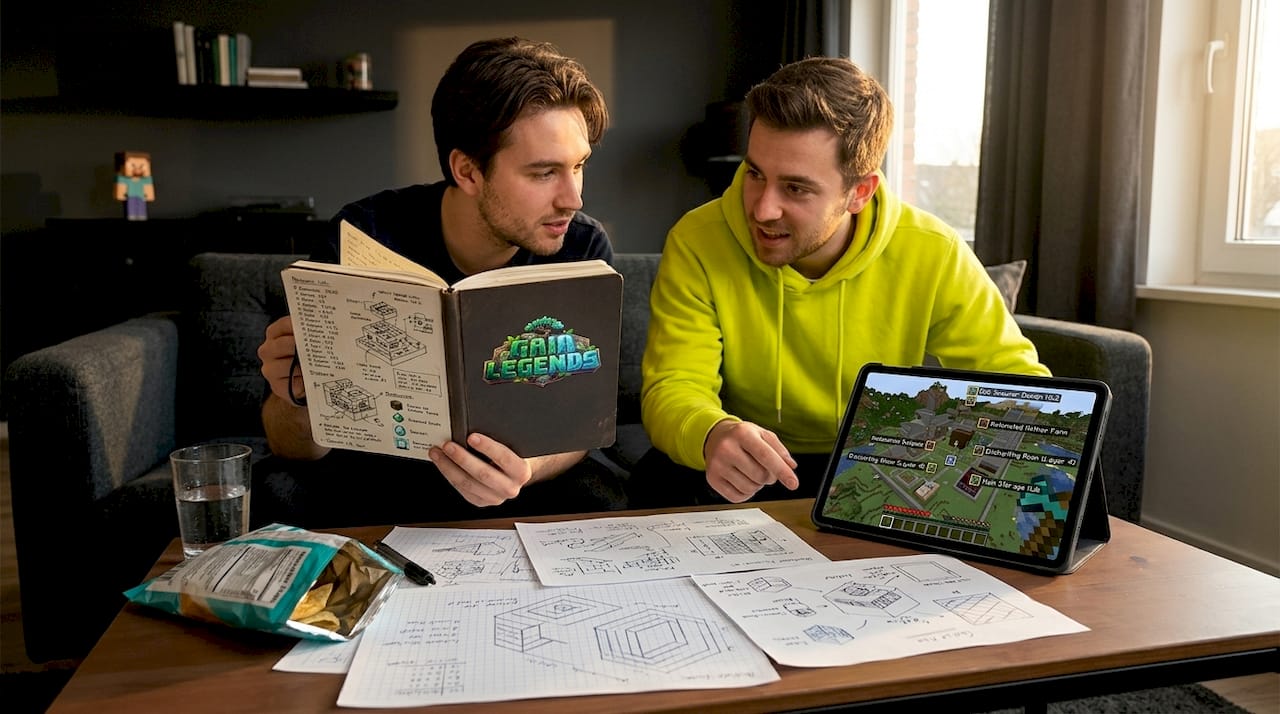
Faction power determines land claims, and every death reduces your power score. When your faction's total power drops below the number of chunks you have claimed, those chunks become vulnerable to "overclaiming" by enemy factions. Enemies can literally steal your land by walking in and claiming it. That mechanic alone creates enormous pressure around every PvP engagement.
Here is a step-by-step breakdown of how faction dominance works in practice:
- Build your faction's power by keeping members alive and active, since power regenerates over time when players are online
- Claim chunks strategically, starting with your base and expanding outward only when your power safely covers more land
- Protect your power buffer by never claiming more land than your power can support, because losing members to raids immediately exposes your base
- Design your base for raid resistance, including buffer chunks, layered walls, and anti-TNT cannon positioning
- Coordinate attacks on weakened enemies, targeting factions that have recently lost members and whose power has dropped below their land claims
- Use TNT cannons during raids to breach walls from a safe distance rather than charging in directly
Pro Tip: Keep a small group of your faction online during server peak hours specifically to maintain power. A faction with five active players and fifteen offline members is extremely vulnerable if those offline members log back in after dying during an unexpected raid.
Factions also develop informal social hierarchies over time. The most powerful factions attract recruits, which builds more power, which allows more land claims. Understanding SMP leveling and prestige mechanics on your specific server helps you identify which players and factions have invested the most time and therefore carry the most weight socially and militarily.
Community trust and seasonal cycles in thriving SMPs
Here is something most guides skip: the social infrastructure of a well-run SMP is what keeps players logging in week after week, not the plugins. You can have the most creative plugin stack in the world, but without thoughtful community management, the server empties out within a month.
Healthy SMPs run seasonal cycles every three to six months, with partial resets that preserve towns and player stats while refreshing the map and resource availability. This is a genuinely clever design choice. A full reset frustrates loyal players who feel their progress was erased. No reset at all makes the world feel stale and exhausts resources near spawn. The partial reset threads that needle by keeping player identity intact while giving everyone a reason to explore again.
What separates thriving SMP communities from short-lived ones comes down to these factors:
- Active and fair moderation that handles disputes quickly without favoritism, which is the single biggest trust-builder on any server
- Regional server hosting that keeps latency low, since nothing kills community enthusiasm faster than rubber-banding during a PvP fight
- Clear communication from admins about upcoming changes, seasonal resets, and new features before they happen
- Player recognition systems like leaderboards, monthly awards, or highlighted community builds that make players feel valued
- Regular community events that bring factions and solo players together around a shared goal
The table below shows how different community management approaches affect server longevity:
| Management style | Player retention | Drama frequency | Server lifespan |
|---|---|---|---|
| Hands-off admin | Low | High | Short (weeks to months) |
| Active moderation + events | High | Low | Long (multiple seasons) |
| Pay-to-win economy | Medium short-term | Medium | Medium (1 season) |
| Fair economy + seasonal resets | High | Low | Long (years) |
Building a thriving SMP community takes consistent effort from both admins and players. If you are a regular member, your behavior contributes to that culture directly. The players who help newcomers, participate honestly in events, and avoid griefing drama tend to become the social pillars the server revolves around.
Comparing SMP server styles: combat, economy, and trust-based play
Not all SMP servers want the same thing from their players, and understanding the three main styles makes it much easier to find your home server or contribute meaningfully to the one you are already on.
Here is a side-by-side comparison of the dominant SMP styles:
| Server style | Core focus | Key mechanic | Ideal player type | Main downside |
|---|---|---|---|---|
| Combat SMP | Kill progression | Kill-to-power systems | Competitive PvP players | Discourages casual builders |
| Economy SMP | Wealth and trade | Custom currency, player shops | Traders and strategists | Can favor early joiners |
| Trust-based SMP | Community respect | No formal land claims | Builders and community lovers | Vulnerable to griefers |
Combat-focused SMPs like Strength SMP reward aggression and skill. The social dynamics here revolve around reputation. A player who wins most fights becomes someone others avoid or try to befriend for protection. Alliances shift constantly. The drama is real and often entertaining, though it can feel exhausting for players who just want to build.
Economy-driven SMPs like DonutSMP create a different kind of competition. Wealth is influence. The best market position goes to whoever establishes a shop early and stocks it consistently. These servers reward planning and patience more than raw combat skill, which makes them welcoming to a broader range of players.
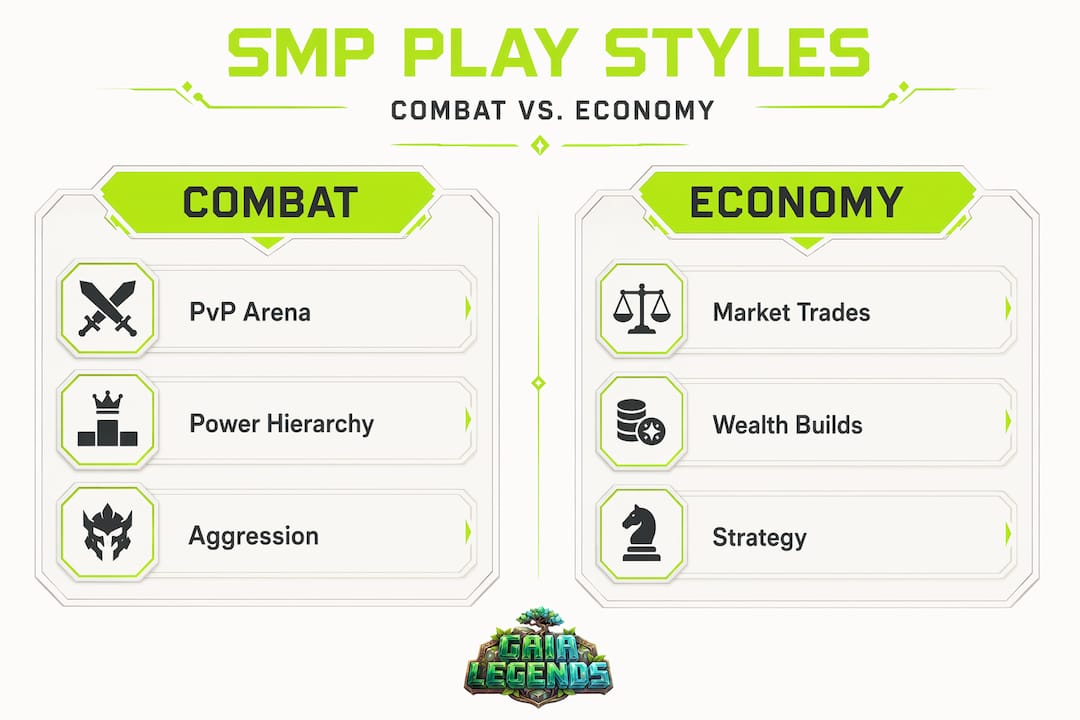
Trust-based SMPs remove formal land protection entirely. Your builds survive because your neighbors respect them, not because a plugin prevents interference. This sounds fragile, and it is without good moderation. But when it works, it produces the most collaborative play in minecraft environments you will find anywhere. Players design interconnected towns, shared farms, and public infrastructure because cooperation genuinely benefits everyone.
Here are the key questions to ask before committing to an SMP style:
- Do you enjoy PvP competition and can handle losing progress to more skilled players?
- Do you prefer economic strategy and long-term planning over direct combat?
- Do you value creative freedom and community trust over competitive rankings?
- How much time can you invest weekly, since economy and combat servers demand more active engagement?
Planning community events for SMP servers works best when the event fits the server's style. A combat tournament fits a combat SMP naturally. A building contest fits a trust-based server. Mismatching the event type creates friction because it pulls players out of the experience they signed up for.
Our take: the social layer is the real game
Having managed a 200-player SMP server, here is what we genuinely believe most players miss. The mechanics are the easy part. The hard part, and the rewarding part, is the social layer underneath them.
Most SMP guides focus on gear, plugins, and strategies as if the server is a single-player game with extra people in it. It is not. The dynamics of minecraft servers are driven by relationships, reputation, and the stories that emerge from player interaction. The best moments on any SMP do not come from a perfect raid strategy. They come from an unexpected alliance, a betrayal that half the server witnessed, or a community project that nobody planned but everyone contributed to.
Here is the uncomfortable truth: the players who thrive long-term on SMP servers are not always the best fighters or the richest traders. They are the ones who build genuine social capital. They know names. They remember who helped them when they were new. They show up for community events even when there is no direct reward. That kind of reputation is harder to build than a max-level faction base, and it is almost impossible to destroy once you have it.
We also want to push back on the idea that seasonal resets are a loss. Every reset is an opportunity to apply everything you learned in the previous season with a fresh start. Players who thrive across multiple seasons are not lucky. They are carrying forward knowledge, relationships, and strategy that no reset can wipe. That accumulated understanding is the real progression system in any long-running SMP, and it belongs entirely to you.
Take your SMP experience further with Gaia Legends
If this guide sparked your interest in understanding server systems at a deeper level, you are in exactly the right place.
Frequently asked questions
What are the main factors driving Minecraft SMP server dynamics?
Key factors include combat systems, in-game economies, land claiming mechanics, social trust, and seasonal events, and server communities in 2026 combine all of these to create layered, engaging player interactions.
How does kill-based progression affect SMP gameplay?
Kill-based progression adds a competitive combat layer where players gain strength through kills, encouraging alliances and rivalries. The Strength SMP kill-to-gain system is a clear example of how this mechanic shifts the entire focus of server life toward combat reputation.
What role does the economy play in SMP servers like DonutSMP?
The economy governs player progression by using custom currencies for buying land, shops, and event entry, making wealth a form of influence that extends far beyond gear. DonutSMP's custom currency is central to shops, land purchases, and server events in exactly this way.
Why are seasonal resets important for SMP servers?
Seasonal resets refresh resource availability and map features while preserving player progress, maintaining interest and community identity over time. Partial seasonal resets keep SMP worlds fresh without erasing the player identity that gives long-term members a reason to stay.
Recommended
Related guides
How to Obtain Mending in Minecraft
Learn how to get Mending in Minecraft. Discover the best methods: trading with librarian villagers, fishing, and looting chests. Includes mechanics and...
How to Use the Trident in Minecraft: Riptide, Channeling & Impaling
Learn how to use the trident in Minecraft with our quick reference guide. Covers Riptide, Channeling, Impaling enchantments, throwing mechanics, and...
How to Find Buried Treasure in Minecraft 2026: Maps & Tips
Master how to find buried treasure in Minecraft with our 2026 guide. Find treasure maps in shipwrecks & ruins, follow the X, and collect rare loot like...
Minecraft Combat Tips That Win Every Fight in 2026
Master Minecraft combat tips to dominate every fight in 2026! Learn essential strategies for weapons, timing, and terrain to become unbeatable.
Have a question or another approach?
Compare notes with other readers. Include your edition and version when discussing mechanics.