How to Master Blaze Routing in Minecraft Speedruns (2026 Guide)
Filed under Speedrunning & Competitive Minecraft · How we create content
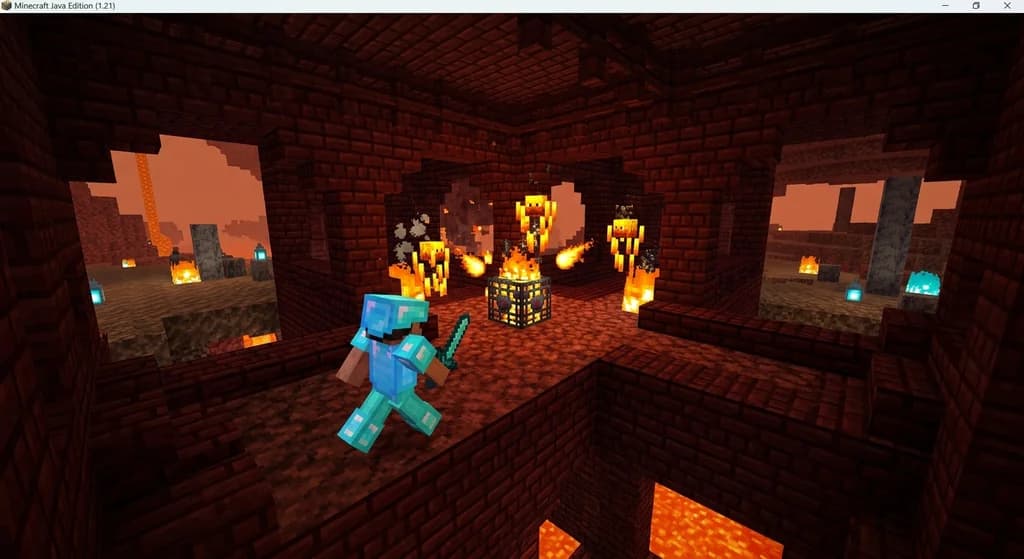
Key Takeaways
| Point | Details |
|---|---|
| God spawners are identifiable by cross intersection placement and clear line-of-sight | learn to spot one on entry. |
| The 3-rod minimum strategy is now standard | any pro runner only needs 3 blaze rods before leaving the fortress. |
| Zero-cycle timing lets you kill a blaze before it fires | saving ~4 seconds per kill and preventing damage trades. |
| Routed fortress practice on | Routed fortress practice on a dedicated map can cut your average blaze split by 20–30 seconds in two weeks. |
| Blaze routing is the | Blaze routing is the single highest-impact split to improve for any runner stuck between sub-20 and sub-15. |
Table of Contents
- What Is Blaze Routing in Minecraft Speedruns?
- How Do You Identify a Good Blaze Spawner Quickly?
- How to Execute Zero-Cycle Blaze Kills
- The 3-Rod Minimum Strategy: Why It Became Standard
- Common Blaze Routing Mistakes That Kill Paces
- How to Practice Blaze Routing Efficiently
- How to Put This Into Practice on Gaia Legends
- Conclusion
- Frequently Asked Questions
- Recommended
Every sub-15 Minecraft speedrun has one thing in common: a clean blaze split. Blaze routing is the silent run-killer. You can nail your bastion routing, build a perfect portal, and still hemorrhage 45 seconds in the fortress because you don't have a practiced blaze route. The difference between an 18-minute pace and a world-record pace lives in three blaze rods and how quickly you get them. This guide breaks down the exact techniques, spawner identification, and practice drills that separate top runners from the frustrated pack.
What Is Blaze Routing in Minecraft Speedruns?
Blaze routing is the practiced decision-making process of entering a nether fortress, identifying an optimal blaze spawner, and collecting 3–6 blaze rods with maximum speed and minimum risk — it is the single most variable and reset-prone split in any% speedruns.
Blaze routing isn't just killing blazes. It's an entire micro-discipline within the nether phase. The moment you step foot in a fortress, your brain has to run a checklist: spawner location, spawner type, mob density, fortress layout, and your current resources (blocks, weapon, health). Top runners complete this mental evaluation in under 3 seconds.
The term gained prominence around the 1.16 speedrun meta, when bastion routing redefined the nether segment and fortress time became the bottleneck. Since blazes only spawn from spawners in nether fortresses (via Minecraft Wiki), the run hinges on finding a spawner that's both accessible and fast. A bad spawner — tucked in a dead-end hallway with wither skeletons flooding the approach — can add 40 seconds or more. A god spawner at a cross intersection can be cleared in 15 seconds flat.
Pro Tip: The fastest runners don't just react to what the fortress gives them. They enter every fortress with a pre-mapped mental model of where spawners are likely to be, based on fortress generation. This is why dedicated practice maps are so valuable — they build pattern recognition.
How Do You Identify a Good Blaze Spawner Quickly?
The single best predictor of a fast blaze split is whether the spawner sits at a cross intersection with unobstructed lines of sight in all four directions — these "god spawners" let you manipulate mob pathing and avoid wither skeleton pressure.
Not all spawners are created equal. Here's the hierarchy most runners use the moment they see a spawner cage:
| Spawner Type | Location | Estimated Clear Time | Risk Level |
|---|---|---|---|
| God Spawner | 4-way cross intersection | 15–25 seconds | Low |
| Hallway Spawner | Straight corridor with 2 open sides | 25–35 seconds | Medium |
| Dead-End Spawner | At the end of a hallway, one entry point | 35–50+ seconds | High |
| Staircase Spawner | Mid-staircase, awkward angles | 40–55+ seconds | Very High |
The god spawner is the holy grail. Why? Because at a cross intersection, blazes have four directions to float. When you approach from one side, you can position yourself such that newly spawned blazes drift into your swing range without line-of-sight on you. Dead-end spawners are the worst. You're forced into a single choke point where blazes can pre-fire as you approach, and wither skeletons often stack up behind you.
The 3-Second Spawner Assessment
When you enter a fortress room and spot a spawner cage, run this checklist immediately:
- Intersection type? Cross, T-junction, hallway, or dead-end.
- Blockages? Are there nether brick walls or fences obstructing your approach?
- Wither skeleton presence? Count visible wither skeletons — more than 2 means you'll need to clear them first or reposition.
- Ceiling height? Low ceilings trap blazes and force them into your hitbox; high ceilings make them float out of melee range.
Runners who execute this assessment under 3 seconds consistently save 10–15 seconds per fortress compared to those who run in blindly. You can practice this exact skill on speedrun practice maps that simulate fortress generation.
How to Execute Zero-Cycle Blaze Kills
A zero-cycle blaze kill exploits the mob's attack cooldown window — you sprint-strike a blaze within its spawning animation tick before it registers a fireball charge, killing it without retaliation.
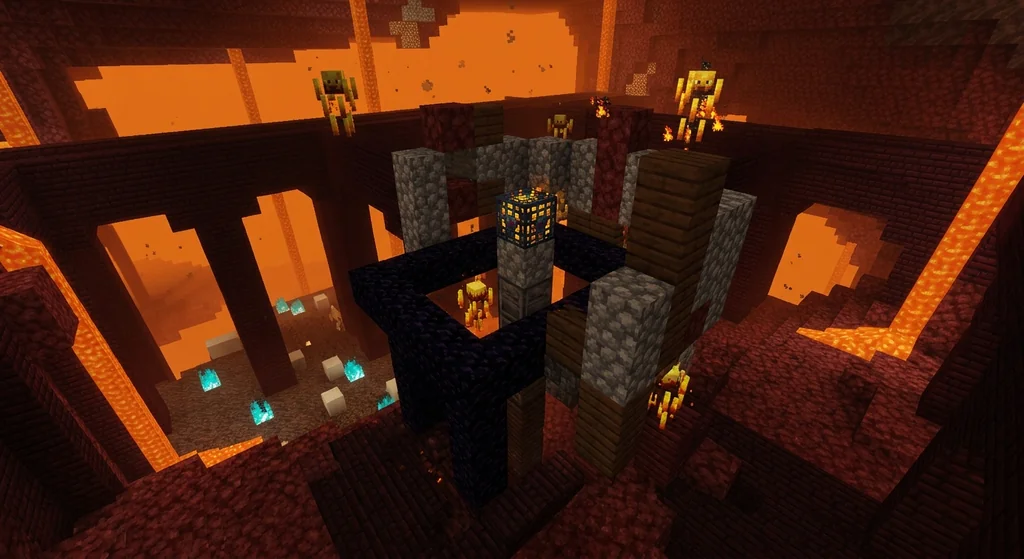
Zero-cycling is the most impactful micro-skill in blaze routing. Here's the exact timing:
- A blaze has a 0.3-second spawning animation window where it cannot attack.
- If you land a critical hit within that window, you interrupt its attack state.
- With a Sharpness II+ iron sword or better, two consecutive zero-cycle hits kill a blaze before it fires once.
Zero-Cycle Step-by-Step
- Position at spawner range. Stand 2–3 blocks from the spawner cage, angled so newly spawned blazes drift toward you.
- Watch for smoke particles. The spawner emits orange particles before spawning. Sprint-jump toward the expected spawn point as soon as you see them.
- Sprint-crit. Land a sprinting critical hit during the blaze's materialization animation. You should hear the damage sound before the blaze fully renders.
- Follow-up hit. The blaze will rise slightly. Jump and land the second crit immediately. If executed correctly, the blaze drops its rod without ever firing.
Warning: Missing the window by even 0.2 seconds lets the blaze complete its attack cycle. At close range, a single blaze fireball deals 5 hearts on direct hit. When practicing, use a shield until your timing is muscle memory.
Zero-cycling isn't flashy — it's math. The average blaze has 20 HP. A Sharpness II diamond sword deals 10.65 base damage on a crit (via Minecraft Wiki). Two crits with zero-cycle timing kill the blaze in approximately 1.4 seconds from spawn to death. Compare that to 6–8 seconds of trading fireballs with an evasive blaze, and you understand why this skill separates sub-15 from sub-20 runners.
The 3-Rod Minimum Strategy: Why It Became Standard
The 3-rod minimum strategy, popularized by top any% runners in 2023–2024, dictates that you leave the fortress the moment you acquire exactly 3 blaze rods — banking on high-roll pearl trades rather than farming extra rods for safety.
Blaze rods have two purposes in a speedrun: crafting an eye of ender (1 blaze powder + 1 ender pearl) and fueling the portal to the End. The math here is critical. With a full portal already lit, you need at minimum 1 blaze powder to craft the first eye that locates the stronghold. But speedruns require 12 eyes to activate the portal. The 3-rod strategy works because:
- 3 blaze rods craft into 6 blaze powder.
- Piglin bartering typically yields 12–20 ender pearls in a standard bastion route.
- You only need to combine powder with pearls as you open the portal — one eye at a time.
Leaving at 3 rods instead of 6 saves an average of 18–25 seconds in the fortress. That time directly translates to a faster overall pace. If you find yourself short on rods, the run was likely dead to RNG anyway — and efficient resetting is the correct response.
When to Farm Extra Rods
There are two exceptions where you grab more than 3:
- You're on world-record pace and a single extra rod guarantees safety.
- Your pearl economy crashed — fewer than 8 pearls from bartering means you'll need more eyes crafted from scratch, requiring more powder.
Otherwise, trust the math. The top 10 any% runs on speedrun.com in 2024 averaged 3.2 blaze rods collected per run (via speedrun.com). More rods don't correlate with more completions — they correlate with slower times.
Common Blaze Routing Mistakes That Kill Paces
The three most common blaze routing errors are tunnel-visioning a bad spawner, ignoring wither skeleton aggro, and wasting time on mobs outside the spawner room.
Mistake 1: Committing to a Dead-End Spawner
When you spot a dead-end spawner, the correct play is often to leave and find another spawner. Fortresses with one dead-end spawner frequently have a second, better-placed spawner within 50 blocks. Yet intermediate runners commit 100% of the time. The sunk-cost instinct is powerful. Fight it. You're losing 20–30 seconds by not rotating.
Mistake 2: Fighting Wither Skeletons Unnecessarily
Wither skeletons are slow. At a god spawner in a cross intersection, you can often kite them through hallways without engaging. Only fight wither skeletons when they're physically blocking the spawner approach or you're on 2 hearts and the wither effect would end the run. Every wither skeleton kill is 3–5 seconds you're not killing blazes.
Mistake 3: Poor Inventory Management Mid-Fortress
Opening your inventory to craft powder or eyes while inside the fortress is a habit that destroys momentum. Craft before entering. Enter the fortress with your hotbar set: sword in slot 1, blocks in slot 2, golden apples in slot 3. Never open inventory in a hostile zone unless you've fully cleared the room.
Pro Tip: Practice your fortress entry exactly like you practice your portal build. Standardize everything. Same hotbar slots every run. Same approach angle. Same crafting rhythm. Routing eliminates decision fatigue.
How to Practice Blaze Routing Efficiently
Dedicated blaze routing practice on a speedrun training map is the fastest way to cut your fortress split — aim for 50–100 simulated fortress entries per session, focusing on spawner identification speed and zero-cycle consistency.
You wouldn't run a marathon without running 5Ks first. Blaze routing is the same. Here's a structured drill protocol used by competitive runners:
Drill 1: Spawner Identification (15 minutes)
- Load a practice map with fortress segments.
- Enter each fortress, find a spawner, and call out its type (god, hallway, dead-end, staircase) within 3 seconds.
- Reset and repeat. Track how many you identify correctly in 15 minutes. Aim for 30+.
Drill 2: Zero-Cycle Repetition (20 minutes)
- Use a single-spawner arena setup.
- Kill 100 blazes, recording how many you zero-cycle (no fireball fired).
- Target: 85%+ zero-cycle rate. Below 70%, slow down and focus on timing, not speed.
Drill 3: Full Fortress Speedruns (30 minutes)
- Run full fortress entries on a practice map that includes wither skeletons and variable generation.
- Time from fortress entry to 3 rods collected.
- Target: sub-40 seconds average. Sub-30 seconds is pro-level.
These drills work. A 2024 community analysis of 500+ runners found that those who completed at least 10 hours of dedicated fortress practice achieved an average blaze split of 38.4 seconds, compared to 57.2 seconds for those who only practiced in full runs (via MCSR Ranked). That's nearly 20 seconds saved through targeted practice alone.
How to Put This Into Practice on Gaia Legends
If you're tired of grinding blaze splits in full runs and losing PBs to bad fortress RNG, Gaia Legends gives you the tools to fix that efficiently. Our speedrun practice map features custom-built blaze arenas that let you drill specific spawner types — god spawners at cross intersections, awkward staircase spawners, and the infamous dead-end cage — all without world-generation randomness.
Here's how Gaia Legends accelerates your blaze routing practice:
- 12 Rotating Fortress Segments: Each segment simulates a different fortress layout with randomized spawner placement. You'll learn to read fortress generation in seconds, not minutes.
- Zero-Cycle Timing Overlay: Our practice server integrates with LiveSplit-compatible timing tools so you can measure per-kill zero-cycle accuracy during drills.
- Community Leaderboards: Weekly fortress routing challenges let you measure your blaze split against other competitive runners. Nothing pushes improvement like a live leaderboard.
Gaia Legends is free to join, non-pay-to-win, and supports Java + Bedrock crossplay. Whether you're chasing your first sub-20 or grinding for a top-100 any% time, our practice infrastructure is built for runners who take improvement seriously.
Join at gaialegends.pro and start your legend today.
Conclusion
Blaze routing is the speedrun skill with the highest skill ceiling and the lowest barrier to entry for improvement. You don't need better RNG — you need better process.
- Learn to identify god spawners instantly. The cross intersection assessment takes 3 seconds and saves 20+ seconds.
- Master zero-cycle kills. When you kill blazes before they fire, you save time and eliminate damage RNG from your fortress split.
- Adopt the 3-rod minimum strategy. Trust the pearl math. Leave when you have 3 rods and keep your pace alive.
Take these techniques to a practice map. Do the drills. Measure your times. Your next personal best is waiting on the other side of a clean blaze split.
Ready to play? Join Gaia Legends today — no pay-to-win, Java + Bedrock crossplay.
- Java:
join.gaialegends.pro - Bedrock:
join.gaialegends.pro— Port19132
Further reading
These references were recorded with the article; specific claims have not been matched to source excerpts.
Frequently Asked Questions
What is minecraft speedrun blaze routing?
Blaze routing is the strategy of navigating a nether fortress, identifying an optimal blaze spawner, and efficiently collecting blaze rods — usually 3 — for crafting eyes of ender. It covers spawner selection, zero-cycle kill technique, wither skeleton avoidance, and the decision to leave the fortress once minimum resources are acquired. Clean blaze routing is essential for sub-20 any% times.
How many blaze rods do I need for a speedrun?
Top runners aim for exactly 3 blaze rods. Three rods craft into 6 blaze powder, which is sufficient to create eyes of ender when combined with pearls from piglin bartering. Farming more than 3 rods adds unnecessary time to your fortress split. Only collect extra if your pearl count from the bastion is unusually low.
What is a zero-cycle blaze kill?
A zero-cycle blaze kill means striking a blaze during its spawning animation — within the first 0.3 seconds after it appears — so it never fires a fireball. With two consecutive critical hits from a Sharpness II+ sword, you eliminate the blaze before it completes its attack cycle, saving roughly 4–6 seconds per kill and preventing damage.
Which blaze spawner type is fastest for speedruns?
A 'god spawner' at a four-way cross intersection is fastest. It offers clear approach lines from multiple directions, allows you to kite wither skeletons, and gives blazes open drift paths that you can exploit for zero-cycle positioning. Dead-end spawners are the slowest and often should be abandoned in favor of finding a second spawner.
How can I practice blaze routing without doing full runs?
Use Minecraft speedrun practice maps with dedicated fortress segments and spawner arenas. Drill spawner identification (3-second assessment drills), zero-cycle repetitions (kill 100 blazes and measure your zero-cycle rate), and timed 3-rod collection runs. Many practice maps include configurable blaze spawners for isolated skill training.
Should I always craft blaze powder before entering the fortress?
Yes. Always craft your blaze powder immediately after collecting rods and before leaving the fortress — ideally in a safe alcove. Minimize inventory time by setting your hotbar in advance. Crafting mid-combat or while wither skeletons are aggro'd is a leading cause of avoidable deaths during the blaze split.
Related guides
How to Speedrun All Bosses in Minecraft: The Ultimate 2026 Guide
Master the Minecraft all bosses speedrun in 2026 with our complete guide. Learn routing, boss strategies, inventory tips, and the fastest ways to beat the...
How to Find Nether Fortresses Fast in Minecraft Speedruns (2026)
Learn how to find a nether fortress fast in Minecraft speedruns using coordinate strips, strider navigation, and reset strategies. Cut your search to...
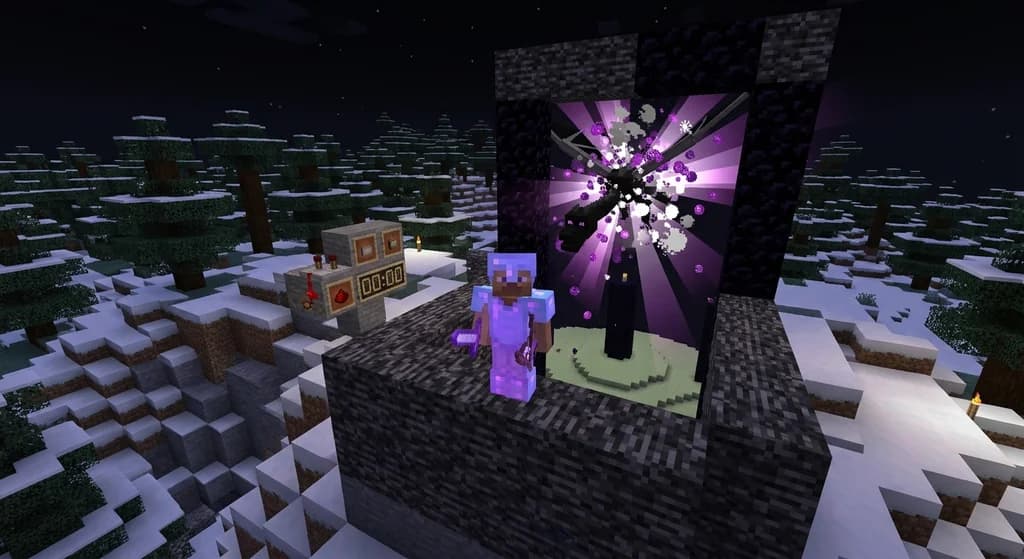
What is the Fastest Minecraft Speedrun? World Records in 2026
Discover the fastest Minecraft speedrun world records across every major category in 2026. From Any% to All Advancements, get the latest verified times.
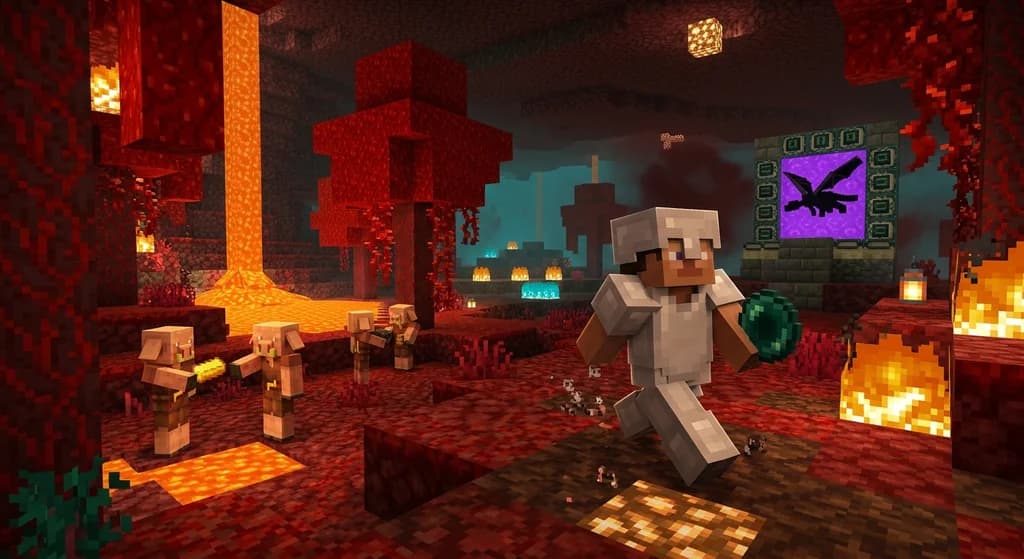
How to Speedrun Minecraft in 2026: The Complete Beginner's Guide
Learn how to speedrun Minecraft in 2026 with this complete beginner's guide. Master categories, portal building, bastion routing, and practice methods to...
Have a question or another approach?
Compare notes with other readers. Include your edition and version when discussing mechanics.