Dirt Paths: A Useful Block for Minecraft Pathways
Filed under Minecraft Build Palette & Block Harmony · How we create content
Version scope: Java & Bedrock Edition
Key Takeaways
| Point | Details |
|---|---|
| Dirt paths are made | Dirt paths are made by using a shovel on dirt, grass, coarse dirt, mycelium, podzol, or rooted dirt – costs one durability. |
| They generate naturally in | They generate naturally in village pathways and abandoned camp structures. |
| At only 15/16 of | At only 15/16 of a block tall, they block light through their full faces but let light pass through gaps – a directional opacity feature. |
| Dirt paths prevent hostile | Dirt paths prevent hostile mobs from spawning on them. |
| In Bedrock Edition, villagers | In Bedrock Edition, villagers and iron golems prefer walking on dirt paths over other blocks. |
| Using a hoe on | Using a hoe on a dirt path converts it to farmland, making it a useful intermediate step for tilling podzol or mycelium. |
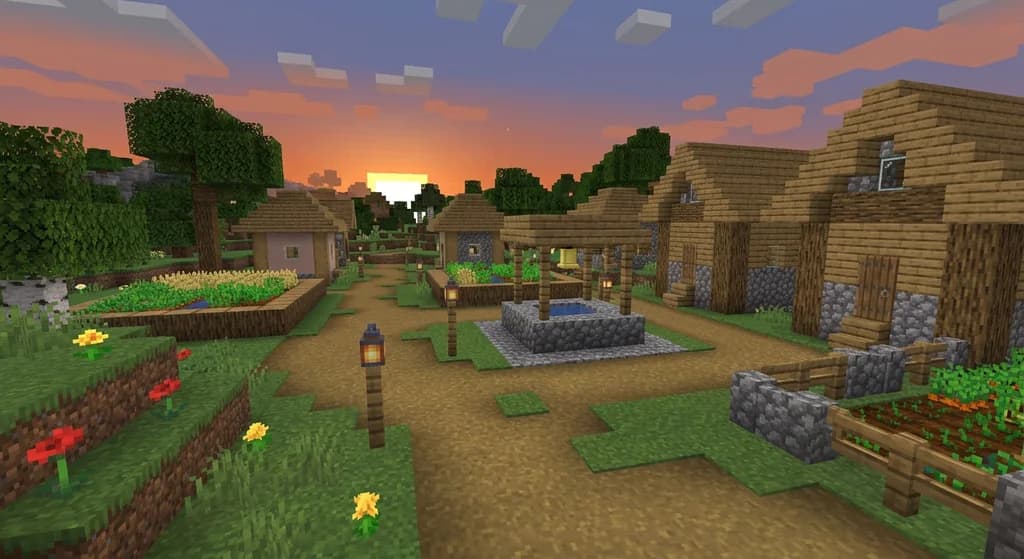
Dirt paths (originally called grass paths) are one of the most versatile decorative blocks for adding texture to your builds. They're naturally found in villages, easy to create, and have some surprising mechanical benefits. Let's break down what you need to know.
How to Create Dirt Paths
Dirt paths are created by using any shovel on the side or top of certain dirt-type blocks. The shovel uses one durability each time. As the official wiki states:
Dirt paths can be created by using any type of shovel on the side or top of dirt, grass block, coarse dirt, mycelium, podzol, or rooted dirt that has air above it. Dirt paths can be created by using any type of shovel on the side or top of dirt, grass block, coarse dirt, mycelium, podzol, or rooted dirt that has air above it.
This means you can turn any of these blocks into a path instantly – a great way to add worn paths around your base or connect buildings.
Where Dirt Paths Generate Naturally
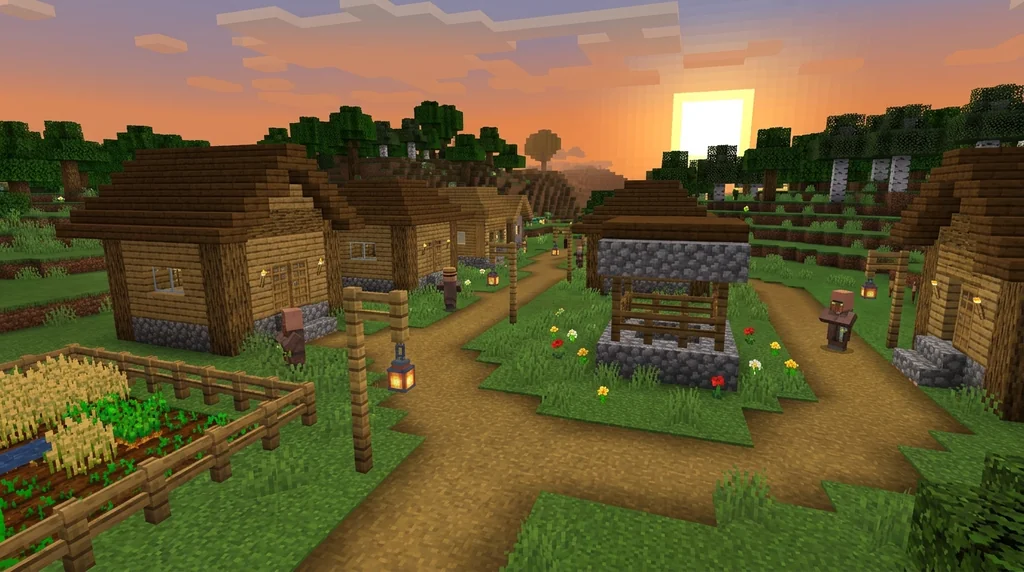
You've almost certainly seen dirt paths in villages. They replace grass blocks in village pathways, creating routes that connect houses and structures. The wiki explains:
Dirt paths are naturally generated in villages when pathways replace grass blocks. Dirt paths are naturally generated in villages when pathways replace grass blocks.
Their purpose is aesthetics, and additionally in Bedrock Edition, pathfinding for villagers. Their purpose is aesthetics, and additionally in Bedrock Edition, pathfinding for villagers.
Beyond villages, dirt paths also appear as part of abandoned camps, adding to the rustic, lived-in feel of those structures.
Key Properties You Should Know
Height and Light Behavior
Dirt paths are only 15/16 of a block high. This means you can't place torches or buttons directly on top of them – you need a full block underneath. However, this height gives them a directional opacity feature. Since snapshot 18w46a, blocks like grass paths (now dirt paths) have their full-block faces block light, while their non-full faces let light through. This can be used for subtle lighting tricks.
Mob Prevention
One of the most practical uses: dirt paths prevent hostile mobs from spawning on them. This makes them a safe surface for paths near your base or mob-proofing areas.
Converting to Farmland
Using a hoe on a dirt path turns it into farmland. This is especially useful because you can create a dirt path from podzol or mycelium (which can't be tilled directly) and then hoe it to get farmland. The wiki confirms:
Since dirt paths can be created with any variant of dirt, it can be used as an intermediate step to convert podzol and mycelium, which cannot be tilled directly, into farmland. Since dirt paths can be created with any variant of dirt, it can be used as an intermediate step to convert podzol and mycelium, which cannot be tilled directly, into farmland.
Pathfinding Preference (Bedrock Edition)
In Bedrock Edition, villagers and iron golems prefer walking on dirt paths over any other block. This can help guide villager movement in your village designs.
Breaking and Obtaining
A shovel is the most efficient tool. In Java Edition, dirt paths always drop dirt when broken – you can't pick them up without Silk Touch or commands. In Bedrock Edition, Silk Touch works to get the block directly.
In Bedrock Edition, a dirt path block can be directly obtained in item form with a Silk Touch tool. In Bedrock Edition, a dirt path block can be directly obtained in item form with a Silk Touch tool.
In Java Edition, dirt paths always drop dirt when broken. In Java Edition, dirt paths always drop dirt when broken.
Creative Ideas for Using Dirt Paths
- Pathways: Combine dirt paths with gravel, cobblestone, or slabs for varied textures. They pair well with bridges and garden builds – check out the How to Build a Minecraft Bridge with 5 Block Palettes (2026) for palette inspiration.
- Farmland prep: Use dirt paths as a step between podzol/mycelium and farmland.
- Village restoration: Replace grass paths in villages with dirt paths to restore the original look.
- Mob-proof flooring: Lay dirt paths around your base to prevent spawns while keeping a natural look.
Trivia
The idea for dirt paths originally came from a community suggestion on Reddit, a nice example of player feedback shaping the game.
Quick reference: Dirt paths are simple to make, full of hidden utility, and a staple for any builder looking to add grounded detail to their world.
Sources
- Dirt paths can be created by using any type of shovel on the side or top of dirt, grass block, coarse dirt, mycelium, podzol, or rooted dirt that has air above it. — Dirt Path
- Dirt paths are naturally generated in villages when pathways replace grass blocks. — Dirt Path
- Their purpose is aesthetics, and additionally in Bedrock Edition, pathfinding for villagers. — Dirt Path
- Since dirt paths can be created with any variant of dirt, it can be used as an intermediate step to convert podzol and mycelium, which cannot be tilled directly, into farmland. — Dirt Path
- In Bedrock Edition, a dirt path block can be directly obtained in item form with a Silk Touch tool. — Dirt Path
- In Java Edition, dirt paths always drop dirt when broken. — Dirt Path
Frequently Asked Questions
How do you make a dirt path in Minecraft?
Use any shovel on the side or top of dirt, grass block, coarse dirt, mycelium, podzol, or rooted dirt that has air above it. The shovel loses one durability, and the block becomes a dirt path.
Can dirt paths stop mobs from spawning?
Yes. Dirt paths prevent hostile mobs from spawning on them, making them a safe surface for pathways near your base.
Why can't I place torches on a dirt path?
Dirt paths are only 15/16 of a block high, so they are not a full block. Items that require a full block, like torches and buttons, cannot be placed on them.
Can you pick up a dirt path block?
In Bedrock Edition, yes, with a Silk Touch shovel. In Java Edition, dirt paths always drop dirt when broken, so you can only obtain the block via commands or Creative mode.
Do villagers prefer walking on dirt paths?
In Bedrock Edition only, villagers and iron golems prefer using dirt paths over any other block, which can help guide their movement.
Related guides
Understanding Copper Oxidation in Minecraft
Learn how copper blocks oxidize in Minecraft from raw orange to weathered green. A quick reference covering stages, waxing, and building with weathered copper.
Using Minecraft: Guide to Creative for Building Tips
Learn how to use Minecraft: Guide to Creative for block palette inspiration and building tips. Discover tutorials, community builds, and color harmony techniques.
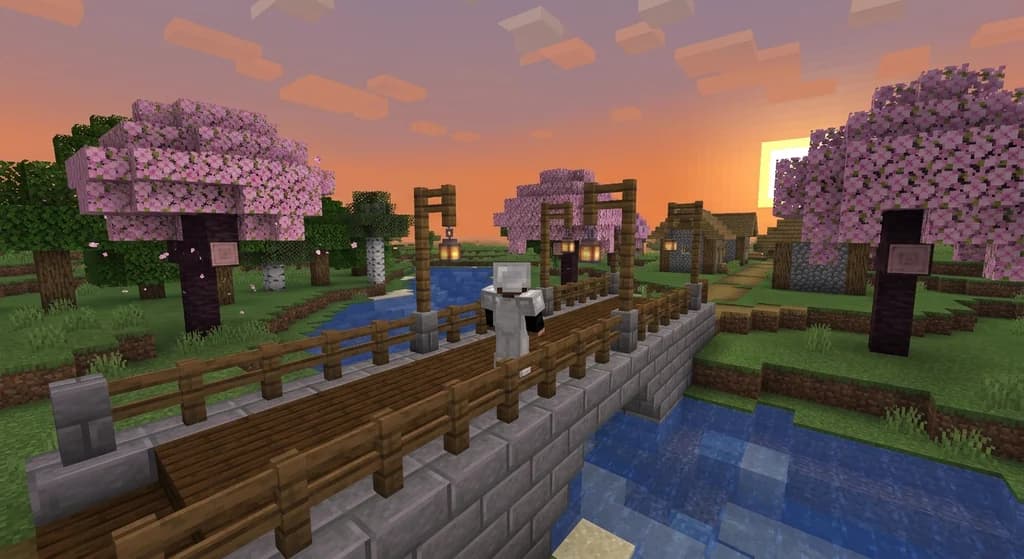
How to Build a Minecraft Bridge with 5 Block Palettes (2026)
Discover 5 stunning block palettes for Minecraft bridges in 2026. From rustic wood to nether luxury, learn how to pick blocks and build a pretty bridge...
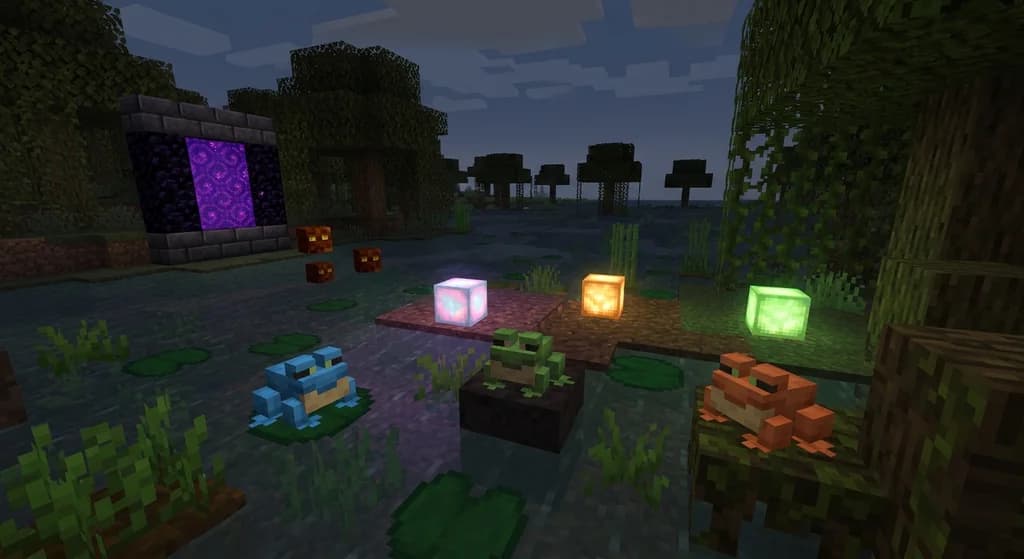
Froglight Block Guide: Properties, Colors, and Build Suggestions
Discover the three froglight colors in Minecraft — pearlescent, verdant, and ochre. Learn how to get them, their unique properties, and creative build ideas for your next project.
Have a question or another approach?
Compare notes with other readers. Include your edition and version when discussing mechanics.