What Is a Minecraft Mod? Community vs Official Definitions
Filed under Minecraft Server Guides & Reviews · How we create content
Version scope: Java and Bedrock Editions
Key Takeaways
| Point | Details |
|---|---|
| The Minecraft community defines | The Minecraft community defines a mod as unofficial code requiring third-party mod loaders, distinct from data packs, resource packs, and add-ons. |
| Mojang Studios occasionally uses | Mojang Studios occasionally uses 'mod' and 'modding' as umbrella terms for official customization features like add-ons and data packs. |
| This split between strict | This split between strict community usage and broader official usage can cause confusion among players and content creators. |
| Java Edition officially tracks | Java Edition officially tracks 'modded' state via a modded flag when running with a custom client brand or invalidated signature. |
| Bedrock Edition relies on | Bedrock Edition relies on add-ons and Marketplace content for user customization, which Mojang sometimes calls 'modding' in documentation. |
| Understanding the difference helps players choose the right tools | mod loaders for deep changes in Java, data packs/add-ons for vanilla-plus tweaks in both editions. |
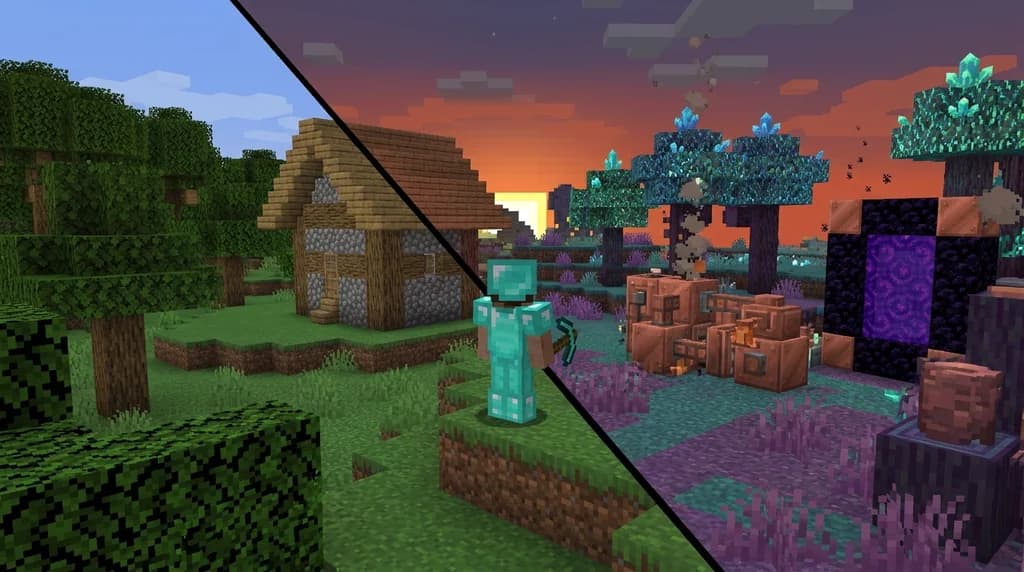
If you've ever searched for Minecraft mods or tried explaining them to a friend, you might have noticed something confusing: everyone seems to use the word "mod" a little differently. The Minecraft community, Mojang Studios, and the broader gaming industry all have their own definitions. This article unpacks those differences so you know exactly what is and isn't a mod — and why it matters for your gameplay.
The Strict Community Definition: Unofficial Modifications
Within the Minecraft community, the term "mod" has a specific, narrow meaning. As the official Minecraft Wiki explains:
Within the Minecraft community, the term is conventionally used in a strict sense to refer to unofficial, community-made code alterations that require third-party mod loaders.
A mod (short for modification) is fundamentally a piece of unofficial code that changes the game's behavior. Mods require third-party mod loaders like Forge, Fabric, NeoForge, or Quilt to run. Under the community definition, mods are explicitly distinct from officially supported customization features.
Under this definition, "mods" are distinct from officially supported game customization features, such as data packs, resource packs, and add-ons.
This distinction matters because Minecraft has multiple official ways to customize the game: data packs (Java Edition), resource packs, behavior packs, and add-ons (Bedrock Edition). The community reserves mod for the deeper, code-level changes that go beyond what those APIs allow.
How Mojang Studios and the Industry Use the Term
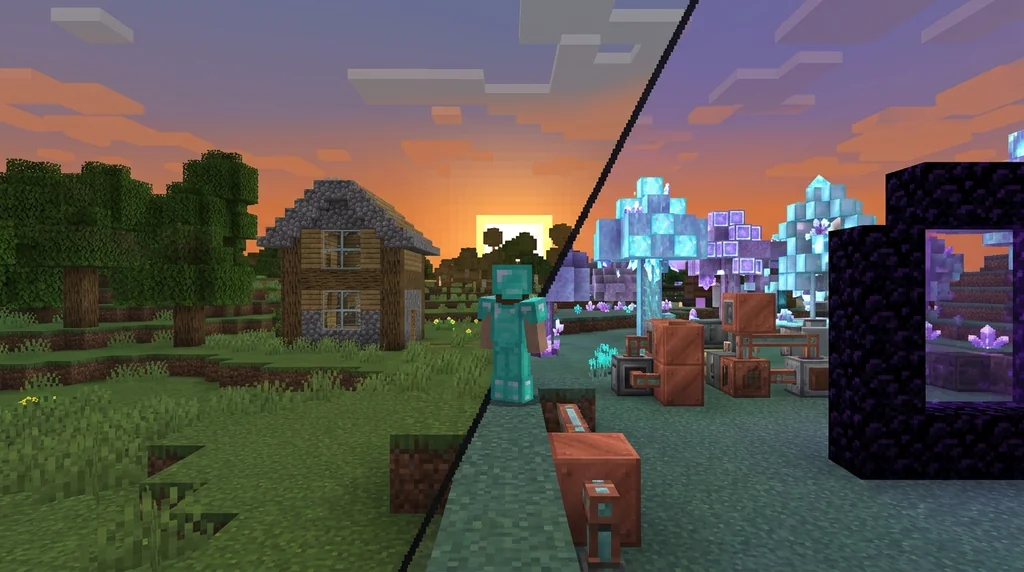
In the broader video game industry, "mod" is often an umbrella term for any user-created content that alters a game. Mojang itself sometimes follows this broader usage in official marketing and documentation, which can create ambiguity.
Despite this distinction, Mojang Studios occasionally uses the terms "mod" and "modding" more broadly in official marketing and documentation to include official features.
For example, Minecraft.net's Creator homepage refers to the use of add-ons as a way to "mod Minecraft". In another instance, official promotional material described a data pack and resource pack combination called Phantom Frames as a "Java mod". This is in direct contrast to the community convention, where those would be called data packs or resource packs, not mods.
For example, the official Minecraft.net's Creator homepage refers to the use of add-ons as a way to "mod Minecraft".
This varying usage between the community, the broader gaming industry, and Mojang Studios themselves can lead to confusion. A player looking for "mods" in Bedrock Edition might end up in the Marketplace buying add-ons, which behave very differently from Java Edition mods.
Why the Definition Matters for Players and Creators
The distinction isn't just semantic — it affects how you install content, what performance changes to expect, and whether you can play with friends.
Java Edition: The Modded Flag
Java Edition has a technical way to detect whether the game is modded. The game's code considers a session as "modded" if the client is running with a custom client brand or an invalidated signature file (usually from a modified Java class). This modded flag can affect multiplayer server compatibility and achievement tracking.
Bedrock Edition: Official Customization Only
Bedrock Edition does not support third-party code injection in the same way. The official customization path is through add-ons, which are created using behavior packs and resource packs. Bedrock add-ons can add new blocks, entities, and behaviors — but they operate within a permissioned API. Mojang markets these as "modding" tools, but they lack the unrestricted power of Java Edition mods. A Bedrock player cannot install a Java-style mod without using unofficial launchers that often violate the EULA.
Data Packs: The Java Middle Ground
Data packs, introduced in Minecraft 1.13, are officially supported JSON-based content packs that can alter recipes, loot tables, advancements, functions, and world generation. While the community does not call them mods, data packs can achieve impressive results without needing a mod loader. However, they are limited to what Mojang exposes in the command system. True mods can modify core game code, add custom java classes, and change fundamental mechanics.
In the broader video game industry, the term "mod" is often used as an umbrella term for any user-created content that alters a game's look or behavior.
Comparison: Community Definition vs Official Usage
| Aspect | Community Definition | Mojang/Official Usage |
|---|---|---|
| Core meaning | Unofficial code injected via third-party loaders | Any user-created content altering the game |
| Includes add-ons? | No | Yes (e.g., "mod Minecraft with add-ons") |
| Includes data packs? | No | Sometimes (e.g., Phantom Frames called a "Java mod") |
| Includes resource packs? | No | Sometimes (as part of a pack) |
| Requires mod loader? | Yes (Forge, Fabric, etc.) | Not necessarily |
| Can modify game code? | Yes (full access) | No (limited to official APIs) |
| Applied to Bedrock? | Not applicable (no third-party code) | Yes (add-ons, Marketplace) |
Navigating the Ambiguity
Because multiple definitions coexist, it's important to know which one a source uses. When searching for mods, pay attention to the edition (Java vs Bedrock) and the platform (community forums vs official channels). If you're looking to deeply alter gameplay with new dimensions, custom machines, or fundamentally different mechanics, you want Java Edition mods. If you prefer simpler, vanilla-friendly tweaks with official support, data packs (Java) or add-ons (Bedrock) are the way to go. Both approaches have vibrant communities and can transform your experience — the key is understanding the tool.
Because Minecraft is a unique case that supports both unofficial modification and official modification APIs simultaneously, the community generally maintains a practical distinction to avoid confusion between the two methods.
Thankfully, most community resources are clear about the distinction. The Minecraft Forum, wiki, and mod hosting sites like CurseForge and Modrinth all use the strict definition, listing only third-party code as mods. If you're ever unsure, check whether the content requires a mod loader or can be dropped into the datapacks or resourcepacks folder.
For a deeper look at one official customization method, see our guide on How Data Packs Work in Minecraft: Setup and Installation. And if you're considering a private server with official hosting, Minecraft Realms: A Quick Reference for Private Server Play explains subscription options.
Frequently Asked Questions
Why does Mojang call add-ons "mods" if they're not true mods? Mojang uses the term broadly because it's familiar to players and aligns with industry usage. The official website promotes add-ons as a way to "mod Minecraft" even though they don't require a mod loader.
Can you use Java Edition mods on Bedrock Edition? No. Java and Bedrock have completely different codebases. Mods designed for Java Edition cannot run on Bedrock, and vice versa. Bedrock uses add-ons, which are cross-platform but less powerful.
Are data packs considered mods? Under the community definition, no — they are officially supported customization. However, some official Mojang materials have referred to data pack + resource pack combinations as "mods", causing occasional confusion.
Does using mods disable achievements in Minecraft? In Java Edition, achievements (advancements) can still be earned with mods, but many modded clients set the modded flag, which may cause some servers to block the player. Bedrock Edition add-ons do not affect achievements unless the world is marked as custom.
What is the difference between a mod loader and a mod?
A mod loader is a tool (like Forge or Fabric) that allows multiple mods to run together without conflicts. The mods themselves are the content packages. You must install a mod loader first, then add mods into the mods folder.
Sources
- Within the Minecraft community, the term is conventionally used in a strict sense to refer to unofficial, community-made code alterations that require third-party mod loaders. — Mod
- Under this definition, "mods" are distinct from officially supported game customization features, such as data packs, resource packs, and add-ons. — Mod
- Despite this distinction, Mojang Studios occasionally uses the terms "mod" and "modding" more broadly in official marketing and documentation to include official features. — Mod
- For example, the official Minecraft.net's Creator homepage refers to the use of add-ons as a way to "mod Minecraft". — Mod
- In the broader video game industry, the term "mod" is often used as an umbrella term for any user-created content that alters a game's look or behavior. — Mod
- Because Minecraft is a unique case that supports both unofficial modification and official modification APIs simultaneously, the community generally maintains a practical distinction to avoid confusion between the two methods. — Mod
Frequently Asked Questions
Why does Mojang call add-ons 'mods' if they're not true mods?
Mojang uses the term broadly because it's familiar to players and aligns with industry usage. The official website promotes add-ons as a way to 'mod Minecraft' even though they don't require a mod loader.
Can you use Java Edition mods on Bedrock Edition?
No. Java and Bedrock have completely different codebases. Mods designed for Java Edition cannot run on Bedrock, and vice versa. Bedrock uses add-ons, which are cross-platform but less powerful.
Are data packs considered mods?
Under the community definition, no — they are officially supported customization. However, some official Mojang materials have referred to data pack + resource pack combinations as 'mods', causing occasional confusion.
Does using mods disable achievements in Minecraft?
In Java Edition, achievements (advancements) can still be earned with mods, but many modded clients set the modded flag, which may cause some servers to block the player. Bedrock Edition add-ons do not affect achievements unless the world is marked as custom.
What is the difference between a mod loader and a mod?
A mod loader is a tool (like Forge or Fabric) that allows multiple mods to run together without conflicts. The mods themselves are the content packages. You must install a mod loader first, then add mods into the 'mods' folder.
Related guides
How Data Packs Work in Minecraft: Setup and Installation
Learn what data packs are, how to install them in Minecraft Java Edition 1.13+, and how to manage load order, reloading, and safe mode. A quick reference guide.
How to Set Up a Minecraft Server Using the Official Server.jar
Learn how to download and set up the official Minecraft server.jar for Java Edition. This quick reference covers EULA acceptance, first-run setup, and CLI vs GUI management.
Java Realms Content Creator Program Categories Overview
Compare the five Java Realms map categories and choose where your creation fits before submitting it for review.
Official Minecraft Live Events: What They Are and How to Join
Learn what official Minecraft Live Events are, how to join them in Bedrock Edition, and what to expect inside these limited-time multiplayer servers...
Have a question or another approach?
Compare notes with other readers. Include your edition and version when discussing mechanics.