100 Days Hardcore Minecraft: The Ultimate 2026 Survival Roadmap
Filed under Hardcore Survival & Permadeath · How we create content
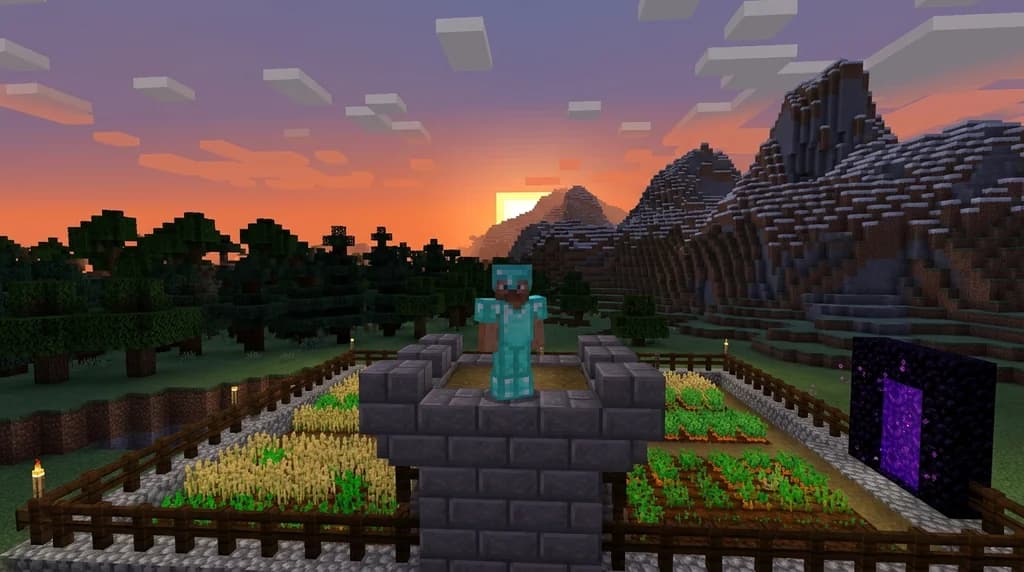
Key Takeaways
| Point | Details |
|---|---|
| Early shelter is non-negotiable | Build or find a safe base before your first night — a creeper explosion on Day 1 ends runs that should last weeks. |
| Iron before anything else | Rush iron armor and tools in the first 7 days; leather and wood gear will get you killed in mid-game caves. |
| Phase your goals | Divide 100 days into five clear phases (Days 1–10, 11–20, 21–40, 41–70, 71–100) so you always have a concrete next objective. |
| The Nether is a turning point | Entering the Nether before Day 25 unlocks blazes, gold, and Nether fortresses — resources that define your late-game power. |
| Never skip enchanting | A full set of Protection IV diamond armor before Day 60 dramatically reduces the chance of a one-shot death from endgame mobs. |
| Respect permadeath psychology | Hardcore players who pause and plan before every major decision survive longer than those who rush — slow down to stay alive. |
Table of Contents
- What Is the 100 Days Hardcore Minecraft Challenge?
- How to Survive Days 1–10: The Critical Foundation
- How to Progress Through Days 11–40: Iron to Diamond
- Best Milestones to Hit Before Day 70
- Tips for Surviving Days 71–100: The Endgame Push
- Top 5 Mistakes That Kill Hardcore Runs Early
- How to Put This Into Practice on Gaia Legends
- Conclusion
- Frequently Asked Questions
- Recommended
Most hardcore runs don't end at the Ender Dragon. They end on Day 4, in a dark cave, because someone forgot a torch. The 100 days Minecraft hardcore challenge is brutally unforgiving — and that's exactly what makes it the most rewarding thing you can do in this game. One world, one life, one hundred days. This roadmap gives you a phase-by-phase plan so you spend less time panicking and more time thriving.
What Is the 100 Days Hardcore Minecraft Challenge?
Hardcore mode in Minecraft is a locked difficulty setting — always set to Hard — where death is permanent. Your world is deleted the moment you die, with no respawning and no second chances. The "100 days" format, popularized by content creators, adds a structured goal: survive for 100 in-game days (each day lasts 20 real-world minutes) and document your progress.
A full 100-day run equals 2,000 real-world minutes of uninterrupted survival — roughly 33 hours of gameplay. That's not a casual weekend session. It's a commitment that rewards planning, patience, and respect for the game's systems.
Note: In Hardcore mode, the difficulty is permanently locked to Hard. You cannot change it mid-world. Hunger drains faster, mobs deal more damage, and you cannot lower the stakes once you start.
How to Survive Days 1–10: The Critical Foundation
The first ten days determine whether your run lives or dies. Every minute matters.
Days 1–3: Wood, Stone, and Shelter
Your first priority is a crafting table, then a wooden pickaxe, then stone tools as fast as possible. Don't spend time building a beautiful house — build a functional one. A dirt hut with a door is better than a half-finished stone cottage when the sun goes down.
- Punch trees immediately — collect at least 20 wood logs.
- Craft a crafting table, wooden pickaxe, and wooden sword.
- Mine 20+ cobblestone to upgrade all tools to stone.
- Find sheep and craft a bed — sleeping through the night skips phantom spawning and resets your spawn point.
- Build or find shelter before dark on Day 1. No exceptions.
Warning: Skipping the bed on your first night is one of the most common early-run killers. Phantoms begin spawning after 3 in-game days without sleep, and their dive attacks can knock you off cliffs or into lava without warning.
Days 4–7: The Iron Rush
Iron is your survival insurance. Stone tools break too fast in caves, and leather armor won't save you from a skeleton.
- Mine until you have at least 24 iron ingots: enough for a full set of iron armor plus an iron pickaxe and sword.
- Smelt everything in a double furnace setup to save fuel.
- Light every cave tunnel as you go — unlit caves spawn mobs behind you.
Days 8–10: Food Security
Starvation kills more new hardcore players than mobs do. By Day 10 you need a wheat farm (minimum 9×9) and a bread supply of 20+ loaves. Breed two cows or pigs for a reliable cooked meat source. Never let your hunger bar drop below 6 shanks — below that, your health won't regenerate.
How to Progress Through Days 11–40: Iron to Diamond
This is the phase where your run either accelerates or stalls. Stay focused.
Days 11–20: Nether Preparation
You need 10 obsidian for a Nether portal. Mine it with a diamond pickaxe — but you don't have diamonds yet. Use the bucket-and-lava method: pour water over a lava source to create obsidian, then mine it with your iron pickaxe. It's slower but it works.
Before entering the Nether, make sure you have:
- Full iron armor (repaired or fresh)
- At least 3 stacks of food
- A bow with 64+ arrows
- Fire Resistance potions if possible (brewed from magma cream)
Pro Tip: Build your Nether portal in a safe, enclosed room inside your base. Ghasts can shoot fireballs through unprotected portals and set your Overworld on fire.
Days 21–40: Diamonds and Enchanting
Diamond ore generates most reliably between Y-levels -58 and -59 in the current ore distribution introduced in Java Edition 1.18. Strip mine at Y=-58 with a Fortune III pickaxe once you have one, and you'll maximize every vein.
Your diamond priority order:
| Item | Why It's First |
|---|---|
| Diamond Pickaxe | Mines obsidian for enchanting table |
| Diamond Sword | Kills mobs reliably in the Nether |
| Diamond Chestplate | Highest single-piece protection value |
| Full Diamond Armor | Complete protection before Day 40 |
Set up your enchanting table surrounded by 15 bookshelves as soon as you have diamonds. According to the Minecraft Wiki, a maximum-level enchanting setup requires exactly 15 bookshelves placed within a 5×5×2 area around the table to unlock Level 30 enchantments.
Best Milestones to Hit Before Day 70
By Day 40 you should have diamond armor. Days 41–70 are about hardening your position and preparing for the Ender Dragon.
The Nether Fortress Run
Blaze rods are mandatory — you need them to brew potions and craft Eyes of Ender for the End portal. Target at least 12 blaze rods (6 for brewing stands and potions, 6 to craft Eyes of Ender). Bring a Fire Resistance potion before fighting blazes; one lava pool misstep ends everything.
Enchanting Your Gear
Priority enchantments before Day 70:
- Protection IV on all four armor pieces
- Sharpness V on your sword
- Feather Falling IV on your boots — fall damage is a top-5 hardcore killer
- Mending on every tool and weapon (trade with librarian villagers)
Villager Trading Hall
A villager trading hall with a Librarian, Fletcher, and Farmer gives you renewable Mending books, infinite arrows, and passive food income. Set this up between Days 50–65. It's not glamorous, but it's what separates 100-day survivors from players who die at Day 75.
Tips for Surviving Days 71–100: The Endgame Push
You're in the home stretch. Don't get cocky — this is when overconfidence kills runs.
Locating the Stronghold
Throw Eyes of Ender one at a time (they have a chance to break on each throw) and triangulate the stronghold location. Bring at least 12 Eyes of Ender: you need up to 12 to fill the End portal frame, and some will break during navigation.
The Ender Dragon Fight
Before entering the End:
- Brew Slow Falling and Strength II potions
- Bring beds (they explode in the End — use them as bombs on the dragon)
- Carry a bow with Infinity and 1 arrow, plus Power V
- Wear your best enchanted diamond or netherite armor
The dragon fight itself has a clear pattern: destroy all End crystals on the obsidian pillars first, then focus DPS on the dragon when it perches on the fountain. Don't rush — one mistake here ends a 90-day run permanently.
Days 91–100: Secure and Celebrate
After the dragon, you're not done — you're just safe enough to breathe. Use the final days to:
- Explore the End Cities for Elytra and shulker boxes
- Max out your enchantments with an anvil and grindstone combo
- Build a monument or trophy room to mark your achievement
Top 5 Mistakes That Kill Hardcore Runs Early
Even experienced players make these errors. Knowing them in advance is your best defense.
- Mining straight down — always staircase mine or use the two-block check method.
- Fighting in lava-adjacent areas — one knockback sends you in permanently.
- Ignoring hunger — never let your hunger bar drop below 6 shanks.
- Skipping beds — phantoms are a death sentence if you're already injured.
- Overextending in the Nether — always mark your portal coordinates before exploring.
How to Put This Into Practice on Gaia Legends
All of this strategy means nothing until you apply it in a real world with real stakes. That's where Gaia Legends comes in.
Gaia Legends hosts Hardcore SMP environments where you can test your 100-day strategy against a living, breathing community. Instead of playing alone, you're sharing a persistent world with other hardcore players — which adds social stakes on top of permadeath stakes. You can watch how other players structure their early game, learn from their mistakes without dying yourself, and get genuine feedback on your base design.
Three Gaia features that directly support your 100-day challenge:
- Server discovery tools that help you find active Hardcore SMP sessions at your skill level
- Community leaderboards that track longest-surviving players, giving you real benchmarks to chase
- Cross-platform crossplay so Java and Bedrock players can share the same hardcore world
Gaia Legends is free to join, non-pay-to-win, and supports Java + Bedrock crossplay. Whether you're attempting your first 100-day run or going for a personal best, the community is there to push you further. Join at gaialegends.pro and start your legend today.
Conclusion
Surviving 100 days Minecraft hardcore isn't luck — it's a system. Here are the three things that matter most:
- Phase your goals: Iron by Day 7, diamond by Day 40, dragon-ready by Day 90.
- Respect the small stuff: Beds, food, torches, and Feather Falling IV save more lives than any weapon enchantment.
- Slow down before big moments: The Nether, strongholds, and the End fight all reward preparation over speed.
You now have the full roadmap. The only thing left is to open a new world, set the difficulty to Hardcore, and start Day 1. Good luck — you're going to need it, and you're going to love it.
Ready to play? Join Gaia Legends today — no pay-to-win, Java + Bedrock crossplay.
- Java:
join.gaialegends.pro - Bedrock:
join.gaialegends.pro— Port19132
Further reading
These references were recorded with the article; specific claims have not been matched to source excerpts.
Frequently Asked Questions
How long does a 100 days Minecraft hardcore run take in real time?
One Minecraft day lasts 20 real-world minutes, so 100 in-game days equals exactly 2,000 minutes — roughly 33 hours of gameplay. Most players spread this across multiple sessions. If you play 2 hours a day, expect your 100-day run to take about 16–17 real-world days to complete, assuming you survive that long.
What is the best seed for a 100 days hardcore challenge?
The best seeds for hardcore starts have a village near spawn (for early food and beds), a nearby ocean or river (for clay and fishing), and accessible caves for early iron. Seeds with desert temples or jungle pyramids close to spawn offer bonus loot. Search current 1.21 seed databases on sites like Chunkbase to find verified coordinates before committing.
What Y level should I mine at in hardcore mode for diamonds?
Diamond ore generates most abundantly around Y=-58 to Y=-59 in Java Edition 1.18 and later. Strip mining at Y=-58 with a Fortune III pickaxe gives you the highest diamond yield per tunnel. Avoid mining at Y=-64 (bedrock level) — the floor limits your reach and increases lava exposure risk significantly.
Can you use beds as weapons in the End during a hardcore run?
Yes — beds explode when you attempt to sleep in the End or the Nether, because those dimensions have no day/night cycle. Hardcore players use this intentionally: place a bed next to the Ender Dragon while it perches on the fountain, stand back, and right-click to trigger the explosion. Bring 5–7 beds and combine this with bow damage for a fast, efficient kill.
What kills most hardcore players — mobs, fall damage, or lava?
All three are major killers, but the proportions shift by experience level. New players most often die to mob swarms in early caves. Intermediate players frequently die to fall damage (especially in the Nether or End). Experienced players tend to die to lava — either from mining accidents or Nether navigation errors. Enchanting Feather Falling IV on your boots and always carrying a water bucket addresses two of the three.
Is it worth playing 100 days hardcore on a server vs. single player?
Both have merits. Single player gives you full control — you can pause, plan, and take your time. Server hardcore (like Hardcore SMP environments on Gaia Legends) adds community stakes: you can trade with other players, learn from watching others, and share the emotional experience of permadeath. For first-timers, single player is safer. Once you're comfortable with the format, server hardcore is far more exciting.
Related guides
How to Survive 100 Days in Hardcore Minecraft: 2026 Pro Guide
Learn how to survive 100 days in hardcore Minecraft with pro 2026 tactics — from day-1 shelter to Nether prep, gear milestones, and permadeath-proof habits.
How to Survive Hardcore Minecraft with No Natural Regeneration (2026 UHC Guide)
Master hardcore Minecraft with no natural regeneration using this 2026 UHC guide. Learn golden apple strategy, armor tactics, and survival tips for...
How to Get an Elytra in Hardcore Minecraft Without Dying (2026)
Learn how to get an elytra in hardcore Minecraft without dying in 2026. Master end city navigation, shulker combat, and permadeath bridging for safe flight.
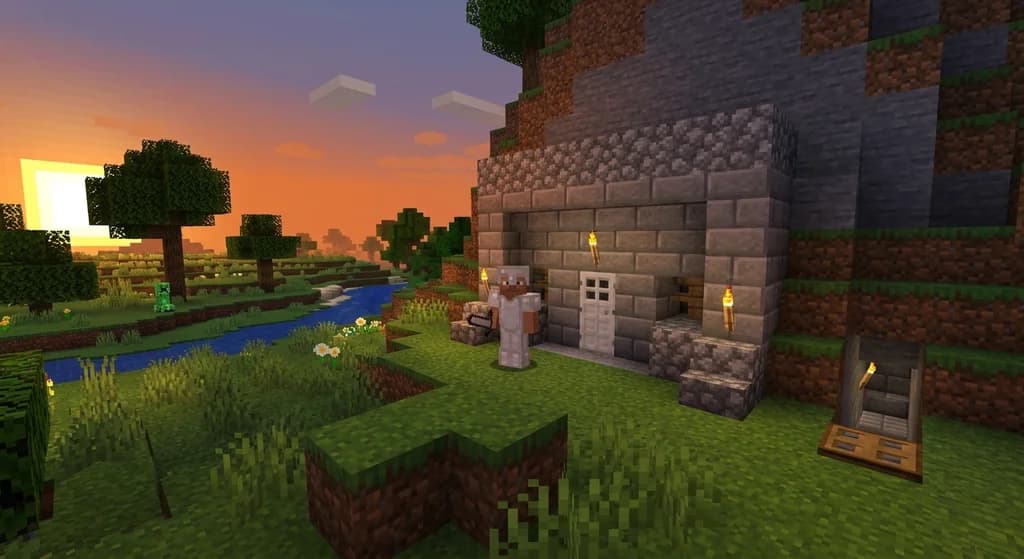
How to Build a Safe House in Hardcore Minecraft (2026 Guide)
Master how to build a safe house in hardcore Minecraft with our 2026 survival guide. Learn base design, blast-proof materials, and escape routes to...
Have a question or another approach?
Compare notes with other readers. Include your edition and version when discussing mechanics.